Sometimes, Patagonia = New Zealand

11 02 2015

In November 2011 I was in Patagonia with my Dutch friends Angelique and Elwin. Witnessing many eye popping scenes, we often pinched ourselves, saying, “This looks like a postcard from New Zealand!” So in 2012 we made plans to go to New Zealand to find out if we were right. By December 2012 and all of January 2013 we were in New Zealand! And in this blog, I’ve got photo comparisons. While there are major differences in terms of sheer size of the territory and size of geologic features, the view often seems nearly identical.

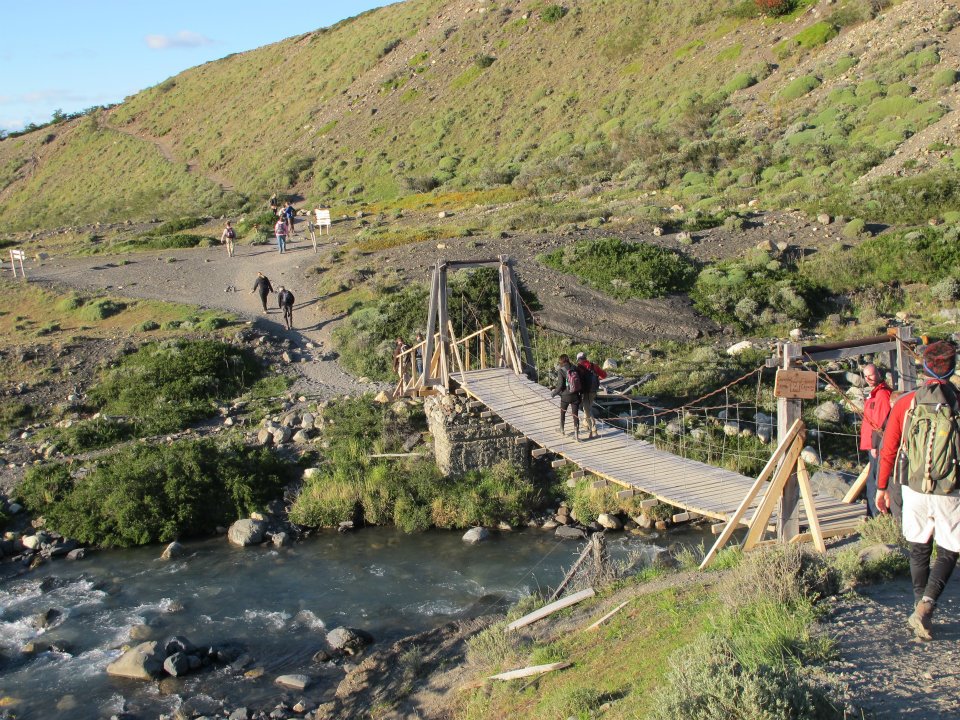
torres del paine,chile,patagonia

Torres del Paine Chile

tasman glacier,mt cook,new zealand

Tasman Glacier Trail New Zealand

Patagonia and New Zealand are full of trails winding through glaciated valleys. Both have mountain ranges where the western slopes are wetter, with fjords, and the eastern side has landlocked glaciated lakes and the weather is much drier.

They’re both subjected to blasts from frequent Antarctic storms. New Zealand’s South Island is especially impacted in a similar fashion to Patagonia.

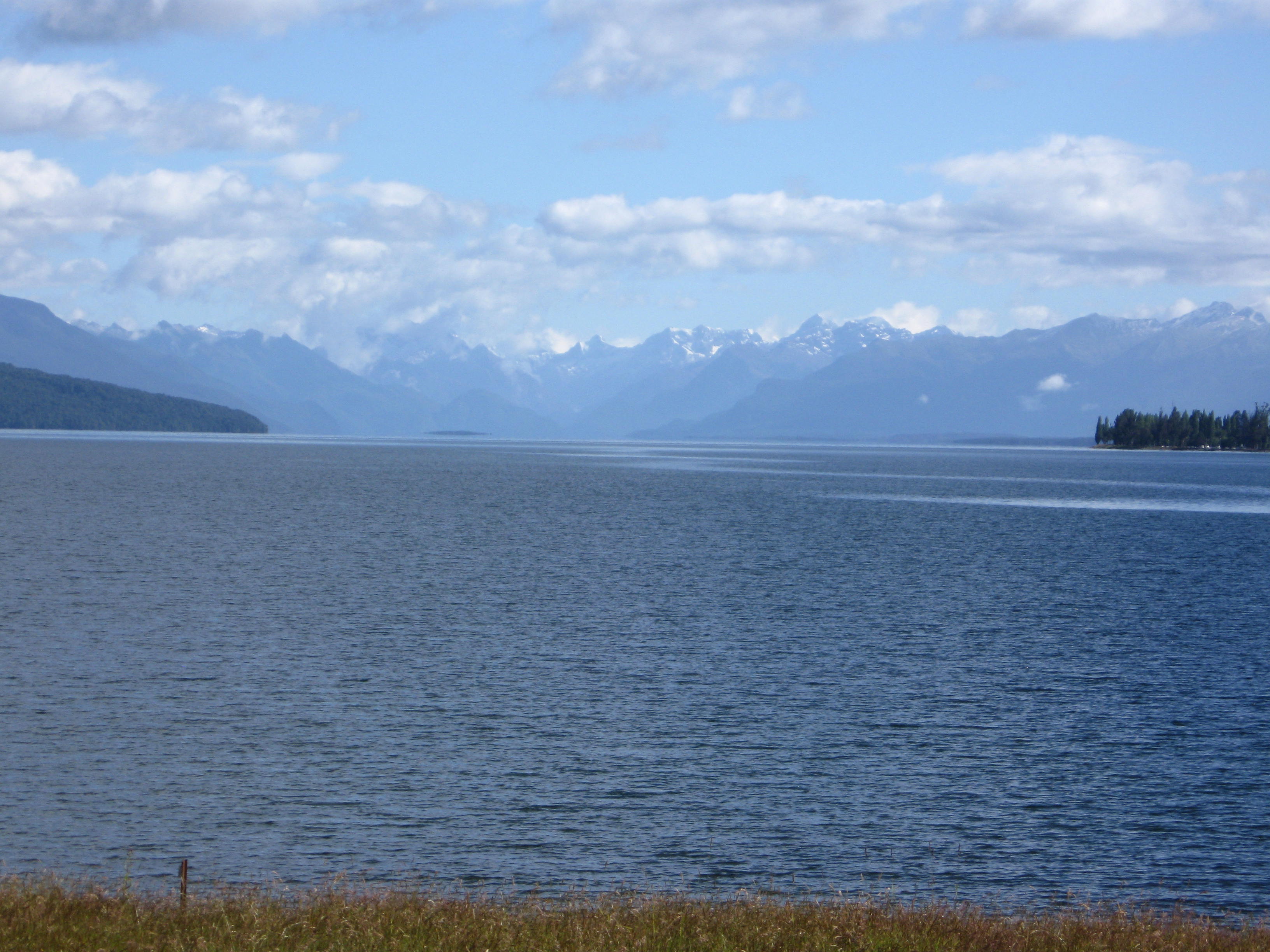
te anau,lake te anau,new zealand

Lake Te Anau New Zealand

Here are two pictures of gigantic inland lakes. In both regions, ice age glaciers cut deep valleys on the east side and west side. Today both New Zealand and Patagonia have massive inland lakes fed by glaciers. In Patagonia, many of these lakes have ice bergs!

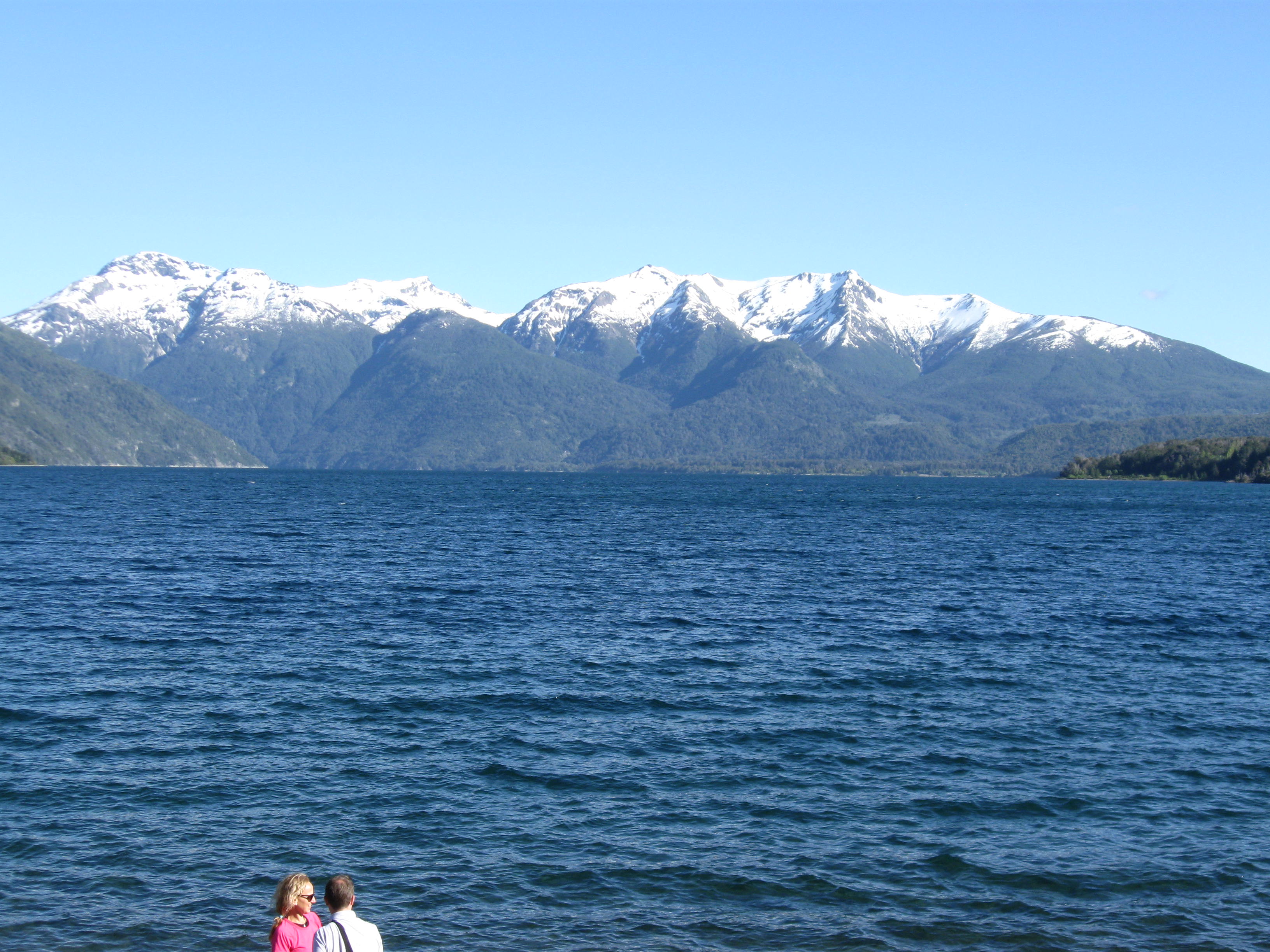
los alerces national park argentina

Los Alerces National Park Argentina

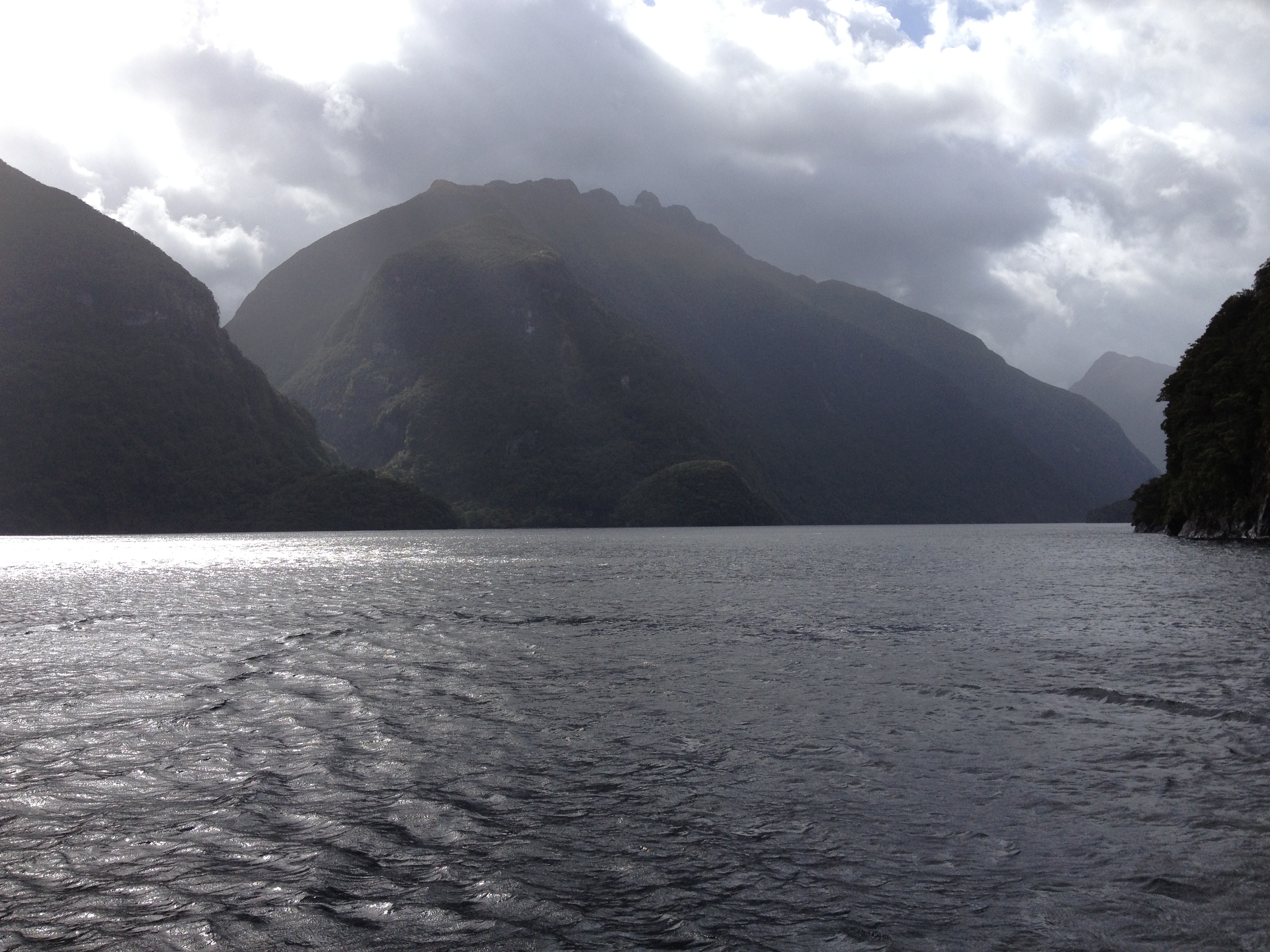
On the west side of Patagonia and New Zealand the ice age glaciers carved fjords leading to the sea. In Patagonia these fjords wend their way for more than 1,000 miles. In New Zealand they also form magical vistas.

Doubtful Sound New Zealand

Doubtful Sound New Zealand

puerto natales,chile,patagonia

Puerto Natales, Chile

Believe it or not, both regions even have some of the same trees! They both just happen to have the purple-flowered Jacaranda tree!

jacaranda tree,hastings new zealand

Hastings New Zealand

IMG_20111119_142539

Blooming jacaranda tree Buenos Aires

The Jacaranda tree blooms its beautiful purple flowers in spring.

They can be glimpsed in drier areas of New Zealand, as well as Buenos Aires, Argentina.

So many times viewing a landscape we’d swear we were seeing the other country!

Many of New Zealand’s inland lakes are a light colored “glacier blue,” as are many in Patagonia. And driving through the dry inland valleys, whether you’re headed toward the Andes or the Southern Alps, often times you’d swear you were several thousand miles from where you actually were!

mount cook

Left sided driving to Mt Cook…

argentina,patagonia,andes

Argentina, heading into the Patagonian Andes – right side driving!


I Love Camping and Hiking in the Metolius River Region

7 01 2015
metolius river,camping in oregon,camp sherman,camping camp sherman,trout fishing oregon,allen springs campground

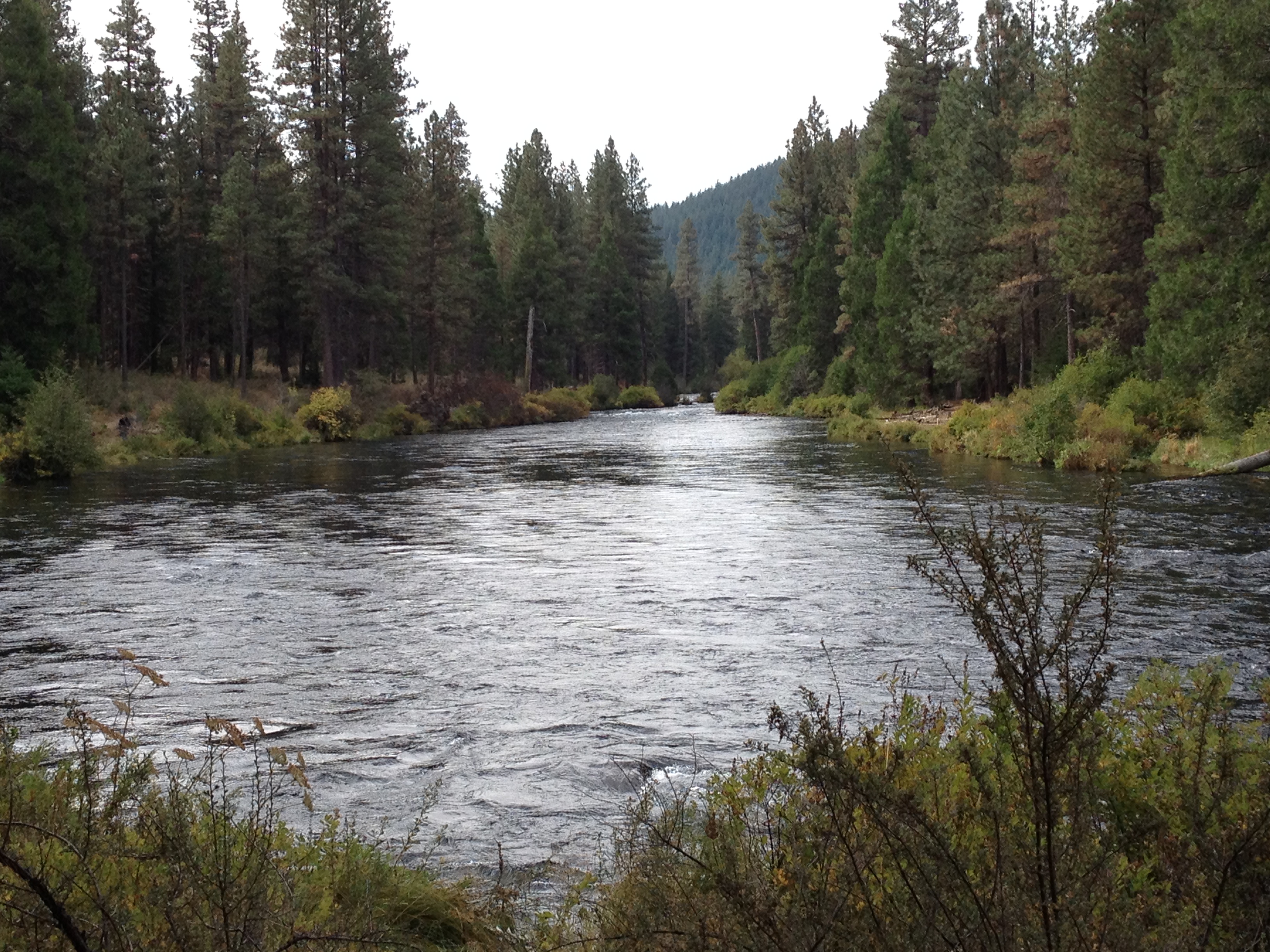
The Metolius River from our campsite!

Bubbling up from the ground fully-formed, the Metolius River, at Camp Sherman, Oregon, is one of the state’s most magical outdoor gems. The Metolius River Valley stretches 13 miles from the mouth. Because it lies just to the east of Santiam Pass, it is solidly in the Central Oregon ecosystem. Blessed in a rain shadow, the valley is dry most of the year – and dry-climate-friendly Ponderosa Pines dominate the forest.

There is a lot going on in the Metolius River Valley – but it’s subtle. It’s not widely advertised. First and foremost, it’s all about the river. At the head of the valley the Metolius emerges from the ground as a fully formed river. It’s not a little spring. It is urgently rushing out at its headwaters. The water is glacier snow melt coming directly from glaciers in the Three Sisters, where it disappears underground and flows for many miles in underground lava tubes, only to emerge in the Metolius River Valley. That means it’s extremely cold and pure.

metolius river,camp sherman,fly fishing,metolius river fishing,camping in oregon

Fly fisherman on the Metolius

This river, wending its way through snags and bends, is perfect habitat for trout and salmon. The Metolius River is a national blue ribbon trout fishing stream. When visiting the area you always glimpse fly fishermen trying their luck along its banks.

metolius river,allen springs campground,camping in oregon,camp sherman

Nothing like a multistory fire!

There are several campgrounds sprinkled along the Metolius River, plus there are lodging opportunities in Camp Sherman. My personal favorite is Allen Springs Campground because it sits along a U-shaped bend in the river. There are three walk-in campsites on the U-shaped peninsula. If you score the campsite at the end of the peninsula, you have guaranteed privacy and simulated back country camping. You just need to walk your gear to it. This guarantees no RVs parked next door. No generators grumbling during the night. All you hear is the glorious burbling of the Metolius!

Forget to bring everything? Fear not. You can get what you need at the Camp Sherman General Store. Even better, the store has delectable made to order sandwiches! It’s worth not bothering to pack your lunch because you can get a scrumptious fresh hand made sandwich at the store! If you order a club sandwich they’ll be cooking the bacon right in front of you.

There’s much more. There is a hiking trail running for at least 10 miles – down one side of the river and back up the other. A visit to the Wizard Falls Fish Hatchery is well worth the stopover. For swimming and boating, Suttle Lake is just a few miles west of the exit for Camp Sherman off the highway. And in July, if you are up for an alpine hike through spectacular wildflowers, Three Finger Jack beckons.

rod richards,roderick richards,three fingered jack,hiking oregon

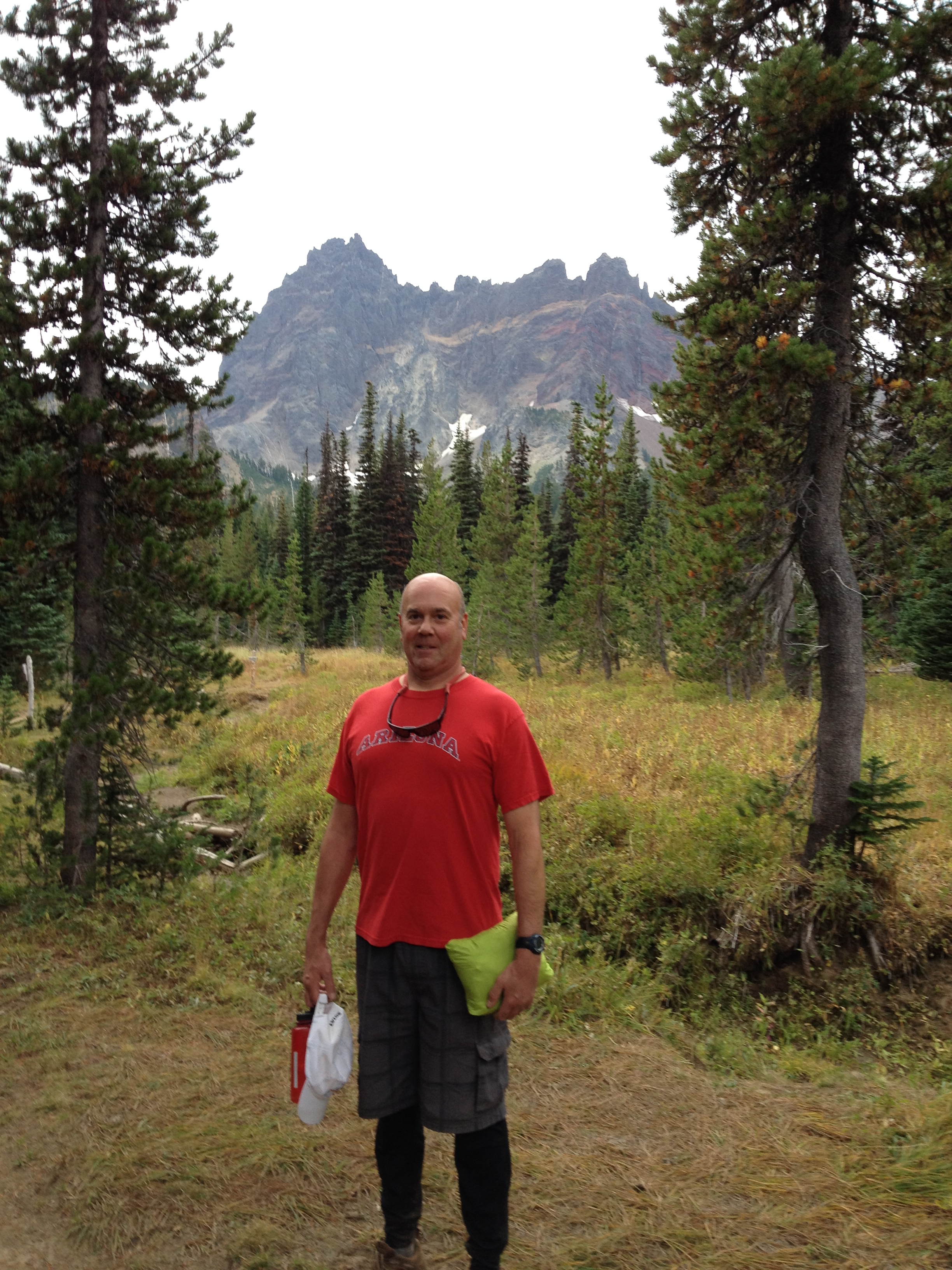
Rod pauses in front of Three Fingered Jack

On this trip my old college buddy Tully accompanied. For dinner, we used the tried-and-true Wok cooking method. Wokking is a great alternative to traditional camping meals. First and foremost it’s delicious! And fresh. It’s great for group cooking because the ingredients are all laid out and then each camper cooks their own. Some may be intimidated at first, but it’s virtually impossible to screw up a Wok meal!

wok cooking,camp cooking

But prior to dinner there is the obligatory post-hike and pre-dinner happy hour. That requires a campfire. We violated all dietary guidelines by having a bag of Fritos. A camping secret is that Fritos and Doritos are excellent fire starters!

fritos, frito-lay,fritos fire starters

Fritos are super fire starters!

No kindling??? No problem, IF you have a bag of Frito-Lay products on hand. The next thing is music. Tully provided plenty of songs from The Grateful Dead, The Eagles, and Eric Clapton. All good blended with the burbling of the Metolius River.

metolius river,allen springs campground,camp sherman,camping in oregon

Tully pickin’ on the guitar

Next day we glimpsed an unusual sight walking along the river. Turkeys!

turkeys in oregon,turkeys,camping in oregon,camp sherman,metolius river

Turkeys!

There were 8 – 10 of them. Who knew! During a lunchtime visit to Camp Sherman we learned there are a lot of turkeys in the valley and they are a nuisance to some homeowners! The ones we saw looked innocent enough.

If you are in Central Oregon you should consider a visit to the Metolius Region!


North Fork John Day River and Granite Oregon – Gold Country!

31 10 2014

north fork john day river, camping, oregon, hikingHiking on the North Fork John Day River Wilderness Trail has been on my bucket list. So I made plans with my friend Tully to head out there and explore the river, and to check out the central northeast Oregon area – also known for its place as Oregon’s Gold Rush region.

The North Fork John Day River is a National Wild and Scenic River for good reason. It’s remote, it’s to-die-for beautiful, and it’s got historical gold miner’s cabins sprinkled along the way. One can do out and back hikes, or circular routes, or even through hikes where one car sits at the beginning and the other at the end.

An ideal spot for exploring the area is the North Fork John Day Campground. It’s on Forest Service Road 52 and is right at the intersection of the Elkhorn Scenic Byway and the Blue Mountain Scenic Byway.

When we arrived, there were only three campsites occupied of the twenty available. Instead of camping at a drive-in site, we picked a walk in site right on the river. It had plenty of real estate and we couldn’t see anyone from the site. Our first dinner was a skewer bbq – chicken with veggies on skewers and some rice.

Next morning it was time to hike the trail by the river. The trail wends its way sometimes right along the river and often climbing 100ft above. But always it’s really beautiful.
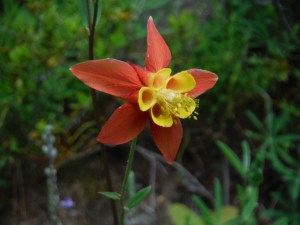
north fork john day river, columbine, wildflowers

Columbine

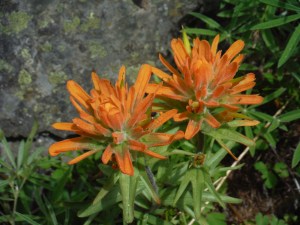
indian paintbrush

Indian Paintbrush

We saw a lot of wildflowers along the way.

Lupine, Indian Paintbrush, Columbine, and others I can’t positively identify.

There were popcorn clouds, so the lighting in the river valley varied as we walked along.

The breeze was refreshing.

We came upon some strange things in the trail. It looked like hair. Lots and lots of hair. Or fur. Light brown fur. But no skin. What could it mean ? And then, not long after, we saw the remains of a large animal down upon the bank of the river.
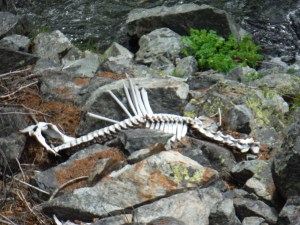
DSCF1577 Was it a horse? Or an elk? Its head was nowhere to be seen. What killed it? It might have been a cougar. Hunting season was back in the fall.

In any event, the carcass had been picked clean. Nothing left but bleached bones.

So along the trail we walked. Further down the river we glimpsed some history we’d heard about.

This region, which includes the towns of Sumpter, Bourne, Greenhorn and Granite, was a Gold Rush area in the late 1800’s and even into the early 1900’s. Even today, there are claims along some of the creeks.

The first thing we encountered was a miner’s cabin. It looked like it had just been abandoned.

DSCF1573DSCF1575There was still some structure to it. It even had a kitchen counter and rusty remains of beds.

I sure wouldn’t want to stay in it!

One has to wonder what was going through the minds of the people that built these places.

The windows definitely were not from 1890. They looked like they were 1970’s vintage.

It must have been a rat and bug infested sleeping experience for sure.

The place had an outhouse not too distant. Peering into that structure gave me the creeps, as if Hannibal Lechter from “The Silence of the Lambs” lurked somewhere down below.

DSCF1566The North Fork John Day River Trail is a beautiful experience. I did not backpack it this time – as Tully doesn’t backpack. But I will return here and do a backpack for sure. It’s got to be the best way to experience the area.

The following day we decided to drive out to Granite, Sumpter and even Bourne. This is the heart of Oregon’s Gold Rush Territory.

Leaving the campground, Granite, Oregon is only seven miles away. It has a population less than 50 and struggles to survive as a recognized town. But it does have a gas station and a store. Only not open when we were there! Interestingly it has a free Internet wireless antennae right in the midst of the 30 or so homes littering thee hill it lies on.

We drove on to Sumpter, Oregon. There are countless mining claims lining the road. We never saw an

ybody mining but there were hundreds of piles of “tailings” where people had piled rocks and sand in their efforts to find the gold.

IMG_1073

On the way we decided to explore a dot on the map called Bourne. Driving up its little side valley, one wends through countless 15-ft high piles of tailings from past mining endeavors. Almost when you think it’s time to turn back, you find Bourne. Sitting at the end of the road, in a valley, are maybe two dozen homes some of which have actual mine shafts on their property.

Not much going on there these days. We got out of there pretty quick.

After Sumpter we decided to head over to Anthony Lakes, on the other side of the Elkhorns. The road climbs to 7,450 feet before descending to the lakes. The Anthony Lakes Ski Area was long closed for the season, but I just had to drive my car up to the ski lift to see if I could catch a ride!

All in all we had a good trip up there. It’s quiet, remote and there’s quite a bit to see if you make the effort! You will not find Disneyland crowds for sure.

anthony lakes ski area

IMG_1072


Opal Creek Oregon – Explore Ancient Forests

9 03 2014
Image

Here I am at the entrance to Jawbone Flats. A few hardy souls make this their year-round home.

We recently spent a weekend at the cabins at Opal Creek Oregon! Opal Creek Ancient Forest Center and its Jawbone Flats Cabins sit inside the Opal Creek Wilderness, the largest old-growth wilderness in Oregon.

It’s about a two hour drive from Portland. The village houses the Opal Creek Ancient Forest Center, plus cabins in which visitors may lodge. All around lies the incredible ancient wilderness with its myriad trails, crystal pure creeks, and countless examples of edible plants such as mushrooms.

Image

The village is a museum of early 20th Century mining equipment. The irony that is Opal Creek Wilderness is that an extractive industry saved the old growth forest, while rampaging logging was going all around it. It was privately owned mining operation and never logged. Later, a political movement launched a campaign to preserve the area and in 1996 Congress established the Opal Creek Wilderness. The village is “off the grid,” meaning all electricity is locally produced by a small hydroelectric generator harnessing the creek’s power.

To get to Jawbone Flats, you must hike two miles from a parking area. You need to bring in everything you need to eat. Kinda. There is a twice daily shuttle that can bring up your stuff from the parking area. It’s a really pretty hike by Opal Creek. Along the way you pass by some dilapidated mining equipment.

Image

We reached Jawbone Flats and found our cabin. It’s really nice! You can probably house 10 people in the cabin. Very comfy, and the rear of the cabin has a deck overlooking the creek. Then we settled into our rooms.

Next, we headed out onto some trails! Opal Creek Wilderness is truly a jewel! The old growth evergreens are unmatched, and the creek is so pristine.

ImageIt’s such a beautiful area. I highly recommend it. If you go in the summer, the Opal Creek Ancient Forest Center has a menu of classes and trips to choose from, each guided by highly knowledgeable staff intimately familiar with the area.

Image

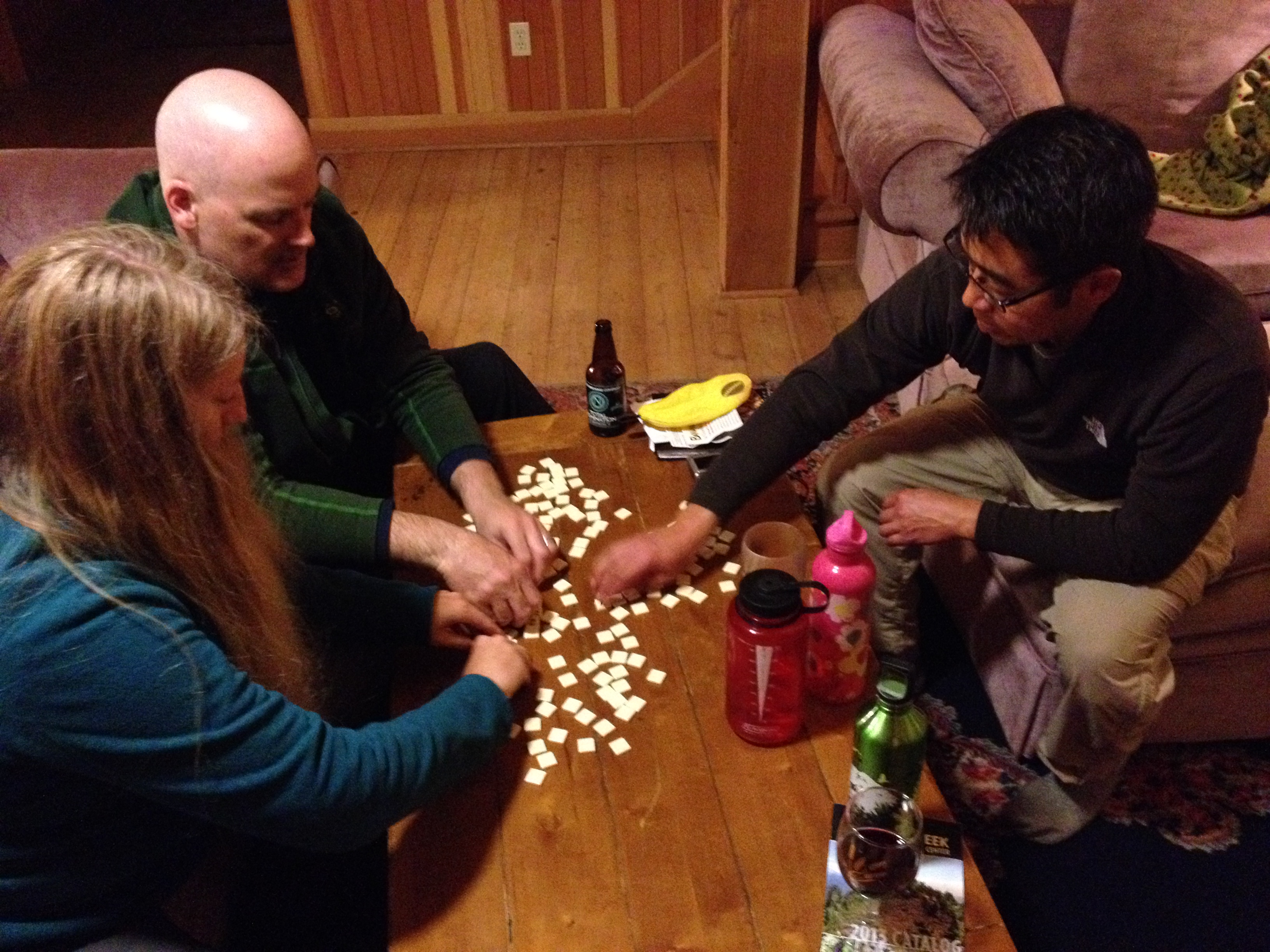
After our hike, we headed back to the cabin for happy hour, a wok cooking session, and playing board games! Lots of time spent chop chopping ingredients for the wok, and then delicious productions coming off the stove!

ImageImage

After dinner, it’s board game time! If you want a quiet getaway not far from Portland, and want to witness a forest ecosystem unchanged since ancient times, Opal Creek is worth a visit.


I’m Back – From a Back Injury, that is…

8 03 2014

You may have noticed I have not posted to my blog in months. If you’ve read my blogs, you know I’m a very active individual. My hearts desire is to be outside, breathing the air, being active. Whether hiking, trekking the Himalayas, paddling surf, or skiing the Wasatch, I live for outside activities. Travelling overseas is especially rewarding to me, whether soaking up cultural experiences or adventuring rivers or mountains.

My lifestyle is also my work. I have taken kayaking/paddlesports and wrapped into a way to earn my keep. I’ve been a brand manager for Feelfree Kayaks, a company that imports New Zealand-designed, Bangkok manufactured kayaks into the American market. And I’ve converted countless couch potatoes into outdoor enthusiasts as kayak guide / instructor for Alder Creek Kayak and Canoe. I never tire of getting great gear into a customer’s hands and then hearing their stories of their adventures using it. To put it mildly, I am a tireless evangelist for outdoor recreation.

But my passion does involve risk. It can’t be avoided. It can be managed, and minimized, but not entirely eliminated. When it comes to kayak instruction or guiding, lifting boats is part of the work. I carry boats to the dock for renters. I set up lakeside trade show affairs involving dozens of kayak models. When guiding, I sometimes have a trailer of kayaks and have to lift then on/off of the trailer. I’ve done it thousands of times. I’m in my early 50’s.

So, the reason I have not posted to this site in months is a mistake I made loading a kayak onto my car. One day, in August 2013, I was in a rush to get extra boats to a kayak class and purposely grabbed a boat and heaved it onto my car. Not the right way. I have paid dearly for it. I strained the illiolumbar ligament in my back. It connects the 5th vertebrae to the hip. When it’s strained, it “refers” pain down the hip. For months, I had pain when sleeping in my back and hip. I could not get going in the morning without 20 minutes loosening my leg. I could not sit in a movie without writhing in pain.

I have been on workman’s comp since August. I still work, but on “limited duty.” I have cancelled a September trip to Yellowstone National Park, and a trip kayaking down the Mekong River from Vietnam through Laos and into Vietnam. Plus a two week ski trip to Jackson Hole Wyoming and Park City Utah. It has been depressing. Yet I have never skipped one single physical therapy routine.

If you’ve had back problems, you know my plight! But I am a fighter. I have been with a chiropractor and massage therapist. I have been with a physical therapist. I have been with a osteopathic doctor. And now, Pilates. Thousands of hours of work later, I am much improved. Slow, steady progress. So, I continue my daily two hours of physical therapy work. Yes. Two hours.

I have content for a few things I have done, some hiking trips and ski trips. Stay tuned, they are upcoming! And in just a few weeks I am snorkeling/camping/camping on the barrier reef in Belize!

I’m blogging again because I am proof positive HARD WORK PAYS OFF! I can engage in activities again. There will be new content very soon! You may see some content about working with physical limitations! I will never give up.

See you soon!

Rod


Rolling Hills to 22 Volcanic Craters Overnight: Waimangu Volcanic Valley

23 03 2013
IMG_3497

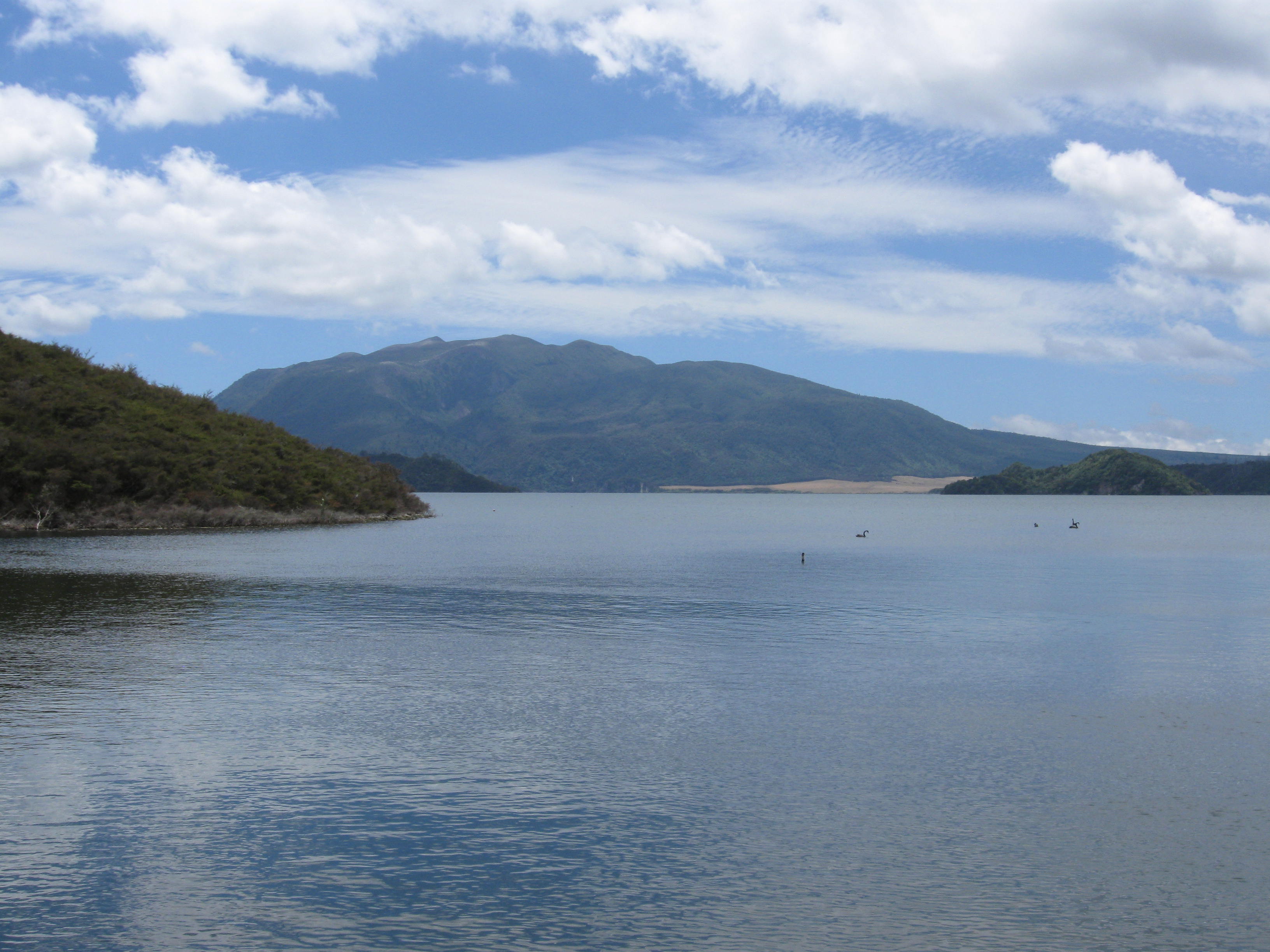
Mt Tarawera, at the end of Lake Rotomahana, split on both sides during its 1886 eruption.

Rotorua New Zealand was our next base camp. Rotorua sits on top of the country’s largest thermal system. Right inside the city of Rotorua, there are active geysers! And for hundreds of square kilometers around Rotorua, there are towns with mineral springs, mud pots, geysers, cracked mountains like Waimangu Volcanic Valley – it’s very evident that Planet Earth’s violent, and sometimes beautiful, geologic forces shaped, and are shaping the very area under your feet!

We were really interested in experiencing some active geology first hand. We’d heard Waimangu Volcanic Valley was pretty interesting. We drove out there. Not knowing much about it, I was not prepared for what I was about to witness!
A spring along the hike

A spring along the hike

We arrived at the park entrance, and picked up the guide pamphlet. It is a self-guided hike assisted at certain points by a shuttle. Reading the introduction, my jaw practically hit the ground.
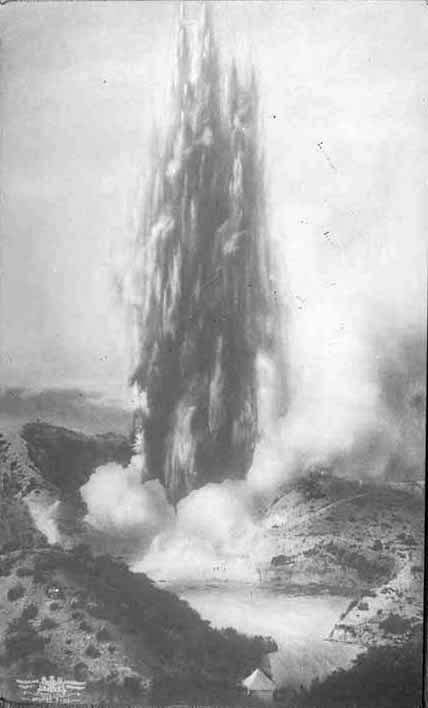
This is a 17-kilometer-long valley. It contains the world’s largest hot spring, and once contained the Waimangu Geyser, the world’s tallest, reaching 1,500 feet! That’s taller than the Empire State Building. In fact, the entire valley was created in ONE DAY!

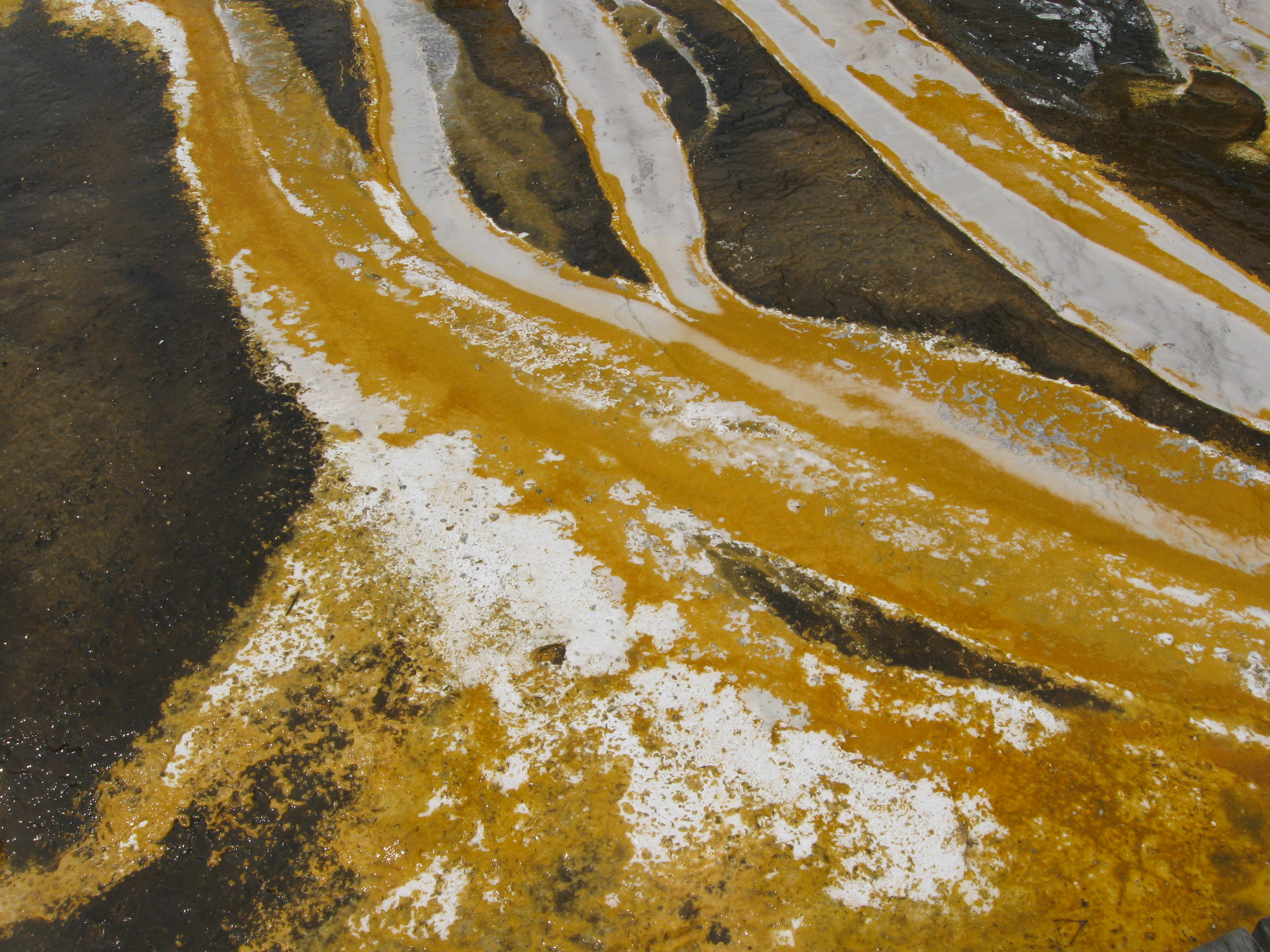
Steaming hot mineral deposits

Steaming hot mineral deposits

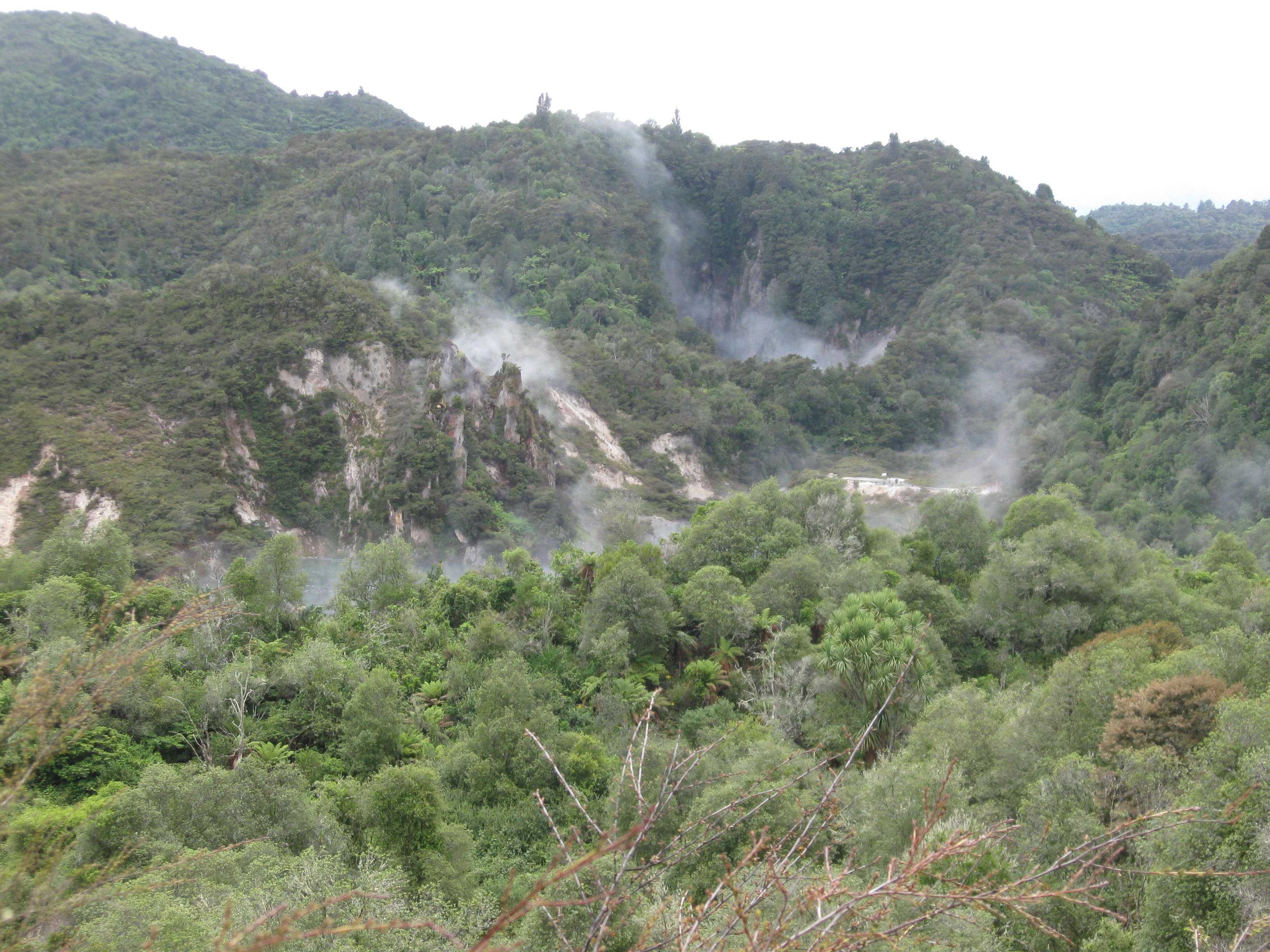
That’s right. If you can imagine. This was not fiction written from a novelist’s pen. It actually happened. This valley was someone’s ranch, just rolling scrubland hills. Then without warning, on the evening of June 10, 1886, Mount Tarawera, at the end of the valley, split open and erupted. Immediately following no less than 22 volcanic craters along the 17-kilometer valley were born. Plus a gigantic thermal geyser and hot spring area formed. It was the first time in recorded history mankind witnessed the birth of a geyser field!

The Tarawera volcano and craters of the Waimangu Volcanic Valley’s 1886 event are the sites of the largest eruption in New Zealand’s recorded history.

At the time, in 1886, the valley was devastated just like Mount St. Helens. What was once a lush forest with vibrant wildlife was laid to waste, nothing was spared. Atomic bomb shock waves flattened everything and ensuing pyroclastic flows atomized what was left. It was not long before the world learned of the fantastic event and tourists flocked to see the spectacle.

IMG_3490

Until 1904, there was a building for viewing the geyser, and then another eruption destroyed it and soon after the geyser ceased. As with Mount St. Helens, life began to retake the moonscape, and within a few decades, the valley regained its lush look. Except for the fact that there remained a few geysers, a huge lake, steaming rivers, hot springs, and hills that seem to smoke!

img0077

This geyser reached 1,500 feet!

Today visitors can hike the valley all the way to the end, where they can take a boat to see more amazing geologic features on the lake formed by the eruption. From that end point, a shuttle moves you back to the start.

IMG_3469

IMG_3475

You can make out craters, still smoking, in the forest

All along the way, there are more than two dozen amazing sights to witness!

The river flowing through the valley is filled with hot springs along its path. So, as you walk along and witness its flow, you’ll see how mineral deposits shape everything.

There are beautiful bird songs from bell birds and tuis. In the lake, I can count 91 black swans milling about. It becomes hot. Sometimes, you can smell sulphur from the steaming vents.

If you are seeking some hiking, exercise and really want an in depth up front experience of what earth can do, this valley will not disappoint!