Closeburn, Scotland, My Kirkpatrick Clan Seat

8 09 2026
Closeburn Castle

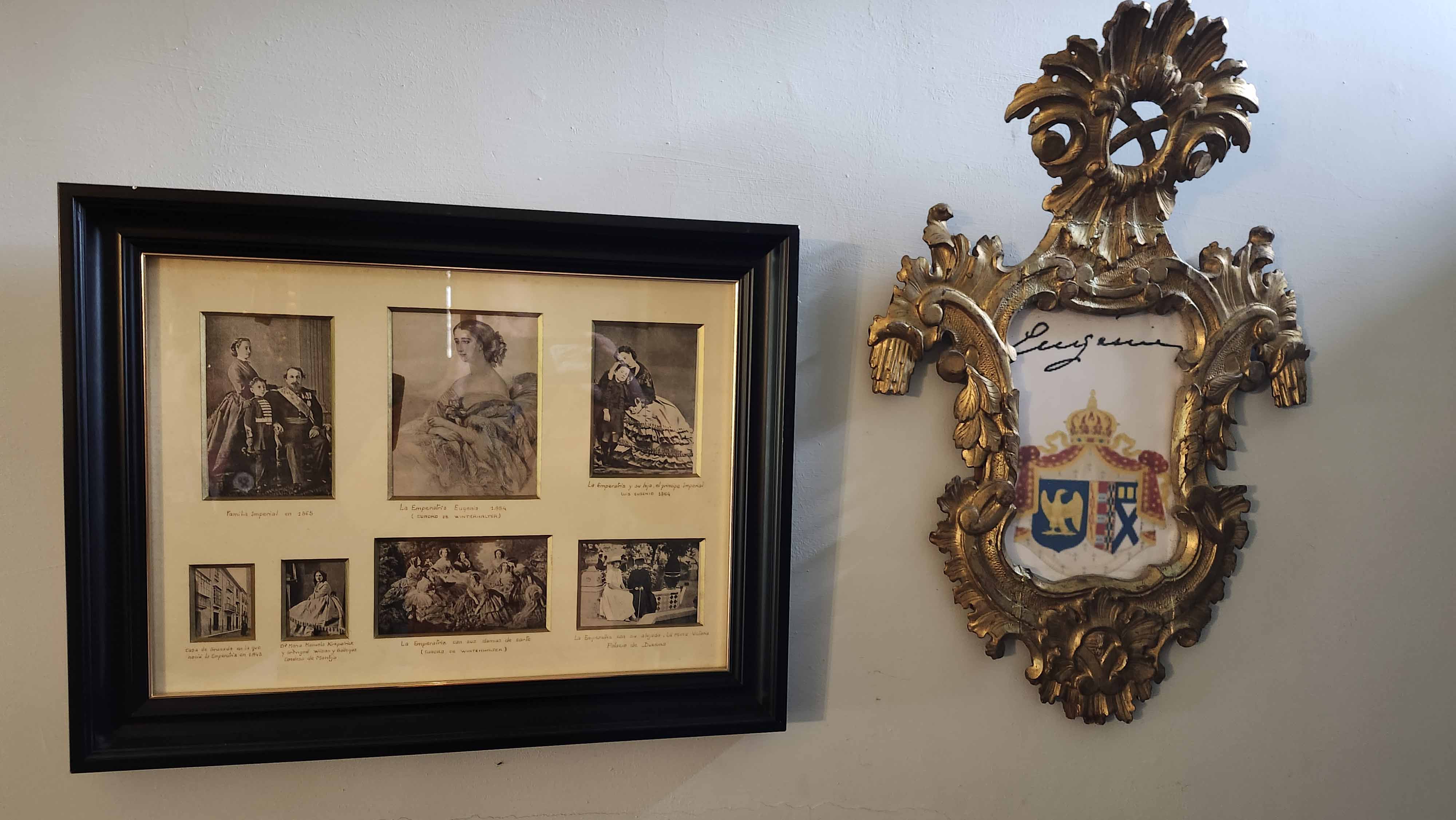
In June 2026 I made a pilgrimage to Closeburn, Scotland to visit the ancestral home of my Kirkpatrick family. On my mother’s side, I am a Kirkpatrick. The Kirkpatrick family lived in the area from at least the 13th Century onward. The Clan was close to Robert The Bruce and William Wallace was a relative. Later, in the latter part of the 19th Century, Empress Eugenie of France was also a Kirkpatrick. The Kirkpatricks were central to Robert The Bruce becoming King of Scotland by helping slay his rival The Red Comyn. Their motto, “I Mak Siccar,” or “I Make Sure,” is from Sir Roger Kirkpatrick making sure the Red Comyn was slain.

Closeburn lies in lowland Scotland, not 30 miles from the English border. So there were plenty of cross border clashes. There are several other castles in the area including Lag Tower and Castle Morton. One of my first places to visit was the cemetery around Closeburn Parish Church – because there are Kirkpatricks buried there – and an I Mak Siccar Clan Badge in Stone.
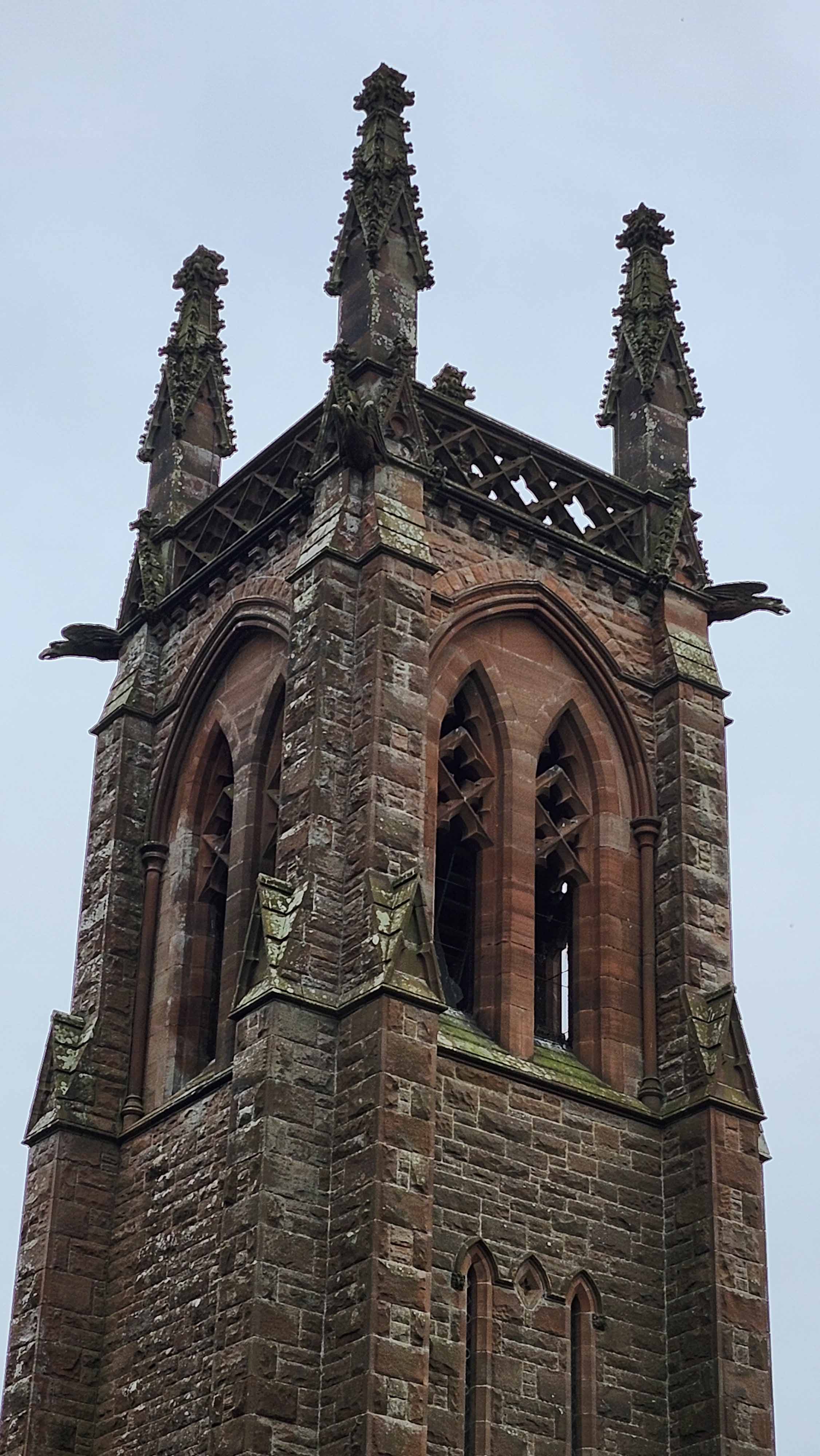
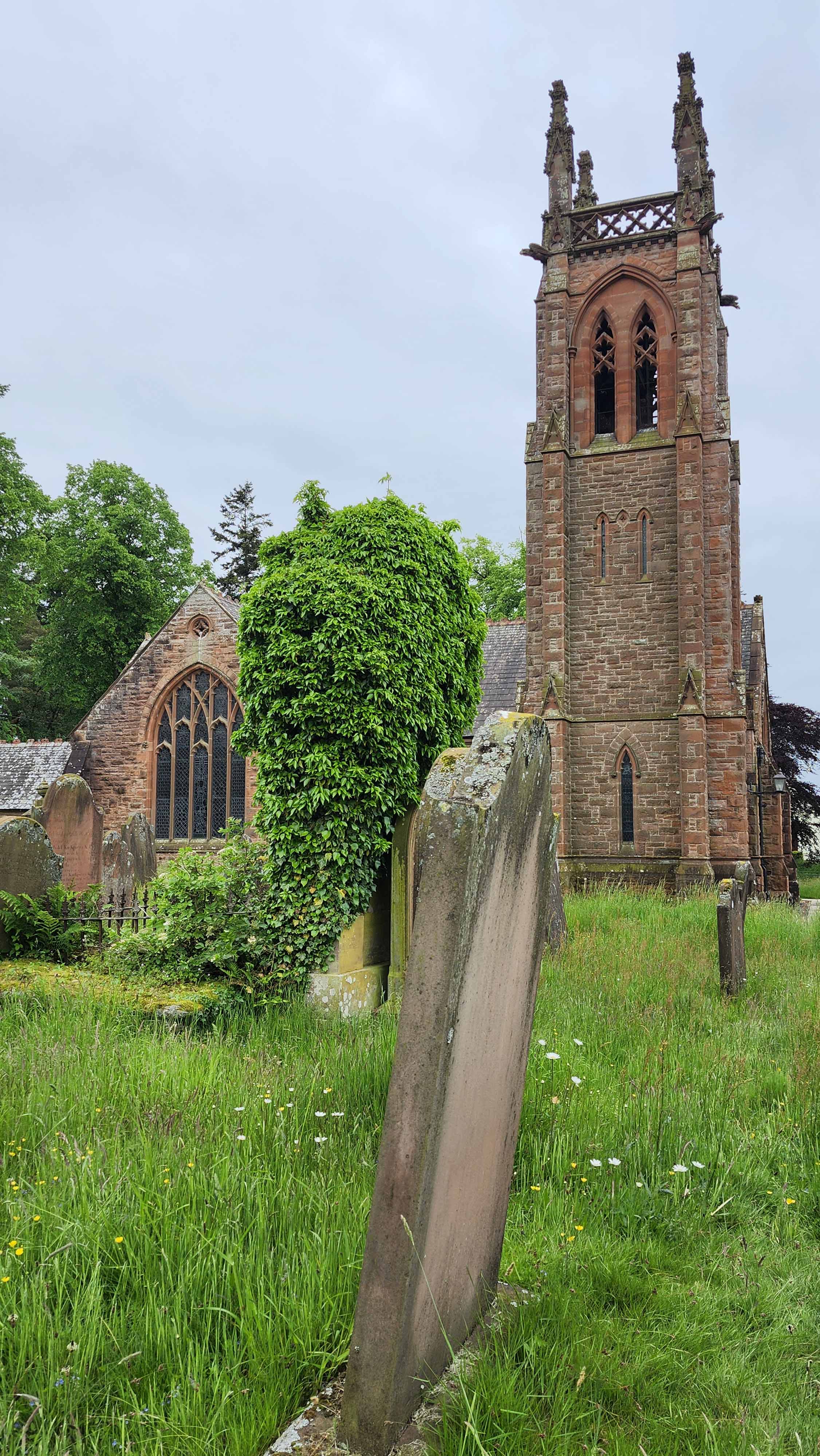
The church is quite lovely and the surrounding cemetery modestly maintained. And nearby I found the Kirkpatrick family mausoleum. It seems to have once been a small building and long since collapsed. But the I Mak Siccar badge is still there under the roof peak!
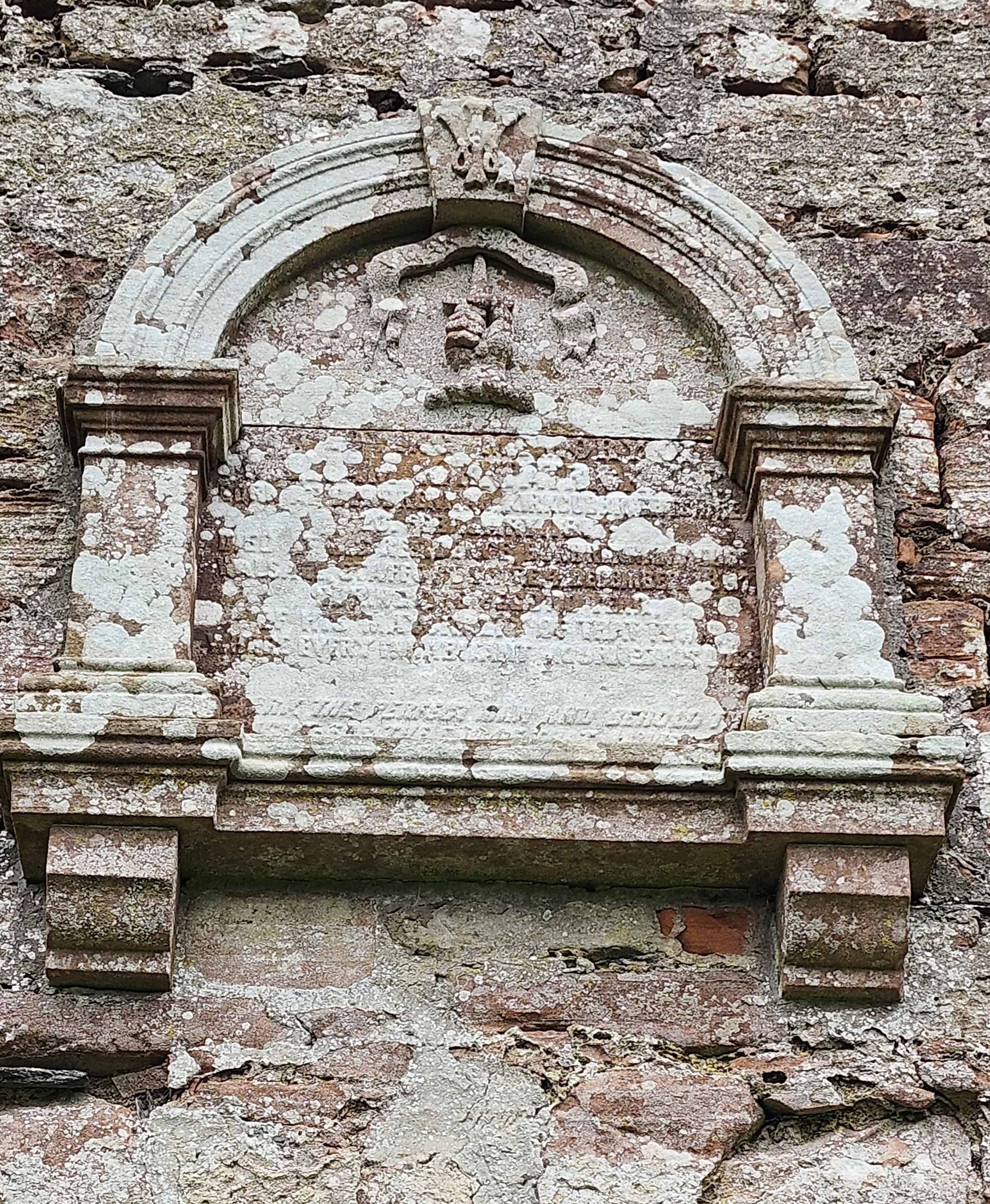
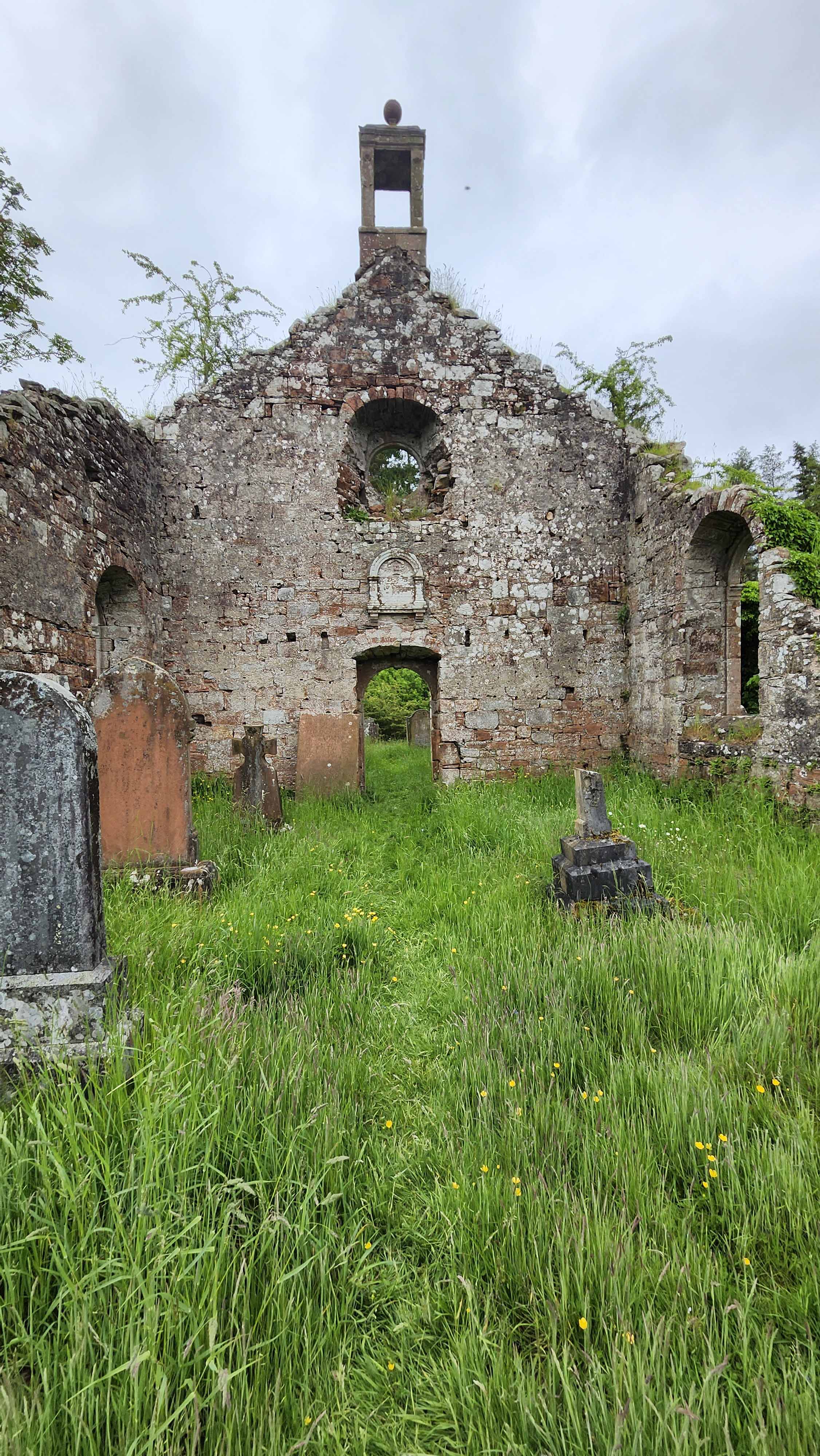
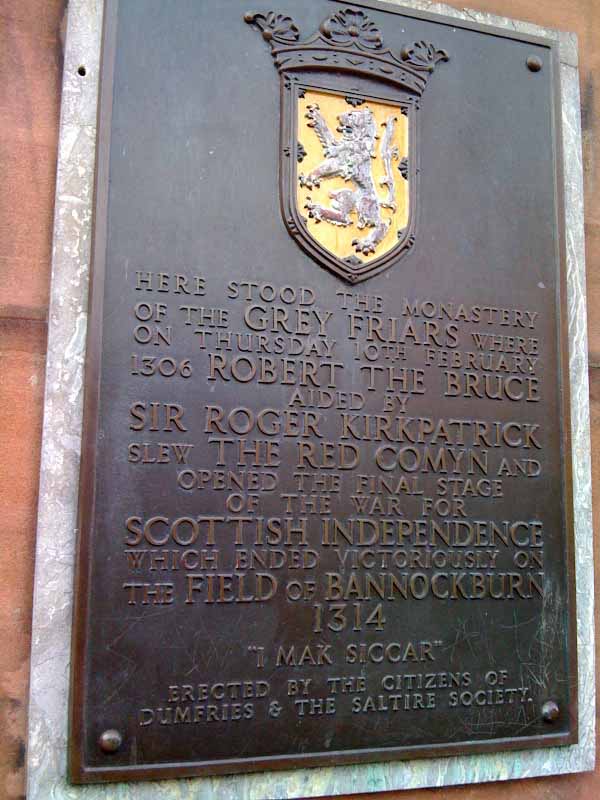
It’s hard to describe the feelings I experienced walking around the cemetery. The history, the lives lived. How some of the clan changed the course of human history. Empress Eugenie and her husband Napoleon III created the Paris we know today. She opened the Suez Canal and got Luis Vuitton his start. A Kirkpatrick was critical to Robert the Bruce becoming king. This event is marked on the side of a building in Dumfries, which is about 12 miles south of Closeburn. A plaque marks the spot.
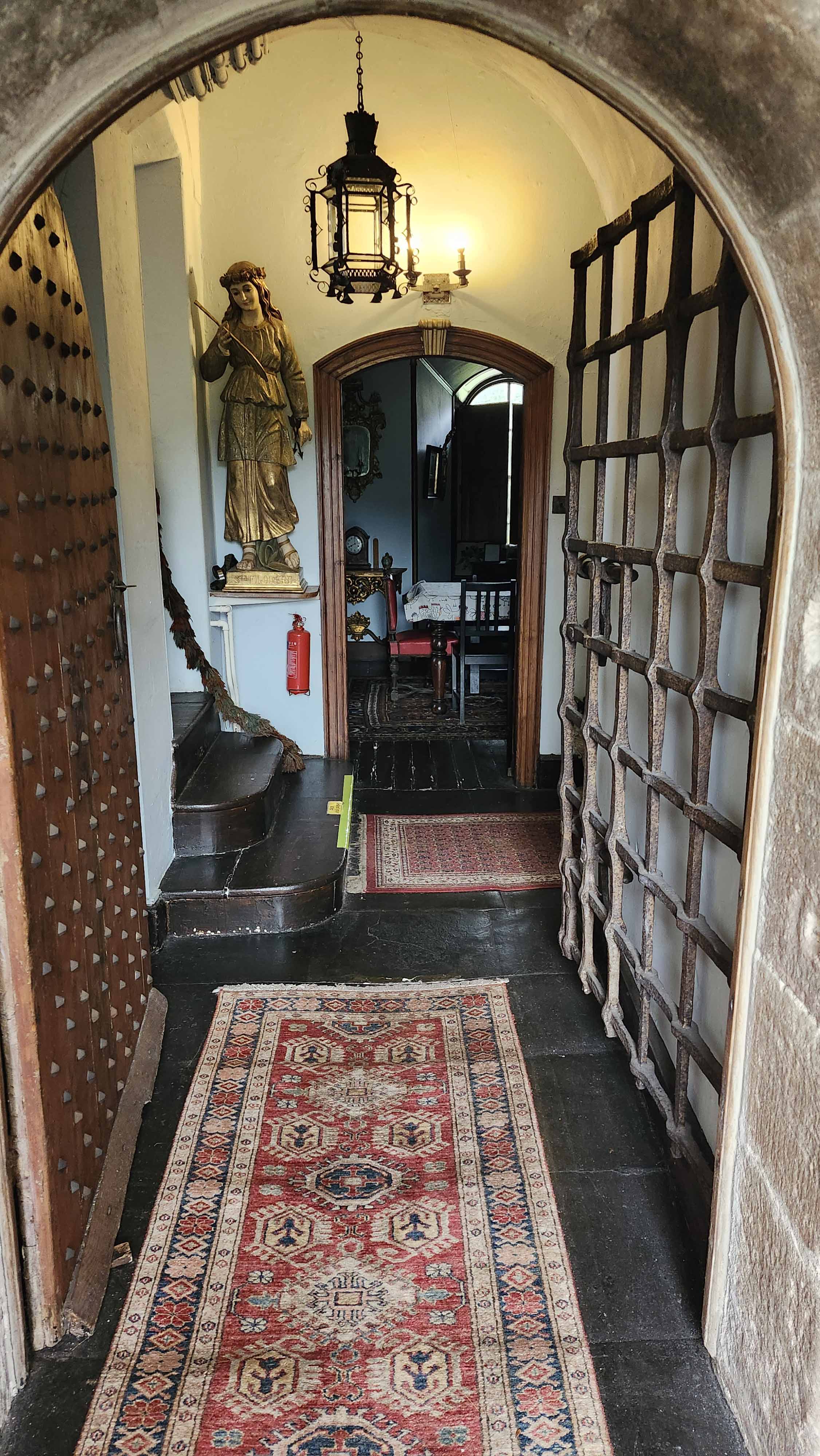
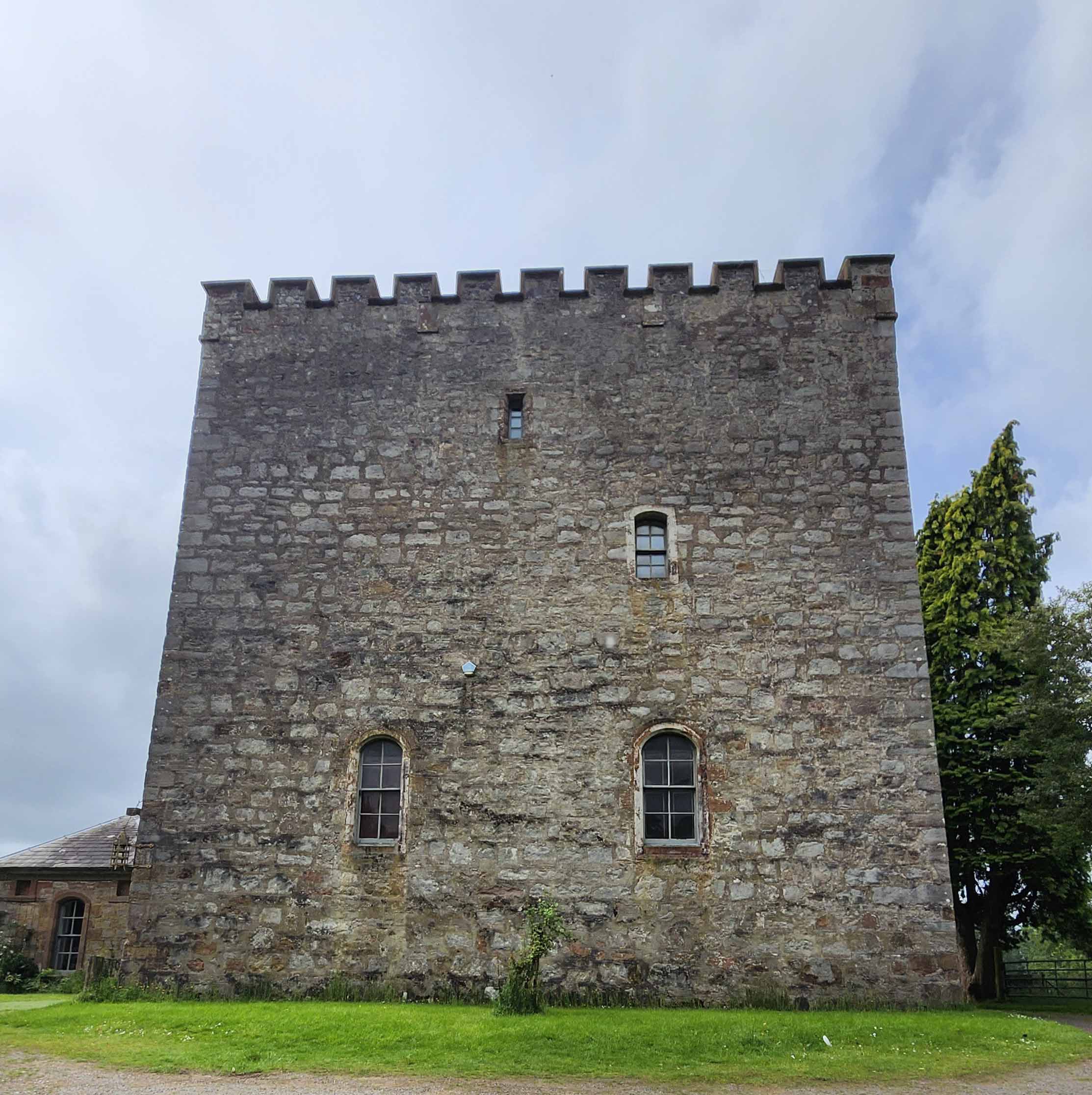
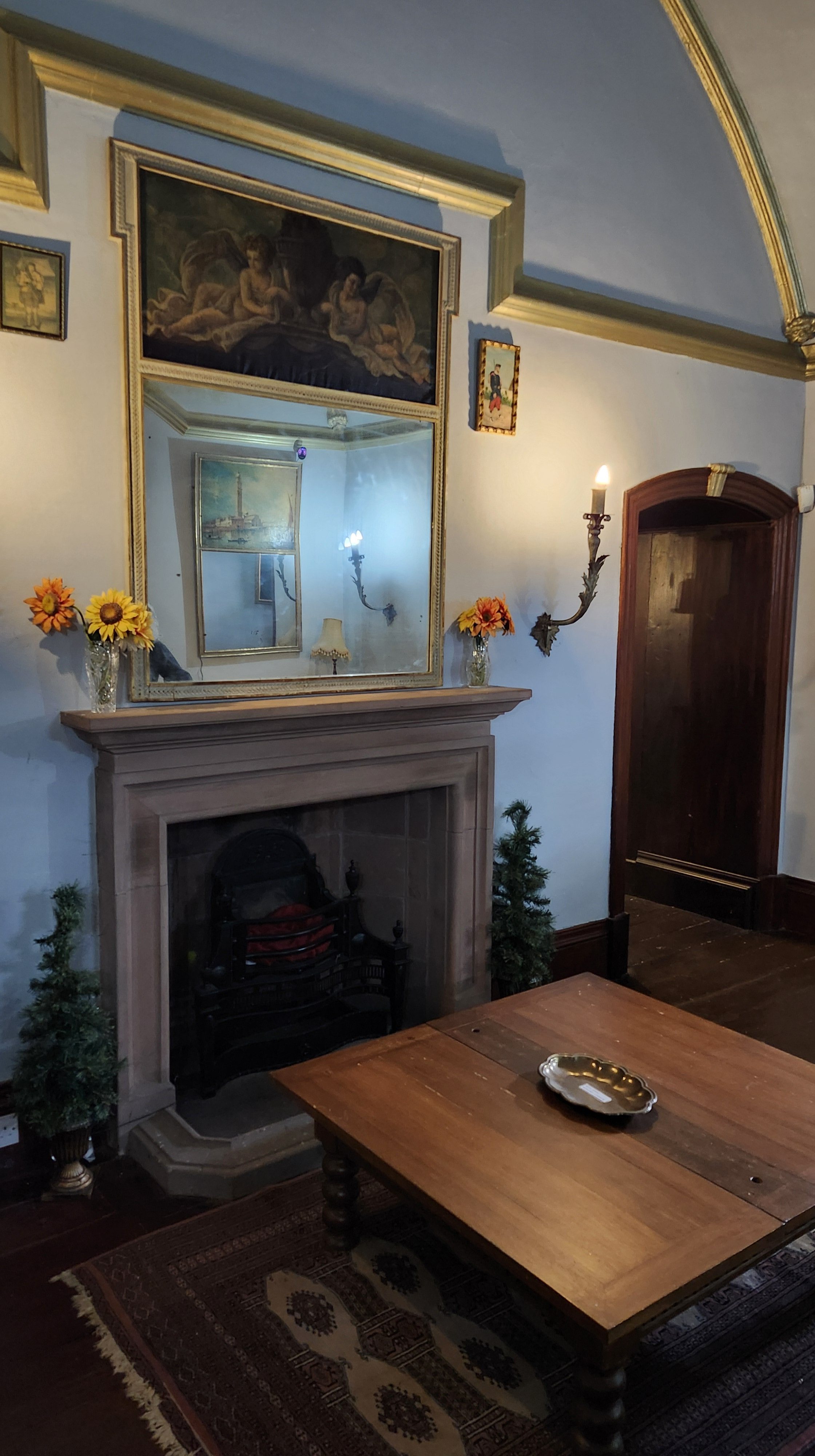
The following day I paid a visit to Closeburn Castle. It is the longest continuously inhabited castle in Scotland. It was built likely in 1180. It was deeded to the Kirkpatricks by King Alexander II in 1232. Maria, the owner, showed me around. It has a dungeon. In many places the walls are 9 feet thick. The castle walls were taken down at one point and used as building materials for a manor in the 17th Century. It has photos of important events in the life of Empress Eugenie – even a photo of her with Queen Victoria.
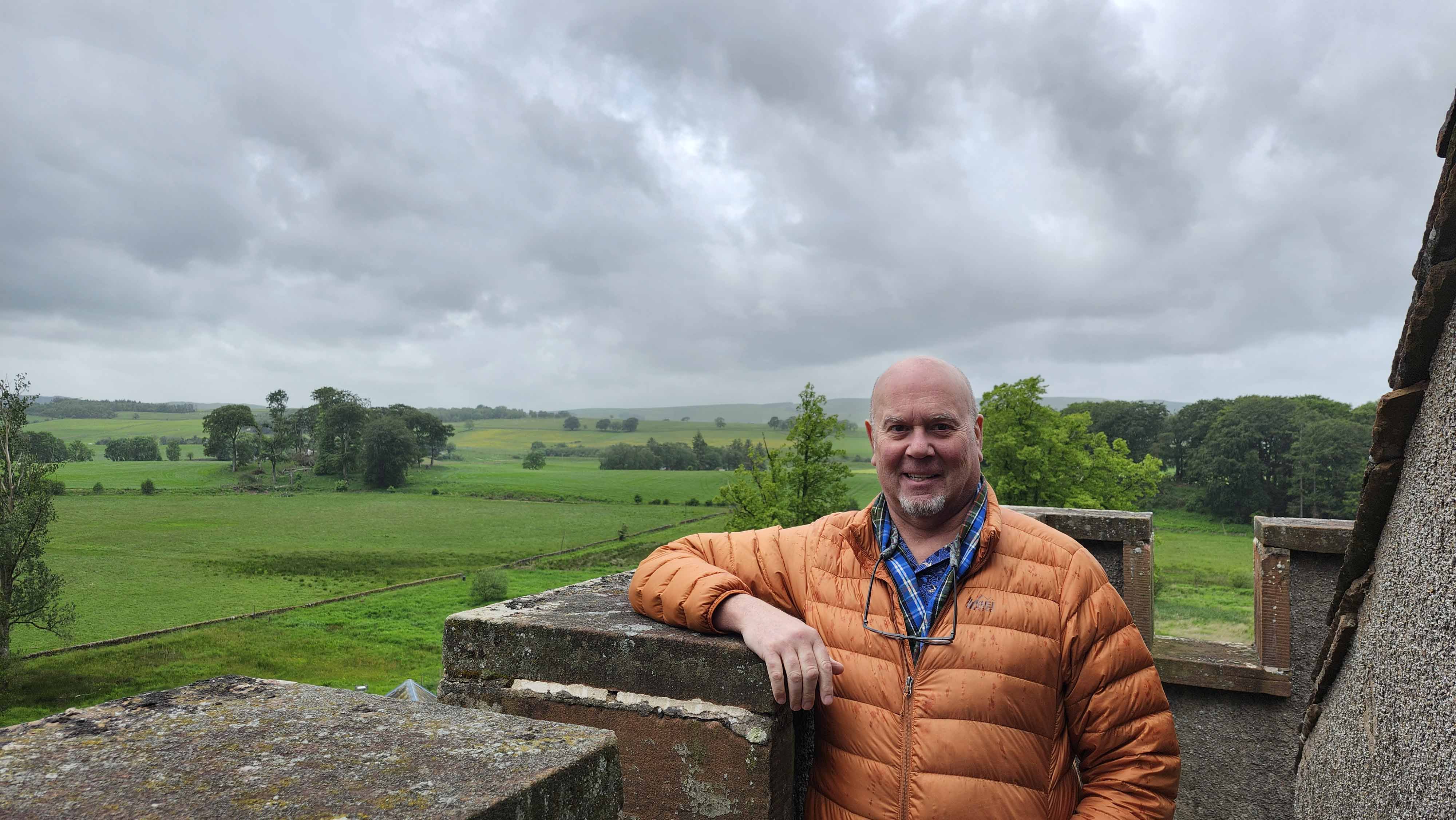
The final part of the visit took me up to the top of the castle. Wow it’s got quite a view!


Normandy, France: Mont-St-Michel

21 10 2025
Mt-St-Michele

One of the reasons I chose the Rick Steves Paris and the Heart of France tour was that the island monastery-fortress of Mont-St-Michel was on the itinerary! Ever since I learned of its purpose, history, and legendary status in French language classes, it’s been high up on my bucket list. This tour included a night’s stay on the island, complete with a multi course seafood supper.

Seafood starter before the main course on Mont-St-Michel
This is just the appetizer!

Its is legendary in that at at high tide it is an island, but at low tide it can be accessed via mud flats. Since its first construction in the 9th Century, it has been a magnet for religious pilgrims, armies, and tourists. Twice it was a prison. Today, it’s positively crawling with tourists daytime. But after dusk, when the causeway closes, it returns to its cloistered-like state and you can be all alone with its mysteries. Its permanent population is less than 100.

The island is surrounded by a castle-like wall, within which is a village and up top an incredible Catholic abbey inhabited by monks. The sea breeze is most welcome and smells sweet. Centuries-old cobblestone streets lead to restaurants, shops, cemeteries, a couple of lodges, and finally the abbey – and several times daily the abbey bells ring out. The 45-ft tide coming and going was said to be as fast as a galloping horse – swallowing entire armies trying to take the island. The English tried and failed in 1423 and 1434. Over the ensuing centuries it became a prison, was used by Germans as a lookout and for 300,000+ German tourists during WWII. Today Catholic monks still worship in the monastery.

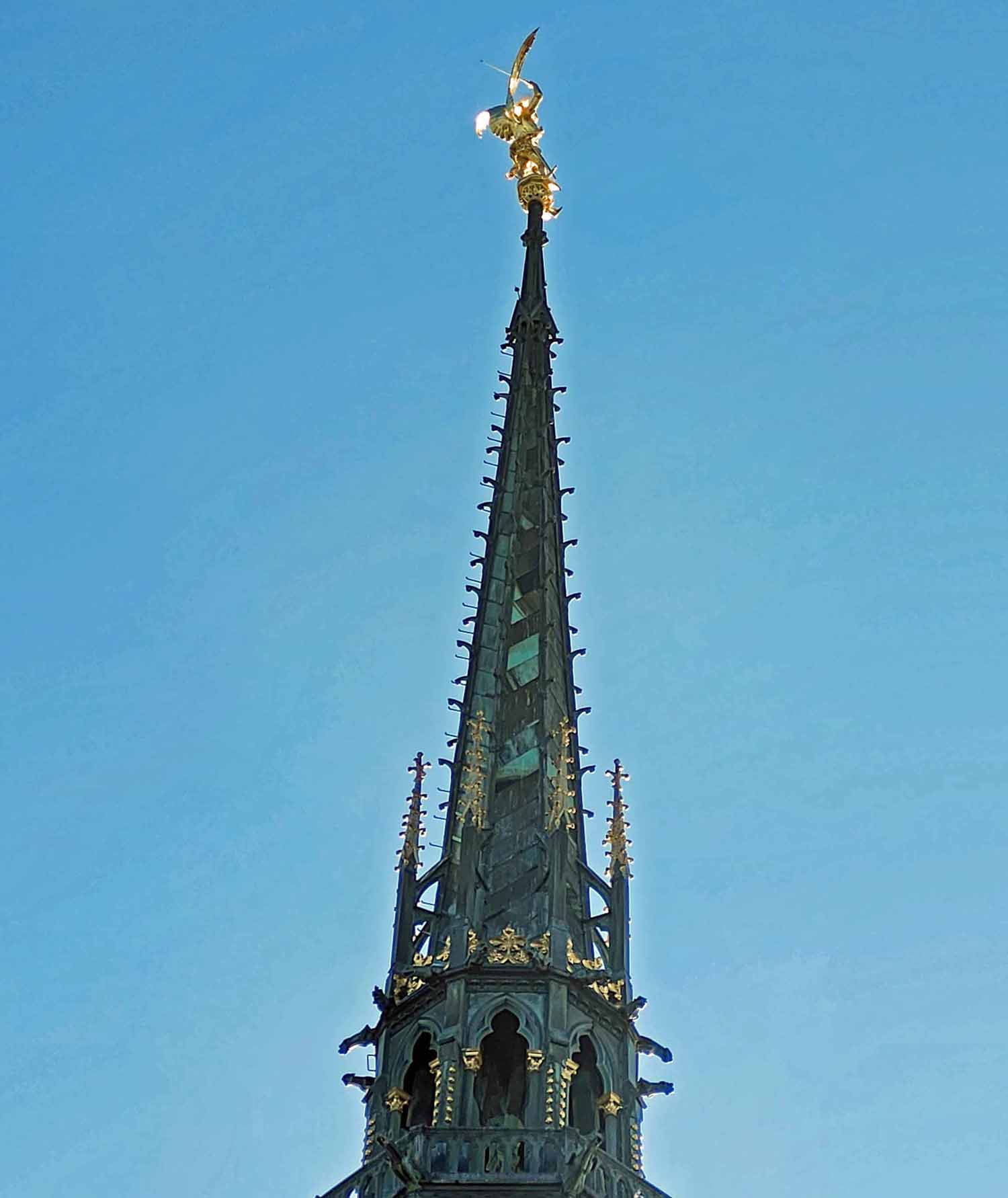
Views of the surrounding area abound. You can watch the incredibly fast-moving tide. One thing that really struck me is the golden image of Saint Michael topping the abbey. The sun lights it up like a flare. And it is visible for miles along the adjacent coastline like a flaming beacon.

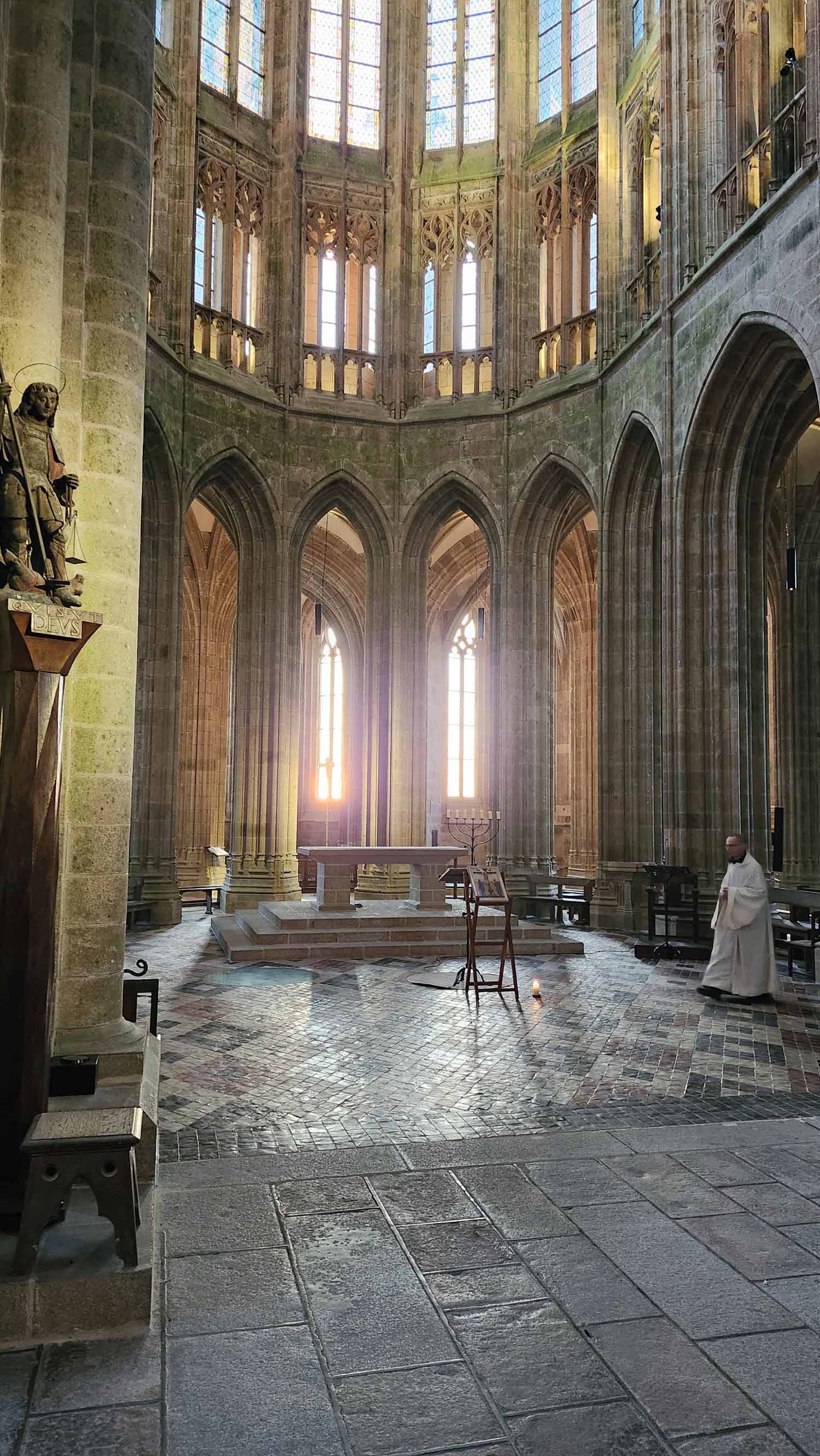
On this visit I learned it was possible to experience a once-in-my-life moment: Attending a dawn service in the abbey given by the monks! This experience requires ascending dark, pre-dawn steps to a lonely door, arriving at 5:45 a.m. This I HAD TO DO! Carefully, I hiked up those steps – and was joined by 15 others. Then, at 5:45, we heard skeleton keys jingling on the other side of the door and then – a hooded monk cloaked to the feet opened it up and let us pass – locking behind. We entered a chapel, and inside there were monks on the floor covered in their robes – facing the alter.

The service began. They arose. And chanted. Then sang. The sound was acoustically ethereal to experience. We joined in – there was a pamphlet. Though in French – hard to follow for me.

The sun arose behind the stain-glass windows, and the expression on their faces was pure love. Indescribably pure. Unforgettable to behold.

Experience for yourself!