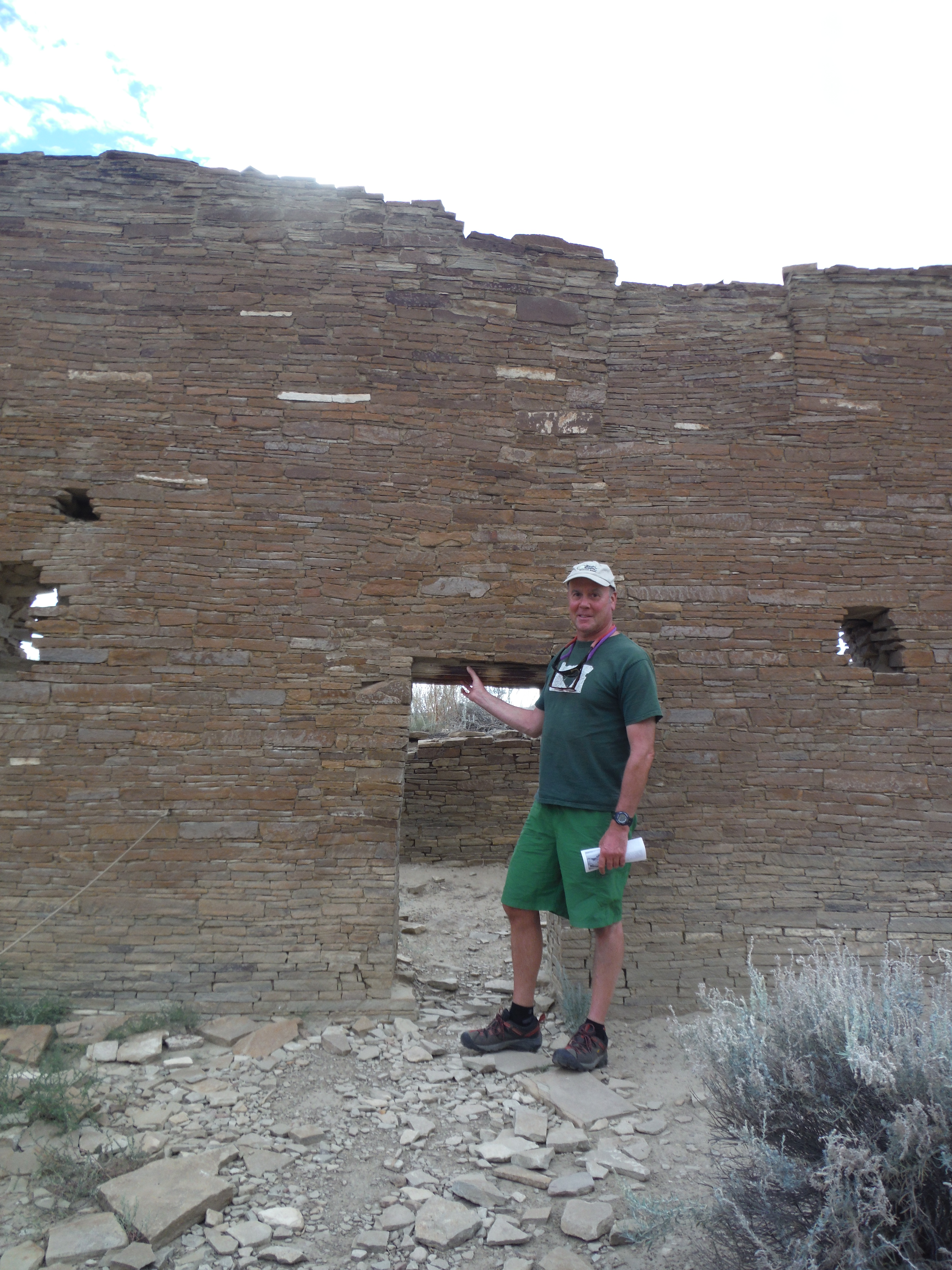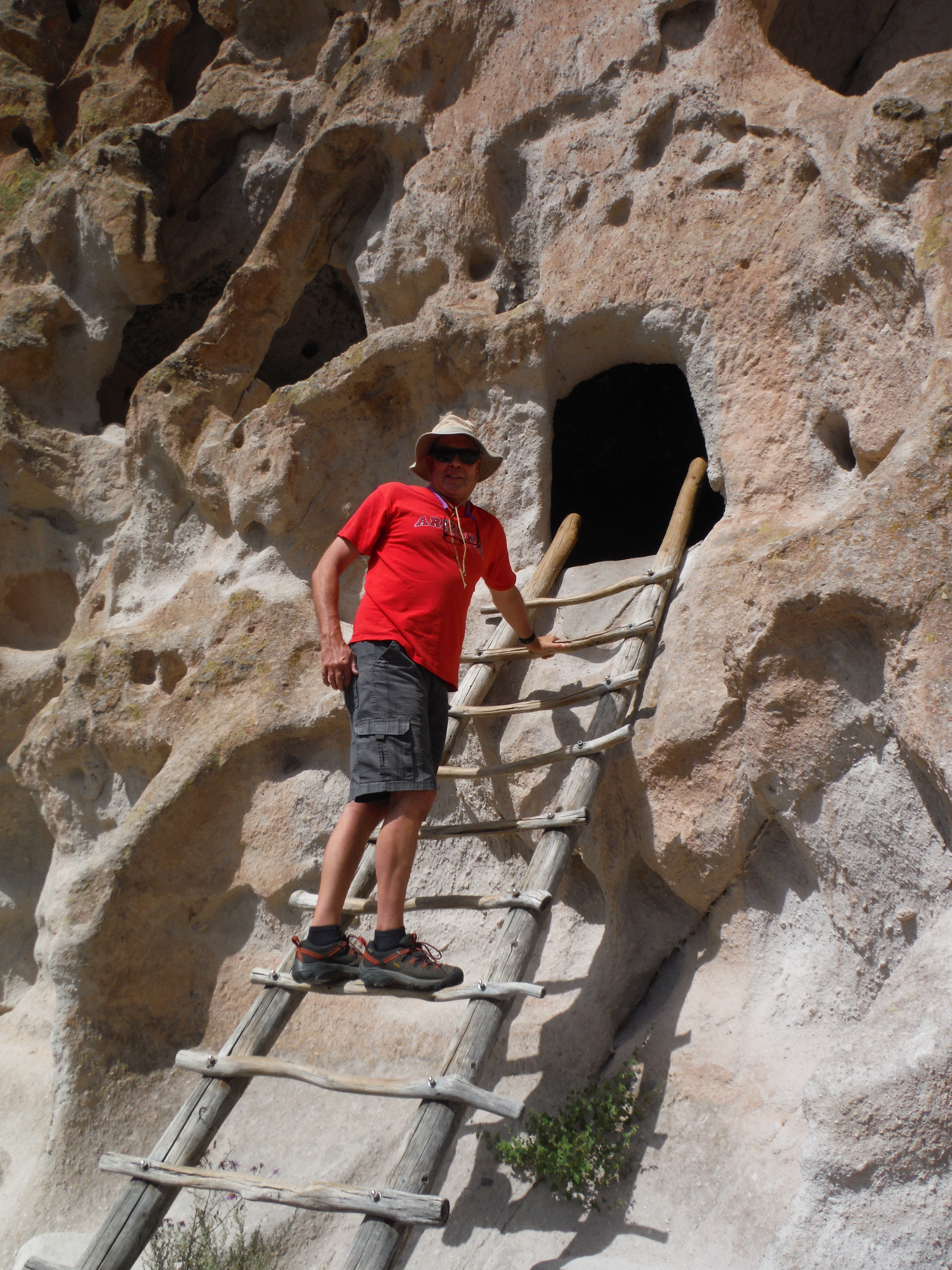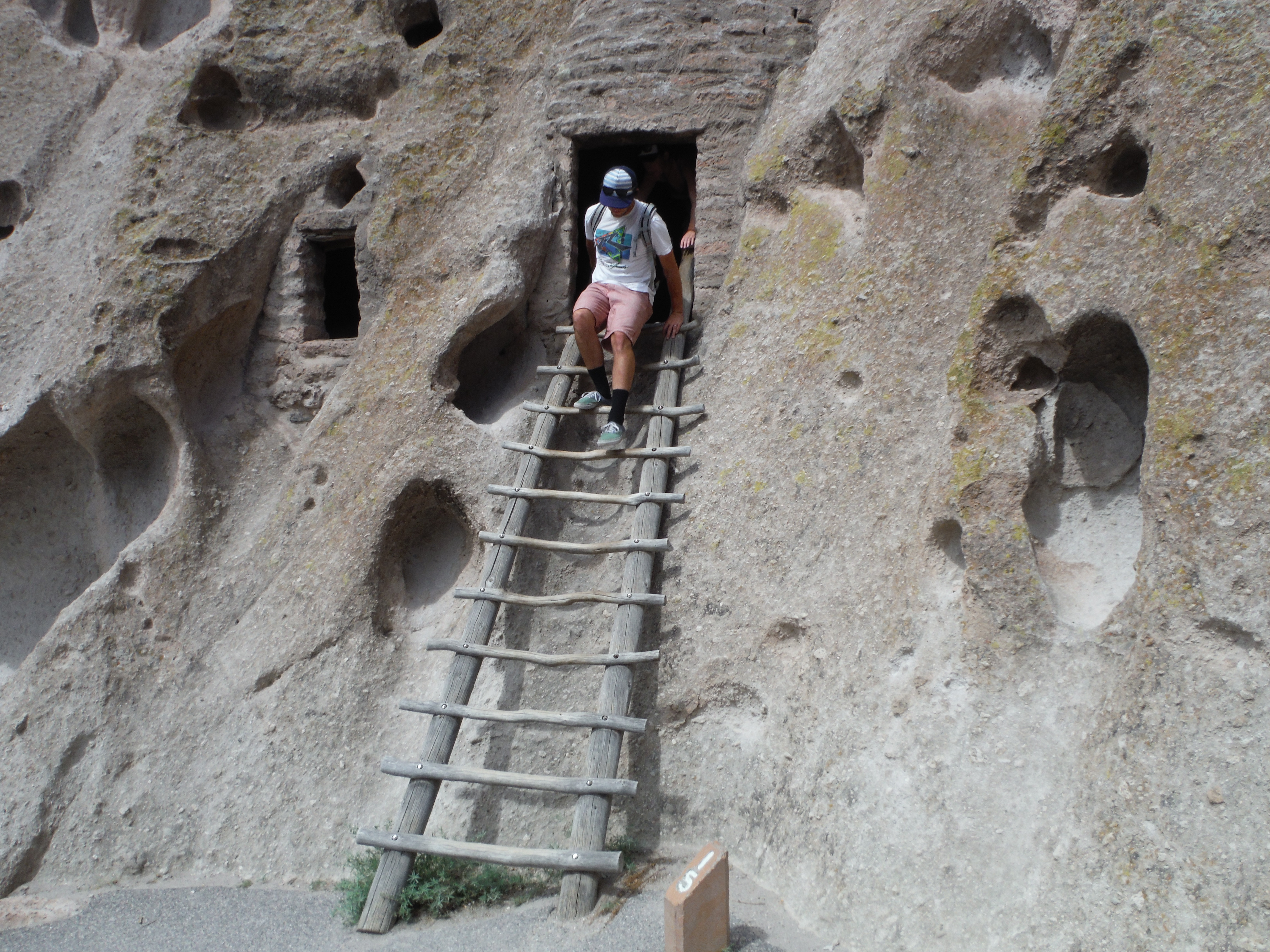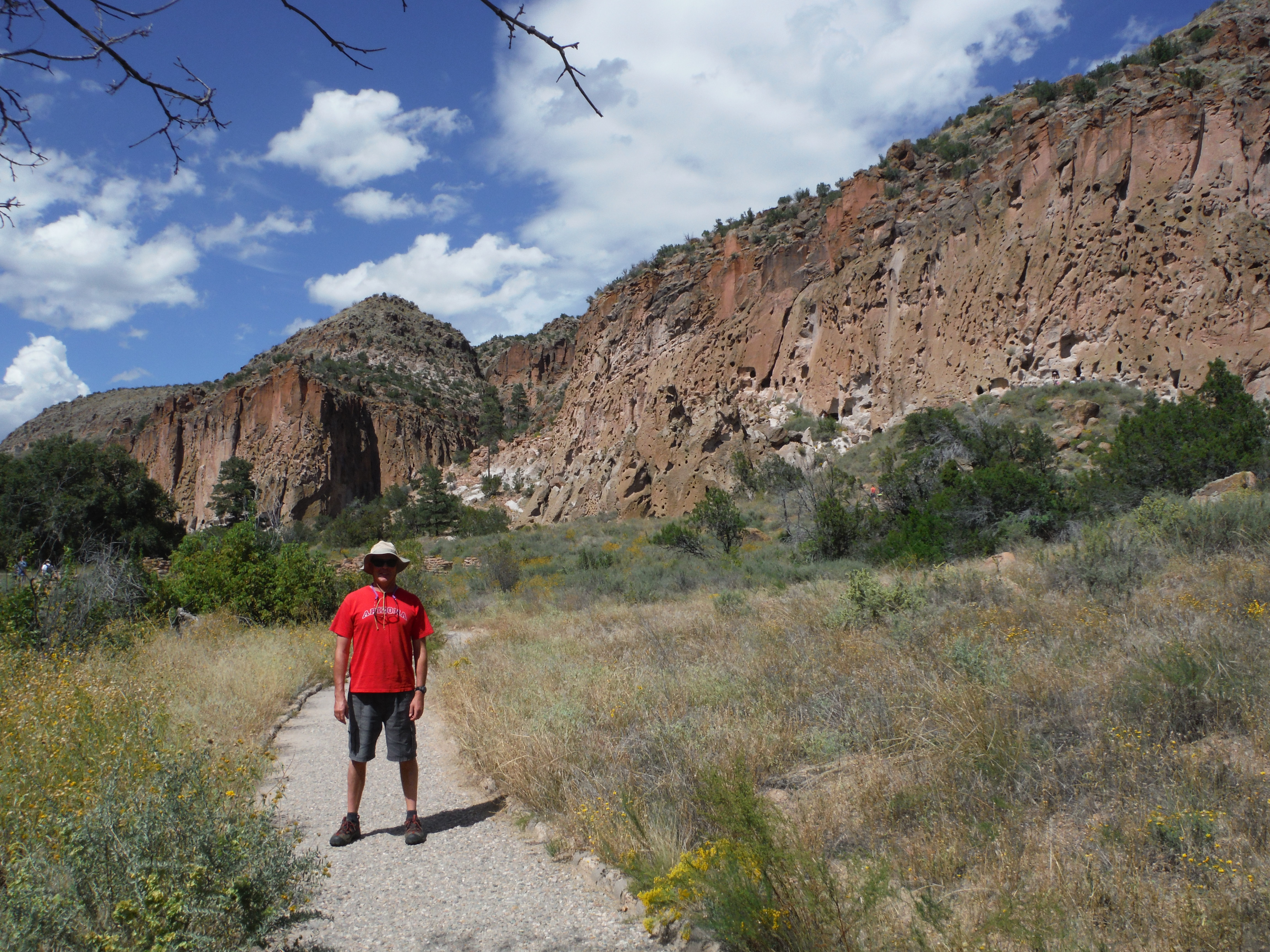
Journey thru Time at El Morro, New Mexico!

18 10 2015

DSCF1824Experiencing New Mexico’s historical heritage would not be complete without checking out El Morro! Simply put, El Morro is a gem. It’s not big, yet it’s packed with mind bending history, sweet hiking, views, and to top it off, it’s even got an 800-room Ancient Pueblo great house!

DSCF1826

What is El Morro? Well, it’s a bluff with a watering hole. In fact, for over a thousand years, this watering hole was the only known fresh water source for dozens of miles. That made El Morro a camping spot for travelers ranging from Ancient Pueblos to 17th Century Spanish Conquistadors to 19th Century settlers seeking a new life in America’s West.

el morro

Each of these peoples left their mark. The El Morro trail leaves the visitor center, leading to a watering hole at the base of the mesa. From there, the trail winds closely along the base of the mesa. This is where my mind began to get a bit blown away.

el morro

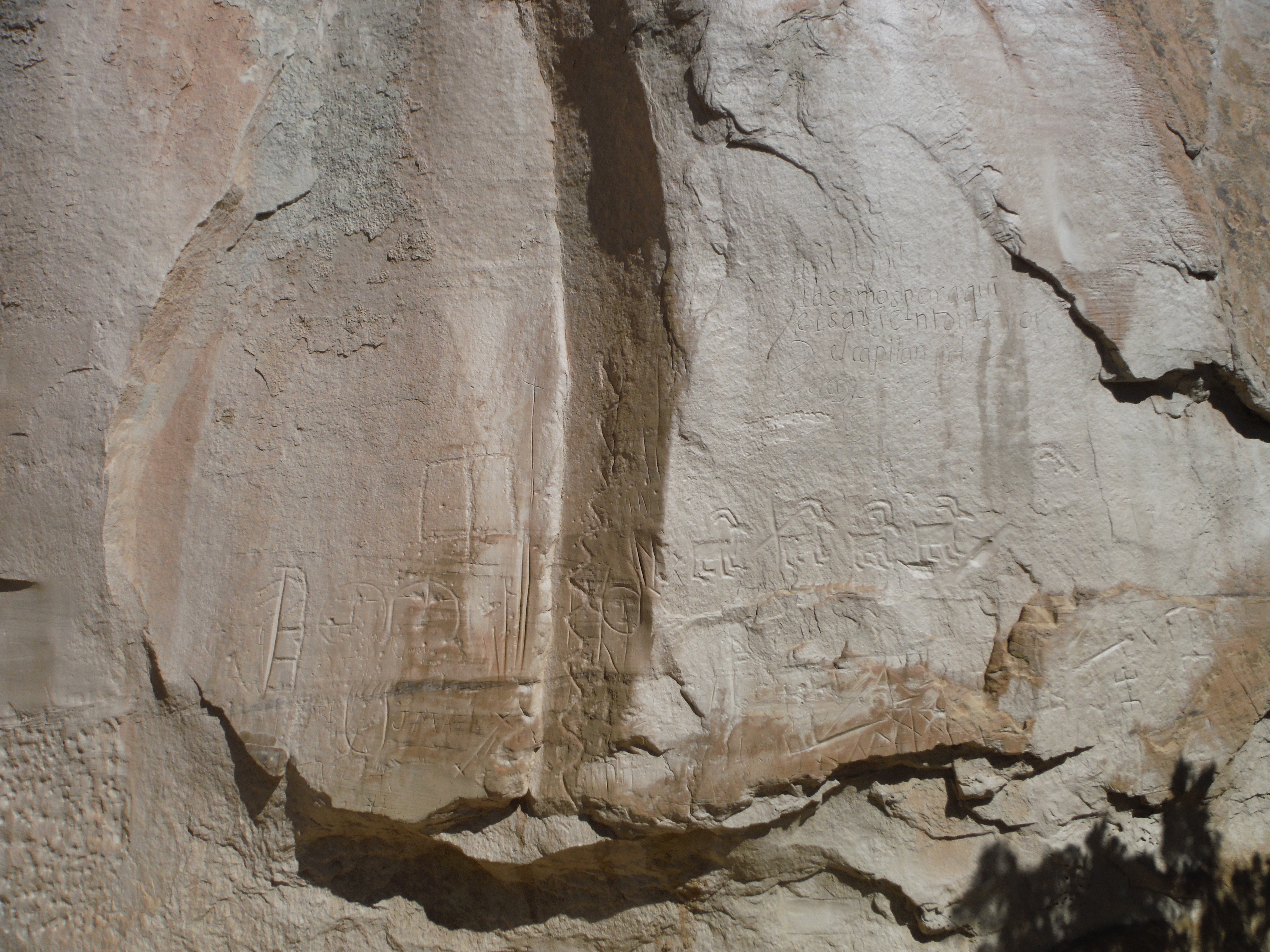
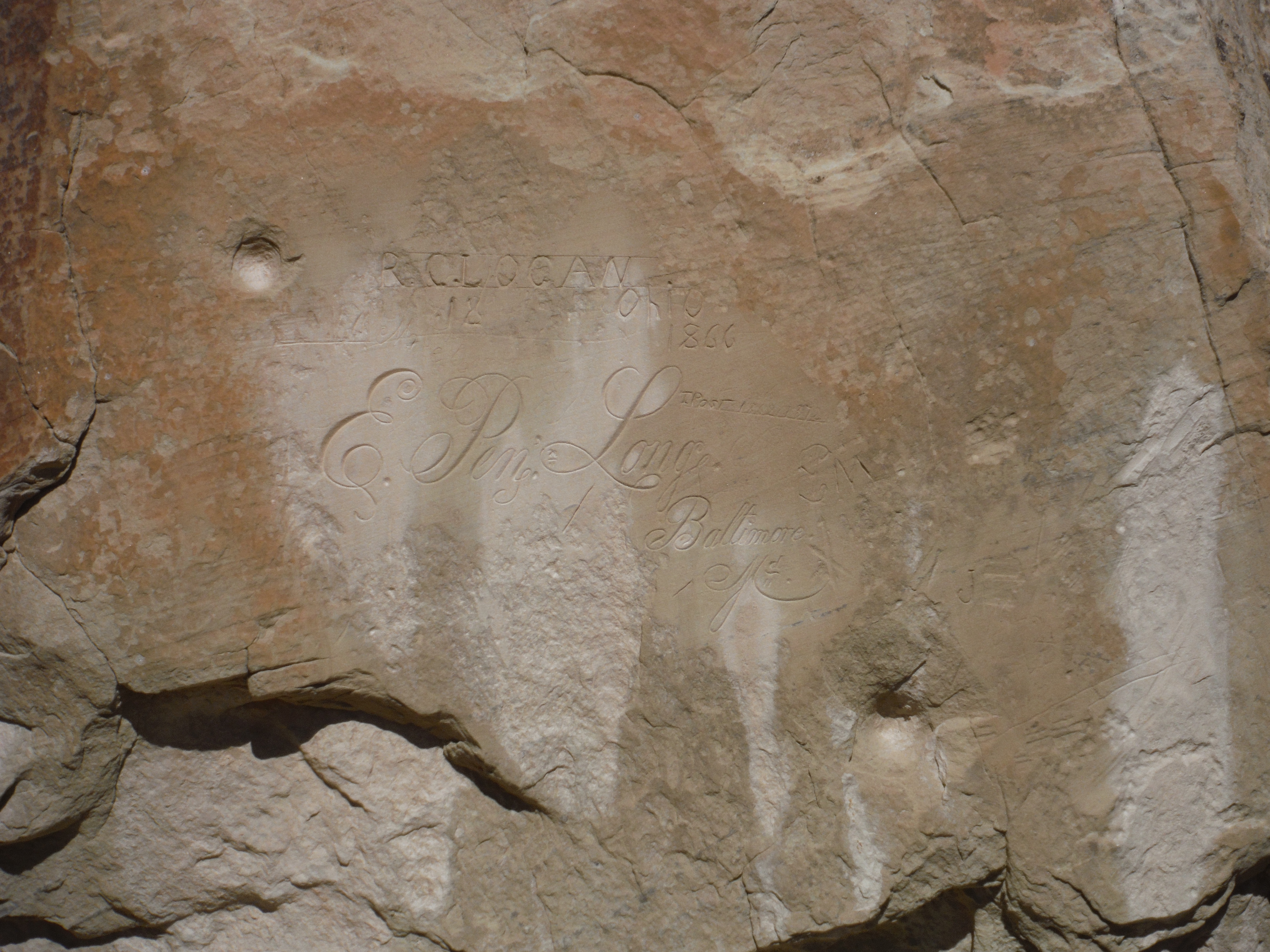
Starting with the Inscription Trail, all along the base of the 250-ft tall mesa I witnessed people’s autographs spanning a thousand years. The oldest scribblings are petroglyphs. There are over 2,000 of them! Some were by now familiar such as the snake. But there were new images – bighorn sheep, along with mythological creatures.

el morro

DSCF1841

Then I saw dozens of 19th Century inscriptions by settlers and army officers. But more amazing were Spanish inscriptions – the earliest I saw was 1609. Wow! That beats the founding of Plymouth Massachusetts by 11 years! Most of the names were men. But there was one woman who was in a battle with the Indians, was shot with an arrow, survived, and kept going.

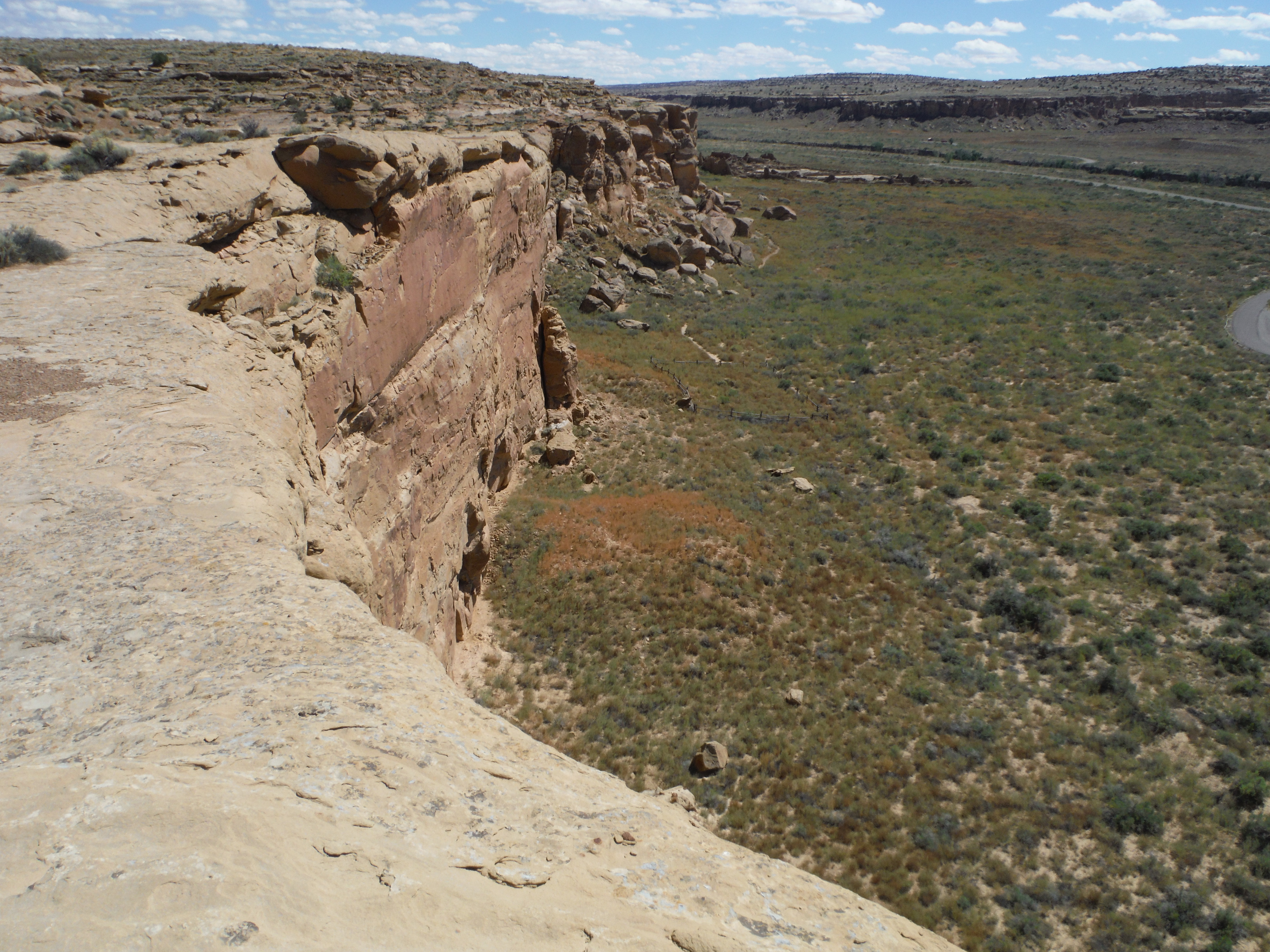
The trail winds around the back of the mesa, connecting to the Headlands Trail, then climbs up to the top – gaining some 250 feet. From there, the view of the valley is unparalleled. Up on top one can see the effects of rain on the geology. There were a few pools of water from recent rain, each one filled with mosquito larvae.

el morro, astinna

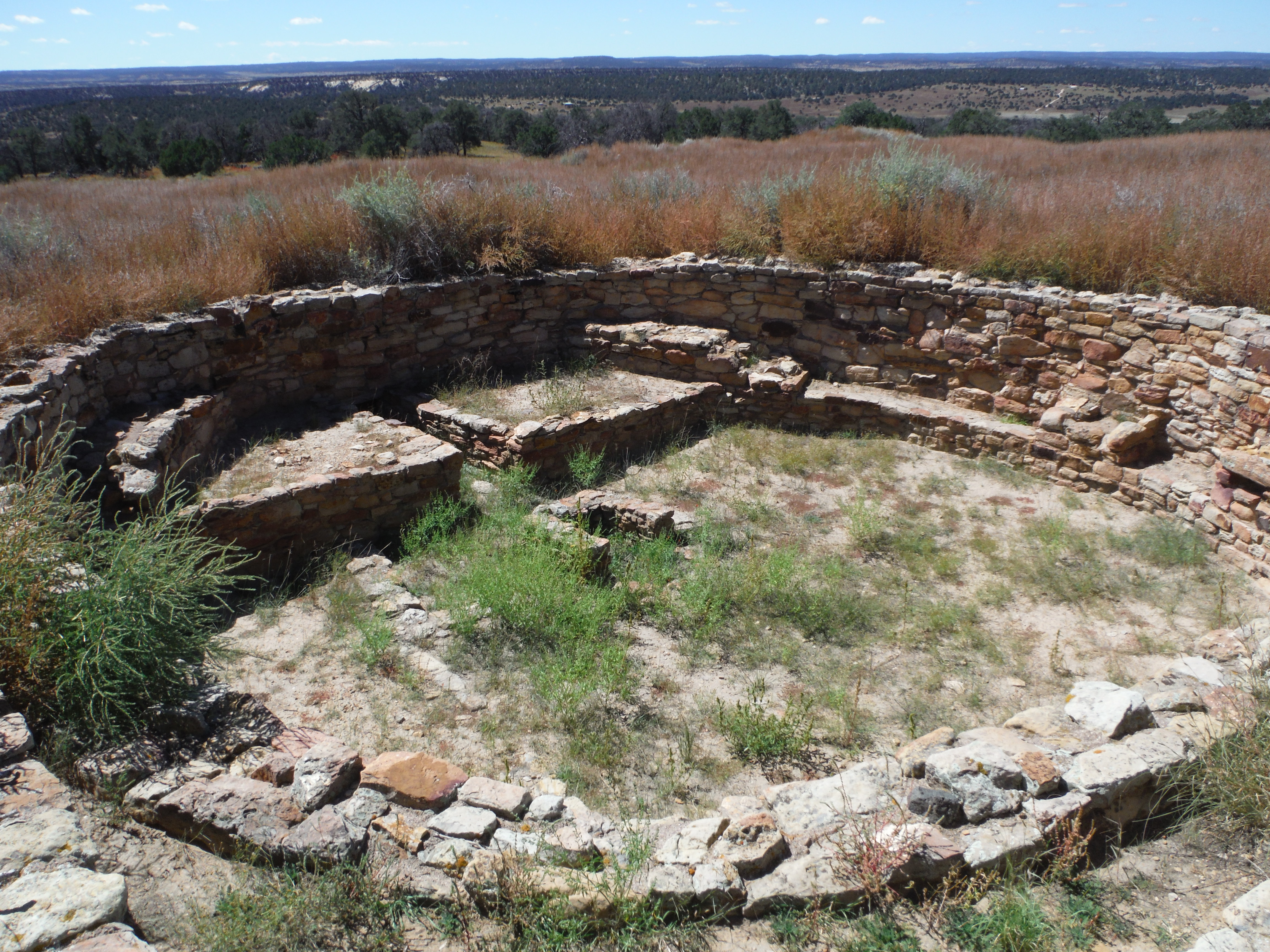
Eventually the summit trail leads to Astinna, an Ancient Pueblo great house with hundreds of rooms. Incredible! Even up here, hundreds lived out there lives. Astinna had 875 rooms and was home to 1,500 people! The town peaked about AD 1300.

In total, the hike is probably no more than three and a half miles, and totally worth it!


Chaco Canyon, New Mexico: Exploring the Magic and Spiritual

6 10 2015
A view from the trail on the canyon rim!

A view from the trail on the canyon rim!

Chaco Canyon is definitely the most significant example of ancient civilization in New Mexico, and probably the entire Southwest. I was uber excited to witness it! A United Nations World Heritage site, it is 11 miles long and 5 miles wide, and contains dozens of citadels each containing up to 800 rooms with up to 20 Kivas, or religious ceremonial centers. It’s also a nationally registered Dark Skies site. In Chaco, the stars seem an arms length away.

Ancient Puebo peoples from numerous tribes congregated at Chaco for seasonal and spiritual celebrations. None of these cultures had written language, so what we know is from oral traditions, stories, passed down to their ancestors – today’s Hopi, Navajo, etc. Anthropologists tell that Chaco was not a residential city. Although some people did live there temporarily to work on the buildings, they would eventually return to their villages many miles distant. Today’s SW Indian people see Chaco as an important waypoint on their tribal spiritual migration treks.
chaco canyon,pueblo bonito,new mexico,hiking

At Pueblo Bonito there are hundreds of rooms

Getting to Chaco is not for the faint of heart. While the site is a Federally managed area, with paved roads, the way there is fraught with challenges. The route passes through county, Federal, and tribal lands. It is 33 miles of paved, “maintained dirt,” and “unmaintained” road. It passes over dry river beds. While Chaco has campgrounds, there isn’t water within the park, except at the visitor center. Be prepared.

Chaco is a network of citadels, known as Great Houses, aligned along auspicious astronomical and directional lines. Buildings may constructed to align with the solstice, and Kivas may be aligned north-south, for example. These were built on the valley floor but also up high on ridges. Signal fires were lit to communicate important information up and down the valley. Incredibly, geological features enabled voice communication across the valley!

Building in Chaco is thought to have begun around A.D. 800, with the peak of construction about 1150. By 1050 Chaco was the center of influence in spiritual, economic and administrative matters for an area comprising SE Utah, SW Colorado, eastern Arizona and New Mexico. Advances in building technology is evident in the ruins.
chaco canyon,new mexico,hiking

The trail above, with stunning view, winds along, then climbs to Pueblo Alto Complex, another ancient town

One of my favorite things to do in Chaco is taking a hike. Some of the hikes climb the canyon walls, leading to more trails and citadels up above! The view is incredible. But then you come across a ruin!

We heard about the hike to Pueblo Alto, which is a complex on the canyon summit above. But how could we see it? The Ranger told us there is a trail leading up there.

We drove out to Pueblo del Arroyo, where there is parking and a trailhead. A self-issue back country permit must be completed.

We started the hike. Along the way, there are stakes indicating “trail.” Some of them are in unexpected places, like in rocks 10 or 15 feet above where I stood. So we just scrambled up to get to them.

Along the scramble, we glimpsed a number of petroglyphs etched into the canyon walls. One can see many things illustrated. Like familiar creatures such as snakes, spiders, or elk. But other creatures gone from the canyon are depicted, like bighorn sheep. And spiritual entities are pictured.

chaco canyon,petroglyphschaco canyon,petroglyphsBy far my highlight of the day was taking this hike above the valley floor.

The trail wound its way amongst boulders.

Then, the next “trail” stake was at the wall. I climbed up to it, and then, looking to my right, this “trail” seemed to climb up a crack in the valley wall to somewhere above.

chaco canyon

Scrambling up this slot leads to the top of the canyon, with a freaky beautiful trail up there!

I was in the lead, with Tully behind. I thought, “Well, what the heck!” What I didn’t know was what awaited above.

A careful stepping up the rocks led to the top of the canyon, where a relatively flat hike awaited – with an unlimited view!

One up there my emotions went from nervous to ecstatic. There is a whole world up there, which ancients walked for a thousand years. It is no wonder they held Chaco Canyon in spiritual reverence.

Chaco has Rangers that give informational talks, and we took advantage.
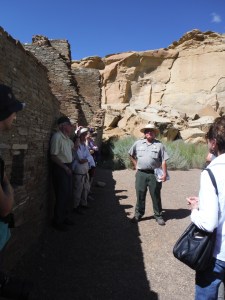
DSCF1820The ranger explained what is known about the Chaco culture, the geology, architecture. He took us amongst the ruins. We looked at Kivas and even wound our way through the multi storied “apartments!”

We spent one and a half days in Chaco. We stayed near Cuba, a town outside the entrance to the area.

My recommendation is to camp in Chaco, if you are up for that. Spend two nights there. That way, you can walk the trails up to the high citadels. The base is 6,200ft. Take full advantage of the night skies opportunities. The Visitor Center has Dark Skies presentations – it has an observatory!

DSCF1812DSCF1797

xx

xx


Learning the Ancient Ways: Bandelier National Monument, New Mexico

24 09 2015

bandelier national monument,new mexico,hiking,ancestral puebloI’d never been to New Mexico. So, when my friend Tully moved his family to Albuquerque and he offered to spend a week exploring, I jumped at the chance. We traveled north to Taos, and then west to Cuba, and then on to Grants.

On day one, on the way to Taos, we spent the afternoon in Bandelier National Monument – where you can hike trails to Ancient Pueblo ruins on the Frijoles Canyon floor, and climb inside cliff dwellings!

People have been living in the area for 10,000 years. The earliest peoples followed prey animals in and out of the canyon on a seasonal basis. Later, agriculture was developed, and a more stationary lifestyle ensued. By 1200 AD, construction of 40-room “great houses,” and cliff dwellings was at its peak.

All along the north valley wall there is evidence of many homes. The valley is north-south aligned, and the north wall gets precious warming sun – especially in winter. So all the homes are on the north side. Some are still standing today, and I walked amongst them, and climbed ladders to peek inside. There remains black soot on some of the ceilings from fires.

The Ancestral Pueblo people did not use written language, so there is no written evidence of their culture, other than petroglyphs carved into the canyon walls. petroglyph

The petroglyphs depict Thunderbirds, parrots, bighorn sheep, snakes, and more. The Pueblo people carried on their stories, religion and traditions through singing and story-telling. Much of what we know comes from the oral tradition practiced by today’s Pueblo people. These people lived in villages spread out amongst New Mexico, SW Colorado, and Arizona.

Tyuonyi Plaza,bandelier national monument

Tyuonyi Plaza

Archeologists have discovered 3,000 sites here, but these were not occupied at the same time. As time went on, people tended to gather in villages and plazas. The largest is Tyuonyi, which may have had 600 rooms. Special rooms for religious ceremonies are called Kivas. Kivas are built into the ground and are round.

DSCF1774

Bandelier National Monument is about two hours from Albuquerque, New Mexico. The entire monument is much larger than the valley, however, and has 70 miles of trails for backpacking and hiking.

DSCF1764So whether you are interested in the ancient culture, or want to get out into nature via backpacking, Bandelier offers both.

In the next blog post I’ll cover Chaco Canyon!


Backpacking to Mt. Jefferson and Jefferson Park

3 09 2015
Jefferson Park,Mt Jefferson,backpacking oregon,hiking oregon

Russell Lake – Mt Jefferson fills the sky!

One of Oregon’s wonders is Jefferson Park, and Laura and I recently hiked the Whitewater Ridge Trail to spend a couple of Eden-like days in its splendor!

A dormant 10,495ft high volcano, Mt. Jefferson is Oregon’s 2nd highest peak. It sports five glaciers. And sitting just below its northeast side is Jefferson Park – a square mile plateau sprinkled with wildflower meadows and brilliant lakes.

Laura and I backpacked about six miles up 1,800 vertical feet up the Whitewater Ridge Trail to reach it. The day we hiked, it was 85 degrees at the trailhead. Much of the route is exposed to the sun – with beautiful views, but on our day the heat and effort were what dominated our trip up.

Rod Richards,backpacking oregon,hiking oregon,jefferson park,mt jefferson

Now we just need to find a campsite!

But once at Jefferson Park any suffering we endured melted away amongst the sheer majesty of the place. Because once you have arrived, every view is dominated by Mother Nature’s spectacle. Look one way and the mountain covers the sky 180 degrees. Look everywhere and you see carpets of green, plus wildflowers and twinkling lakes. The biggest lakes are Russell, Scout and Bays, then there are smaller ones like Park Lake or Rockpile Lake

bays lake,mt jefferson,jefferson park

Bays Lake – Dive Right In!

Jefferson Park is a protected area within the Mt Jefferson Wilderness, and there are maybe two dozen designated campsites throughout. It’s very popular so some of it has been marked off limits for the land to recover. It’s all alpine flora, which is super delicate.

We’re trying to find my old favorite spot on Bays Lake. But it’s occupied, so we opt for a spot on Scout Lake. We’ve got nothing to complain about with our view.

Laura enjoying the warm sun

Laura enjoying the warm sun

And Laura has no problems settling into the routine. Before long she’s relaxing reading a book on Tibetan Buddhism in the fading afternoon sun.

We take a bit of time to explore the plateau. We head north up to the Russell Lake area. It’s a ways but worth the effort. We decide to return there the following day. There are not many wildflowers as times I have been here before, because in 2015 we have a severe drought. The wildflower season came very early. But on the other hand, huckleberries are everywhere! We collect huckleberries for breakfast.

huckleberries

These will be good at breakfast!

Then it was back to camp for dinner. I brought a quick fix rice side and blended it with cooked chicken. It looked huge but I ate all of it. Laura had simple cheese, crackers and some meat like sausage.

It was a beautiful evening. Starry and windless. I slept very well.

I awoke to a rosy dawn, and made hot water for coffee or tea. Those huckleberries went well with my oats and yogurt.

scout lake,jefferson park,mt jefferson,backpacking oregon

Our campsite view on Scout Lake

Hunger satisfied, we headed out for an exploratory hike checking out the area, and the first destination was Russell Lake. It’s about a mile north from our camp at Scout Lake, a completely flat trail meandering along the meadows, passing through islands of trees. We could see that a few weeks earlier it was a carpet of wildflowers everywhere.

Once we reached Russell Lake, we took a trail around the lake. We encountered campers, everyone gushing about how beautiful this place is. It was on the northern fringe of the lake where we found a micro-zone ecosystem with a view to knock our socks off.

The stream into Russell Lake

The stream into Russell Lake

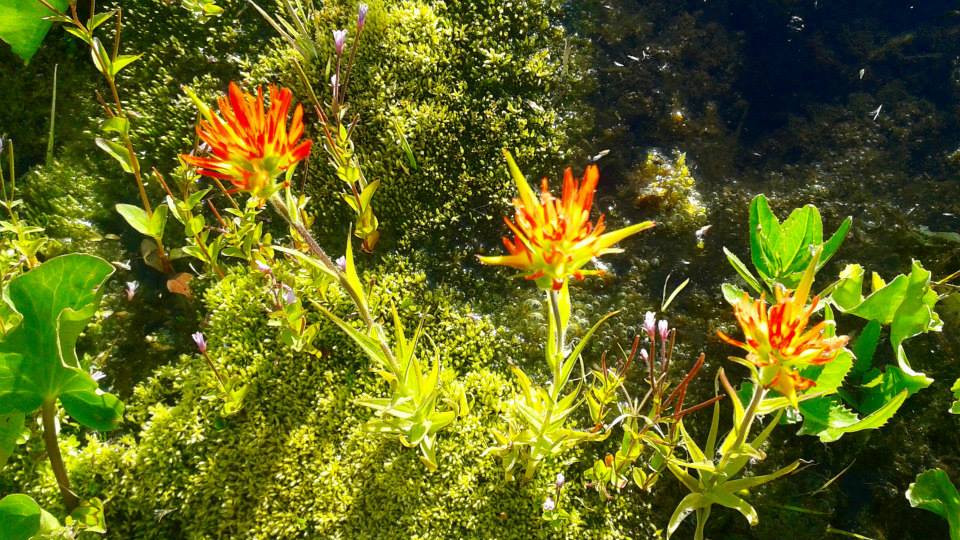
There, a three-foot-wide stream meanders across the meadow before entering Russell Lake. It wets the soil enough to allow wildflowers to continue blooming along its path. And in the stream, we glimpsed frogs and minnows.

There was Indian Paintbrush, Lupine and several other species of wildflowers I couldn’t identify.

We spent a half hour taking pictures and examining this micro eco system.

Russell Lake Indian PaintbrushIt was so profound that just a bit of extra moisture kept this area lush with life, with an extended season, long after other parts of the meadows had gone to seed.

Russell Lake Stream3

Later, we headed over to Bays Lake for a swim. Bays lake has lots of boulders and it’s deep. We dove in and swam across, back and forth, revelling in the warm water and the beauty! We both decided to bring more friends up here in the future. It’s too beatiful and it’s got to be shared!

Following the evening meal another rock solid sleep.

The following morning, it was time to head out. The trail now would be all down, much faster and easier. We passed by several groups, pretty diverse! Some retirees, and I swear a lady over 80. And three kids, followed 5-minutes later by mom toting an Everest expedition sized 70 pound pack for all of them! Cheers for her!

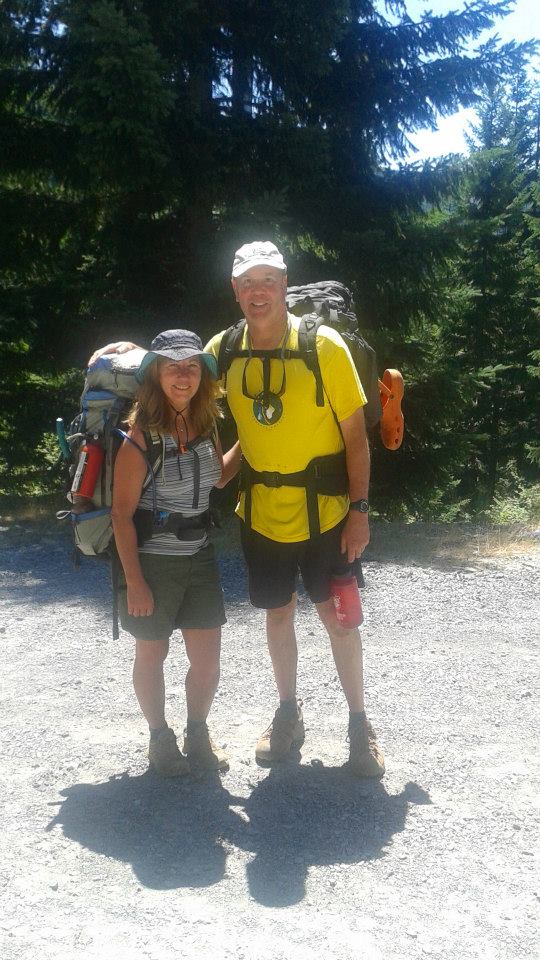
Well, here is a victory photo. A trip well done! We’ll be back.

Rod Laura trails end portrait


Rowena Crest – Columbia Gorge: Carpets of Wildflowers and What a View!

14 04 2015
rowena crest,mosier,columbia gorge,hiking,wildflowers,lupine,balsamrot,columbia river highway

Balsamroot and lupine everywhere

In the spring, head just east of the Cascades in the Columbia Gorge, and take historic highway 30 up to Rowena Crest – and you will be dazzled with unlimited views and wildflowers stretching to the horizon! I was impressed with the wildflowers over at Lyle, Washington, just across the river, and I was anxious to check out the Oregon side. I went out there with my friend Jessie and we were treated with a huge display – especially of the yellow balsamroot.rowena crest trail,hiking,columbia river gorge

Oregon’s Historic Columbia River Highway leads up to Rowena Crest trailhead. Once there, it’s not a hard hike to the views and wildflowers. It’s utterly fantastic. Unlike Lyle, where you have to hike 1,100 feet up to get to the top, you arrive already up there. The hike round trip to the view point is only about 1.5 miles, and it’s full of fields blanketed with wildflowers and littered here and there with ponds. At this time of year the parking is busy but once on the trail, we found solitude.

The area is atop a gently rolling landscape. The geology here is a full of exposed geologic history. It’s a history steeped in cataclysms of a planetary scale. A hike to the edge reveals a pancaked landscape – steppes of lava – carved out by the Columbia river 1,000 feet below. And now for some jaw-dropping history!

rowena crest,tom mccall preserve,hiking,oregon,wildflowers,columbia gorge

Looking east from Rowena Crest Oregon.

Millions of years ago, in Eastern Oregon, basaltic lava flowed in a series of 300 eruptions over thousands of years. They are known as the Columbia River Flood Basalts, and they covered an area stretching from Idaho to Washington and Oregon – in some areas the total thickness reaches 9,000ft! The flows reached the Pacific. They were so big that they filled entire valleys and some of the Eastern Oregon mountains like the Elkhorns or Blues are just the tops. In between flows, Cascade volcanoes erupted depositing 20 foot layers of ash. This can all be viewed along the Columbia Gorge. More recently ice ages shaped this land. During a recent ice age, an ice dam formed near Missoula, Montana, forming a lake the size of Lake Erie and Ontario combined. Periodically that dam broke, sending water and chunks of ice down the Columbia River Gorge all the way to the Ocean. This scoured the Gorge. It all makes for a fascinating view.

But we were here for wildflowers! Along the trail lots of lupine, which had not come into full bloom, but also blooming balsamroot.

Jessie takes some macro shots

Jessie takes some macro shots

There were other wildflowers, like buttercup, and several others I cannot name. Some were tiny, delicate and pink.

I saw two bachelor buttons – only two along the trail. I guessed that more will come into season as spring rolls on.

bachelor button,hiking,columbia gorge,rowena crest

Bachelor button

There was also a patch of May Bounty – each like a microscopic daisy.

may bounty,mosier,oregon,hiking,rowena crest,columbia river gorge

May bounty

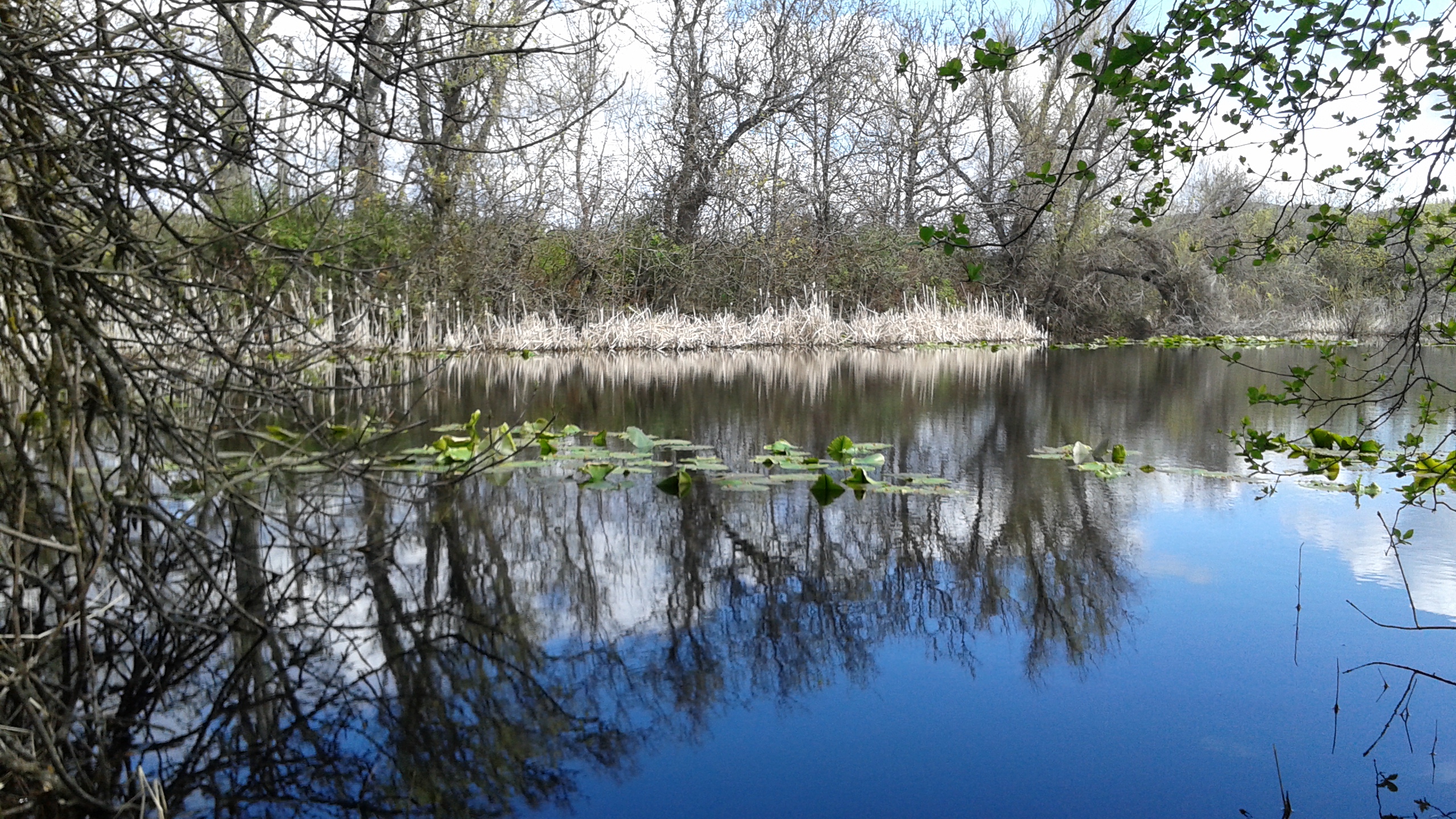
The plateau is also home to some ponds complete with their own tiny ecosystems. Each pond comes complete with frogs, tadpoles, salamanders, crickets, trees, lily pads, red-winged blackbirds and reeds.

rowena crest,mosier,oregon,hiking,red winged blackbirds,pond

Sit quietly and listen to the frogs, crickets and red-wing blackbirds!

In sum, a visit to Oregon’s Columbia Gorge in the Mosier area is a must-see experience in the spring. Wildflowers area out earlier out there, and chances are a cloudy day west of the Cascades will be drier. A refreshing break!


Columbia Gorge Wildflower Hike – Lyle Orchards!

11 04 2015

It’s Apcolumbia gorge,hiking,lyle,lyle orchardril in Portland, OR, and this year’s warmer, drier winter has made for early wildflowers in the eastern end of the Columbia Gorge! With a window of nice weather Laura and I headed out east of the Cascades, where wildflowers carpet the sides of the valley. Laura found a less-frequented hike on the Washington State side, named Lyle Orchard. It’s about 5 miles round trip and climbs to 1,100ft – which offers a spectacular view of the Gorge and the flowers.

The trail is maintained by the Friends of the Columbia River Gorge. At trailhead, there is a welcome sign that has a slew of unpleasant warnings. lyle orchard trail,cherry orchard trail,lyle,washington,hiking,columbia gorge hiking

Take your pick. Rattlesnakes? Ticks? Cliff falls? Or poison oak? While beautiful, this trail has its perils, and the poison oak is the most obvious, as it is virtually everywhere.

poison oak,columbia gorge,lyle washington,cherry orchard trail, hiking,

Poison Oak

The trail climbs steeply through a scrubby forest. Even at lower elevation, Wildflowers are popping out all over. IMG_0103

I heeded the tick and poison oak warnings. And I only had shorts on. So I ensured I didn’t brush against any of the waxy-rusty looking leaves. It didn’t take long for the trail to open up into more and more open meadows. And the further we rose, the more flowers we glimpsed.

laura bieber,columbia gorge,hiking,washington,lyle,cherry orchard hike,washington

Laura revels in flowers!

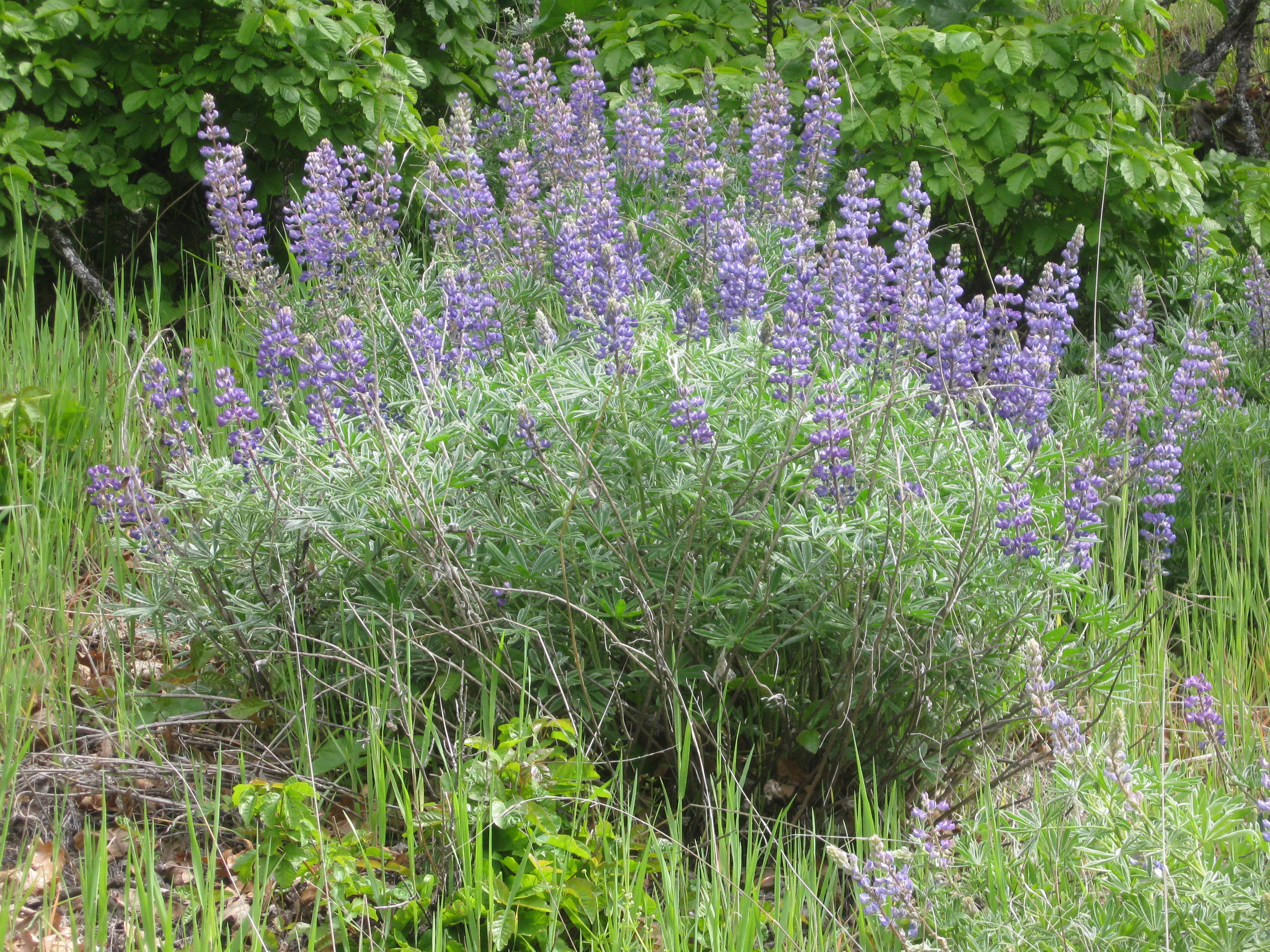
Lower down blue colored lupine appeared.

There were buttercups. We saw bear grass.

lupine,columbia river gorge,hiking,lyle,cherry orchard trail

Lupine

And higher up, carpets of yellow balsamroot flowers splashed the hillside.

balsamrood,columbia river gorge,cherry orchard trail,lyle,hiking

Balsamroot

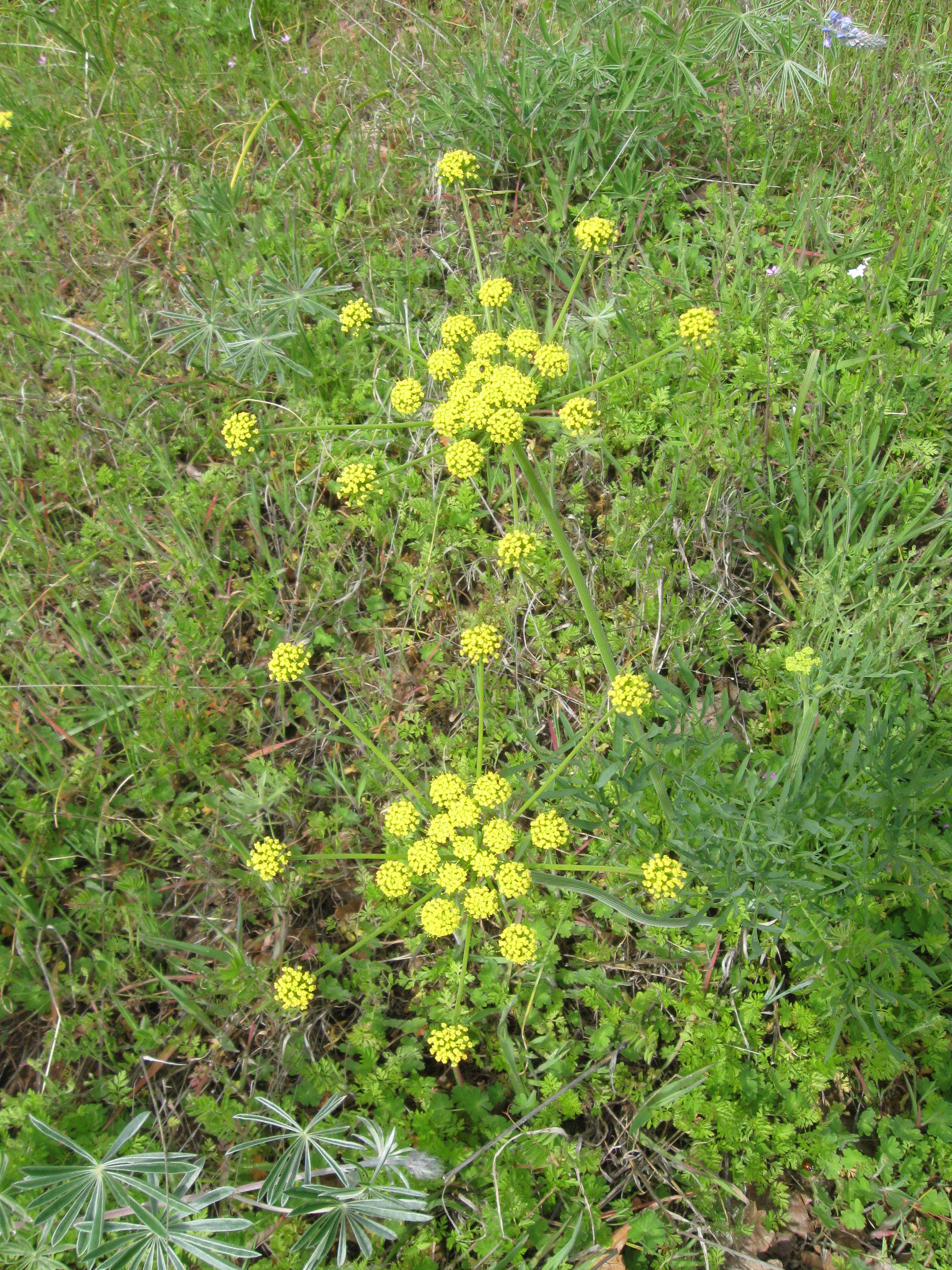
Suksdorf's Desert Parsley

Suksdorf’s Desert Parsley

IMG_0116 Laura Winding Trail

I found the 1,000ft elevation gain a good workout. And it’s not terribly long. I got a good sweat going.

There are wineries in the area. So before you go, you might want to Google wineries near Lyle, Washington. On our return, we visited the Domaine Pouillon Winery.

Laura purchased two cases of wine at 50% off! Awesome deal.

How to get to the trailhead: Take I-84 East out of Portland. At Cascade Locks, Cross The Bridge of the Gods and head east on WA-14 past Stevenson, then Bingen, then Lyle – and east of Lyle there will be two tunnels one right after the other. The unmarked trailhead and parking lot is the next left after the 2nd tunnel.

Well worth a visit!