Our overnight train from Cairo to Aswan arrived about 9 a.m. I’ve experienced various 3rd World overnight trains. In Vietnam, Thailand, and now Egypt. All three had the end-of-the-car restroom and toilet, which, when one opens the lid, the wind rushes up and the railroad ties fly by below. I’d rank Thailand 1st, Egypt a distant 2nd, and Vietnam 3rd. This one was a 1950’s Soviet bloc built version. The cabin had double windows, which partially filled in with Sahara sand. It was stop and go all night. We weren’t completely rested, but we were ready to tuck into our riverside hotel in Aswan and head out to visit Philae Temple.
We had maybe 90 minutes to settle into our rooms. Once showered, I took time to sit out on the balcony. Watching the scene of the Nile, lined with palms, fellucca dhows lazily sailing, a dry, gentle breeze, and unhurried traffic, I knew Aswan agreed with me. It is a scene from Hollywood-and yes, it really is a scene from Hollywood! 1978’s Death on the Nile was filmed right here!
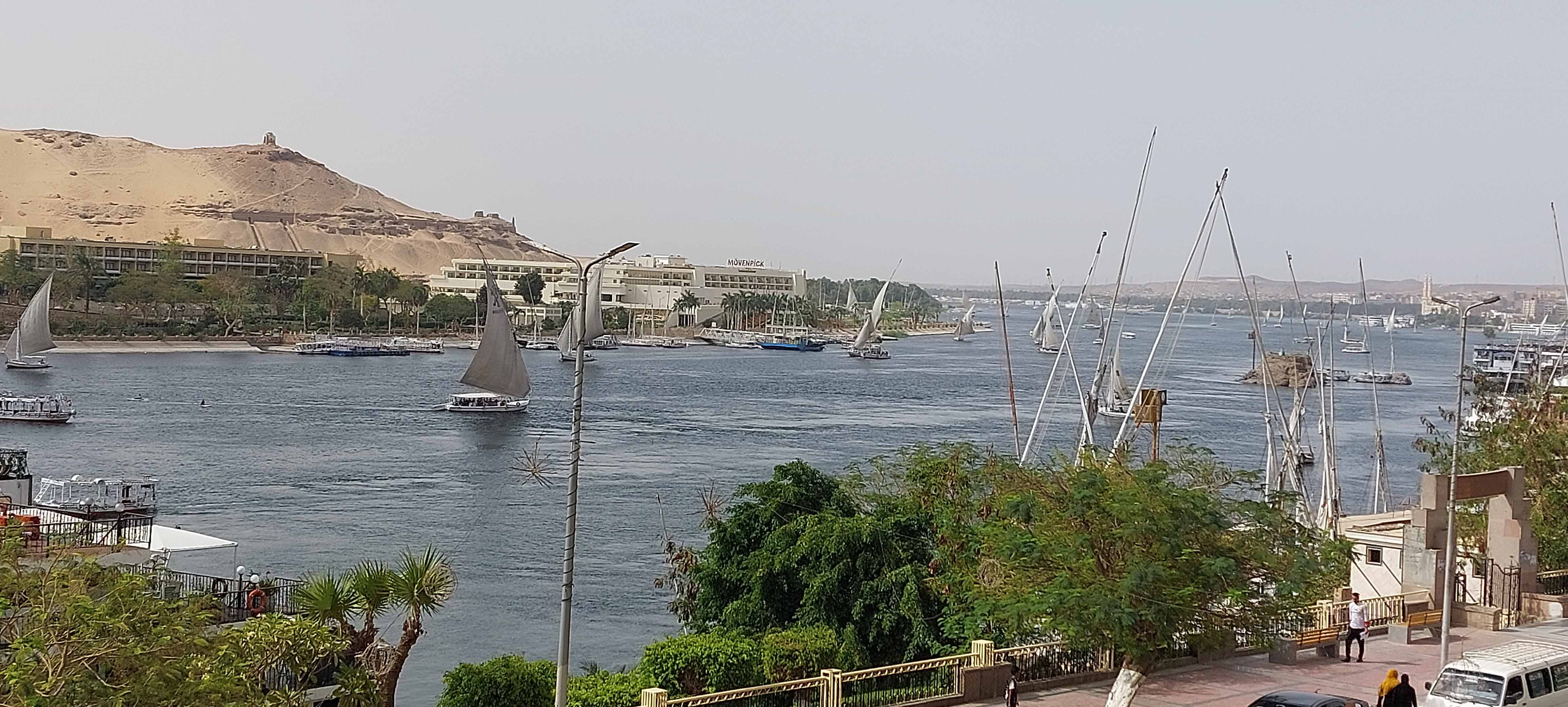
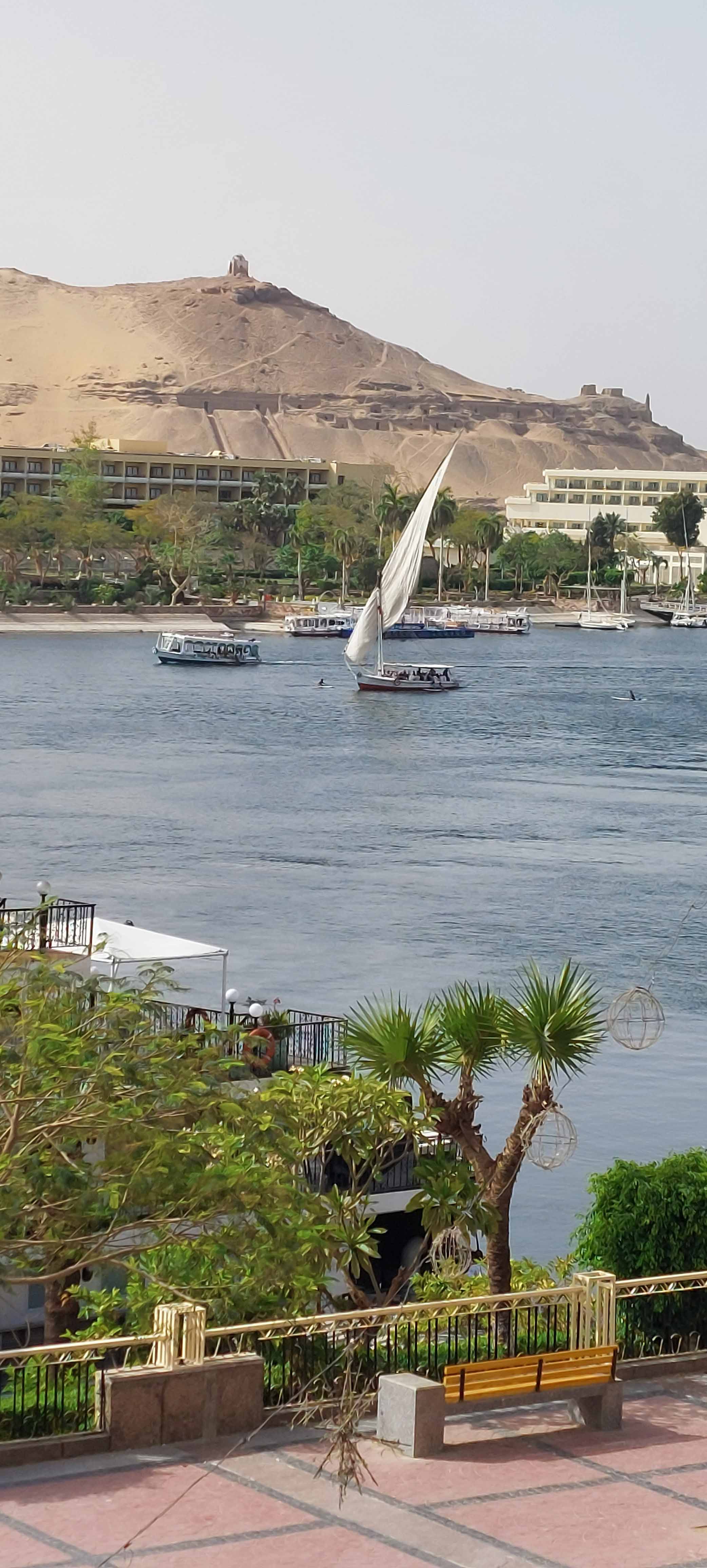

Today’s highlight was exploring the Isis Temple at Philae. It must be reached by boat. Once underway I was simply blown away at the sight of a beautiful, huge temple on the water with palm trees all around!
Philae is a reconstructed temple. It was originally on a lower island, which was submerged when they built the Aswan Dam. It was so important that UNESCO disassembled block by block and then reassembled it on this current higher elevation island. It is dedicated to Isis, one of the most important Ancient Egyptian deities. She was both brother and wife of Osiris, and mother of Horus. She was a goddess of magic, healing, and motherhood. It was believed she could bring the dead to life, as she did in the epic tale of Set-Osiris-Horus. She was one of the most popular goddesses during the Roman era. Archeologists date the earliest construction of the temple around 360 BCE. It is of the Greco-Roman period.
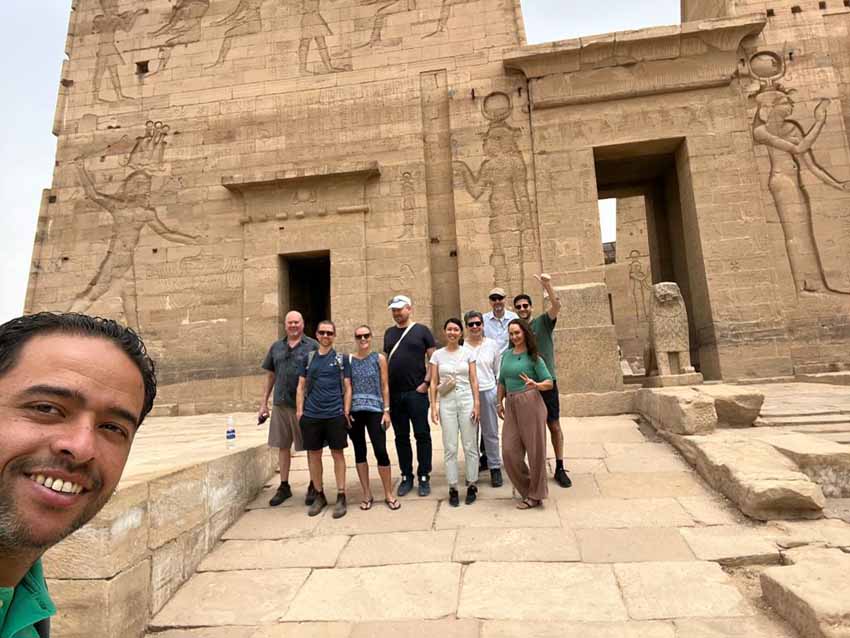
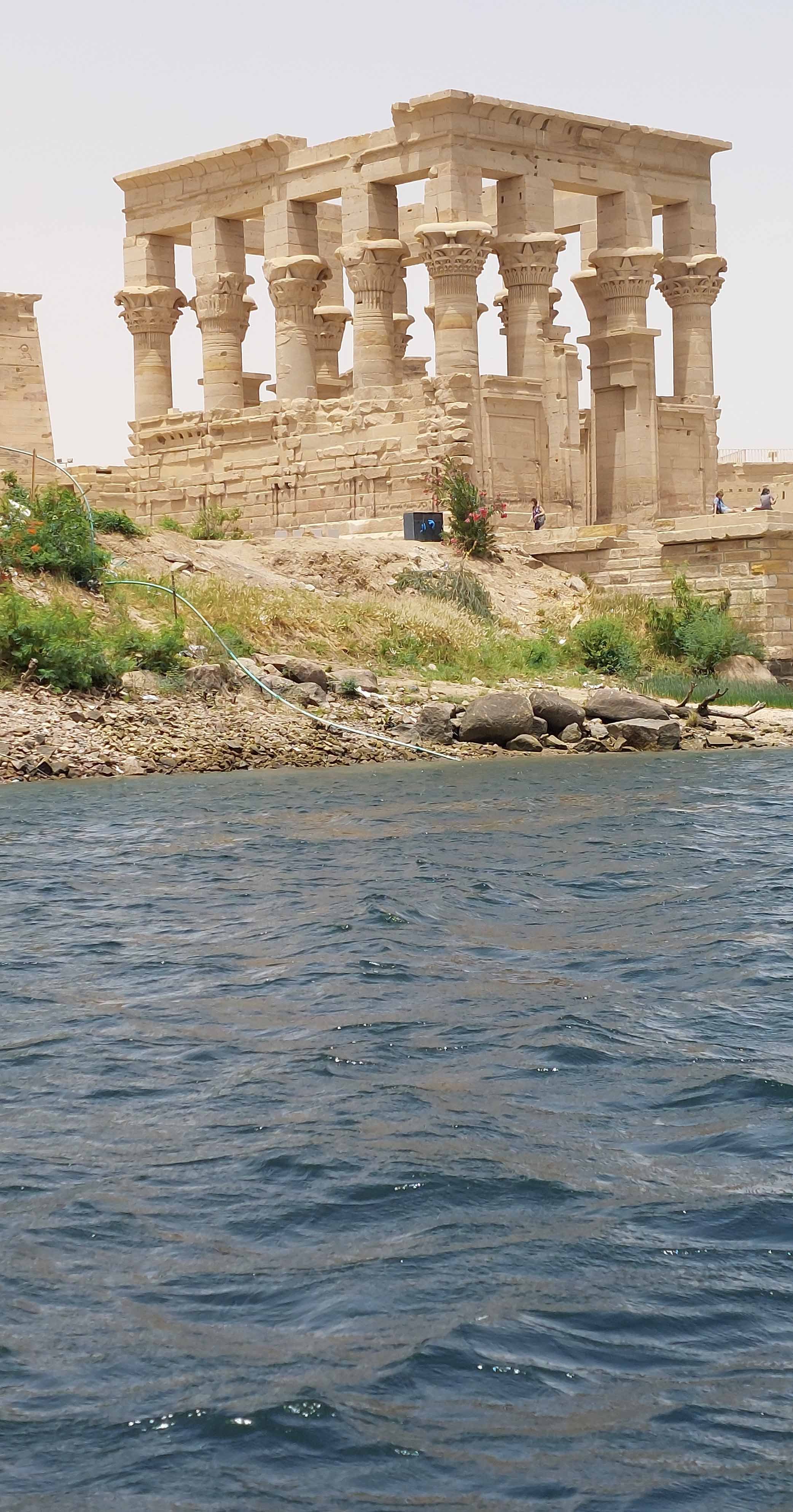


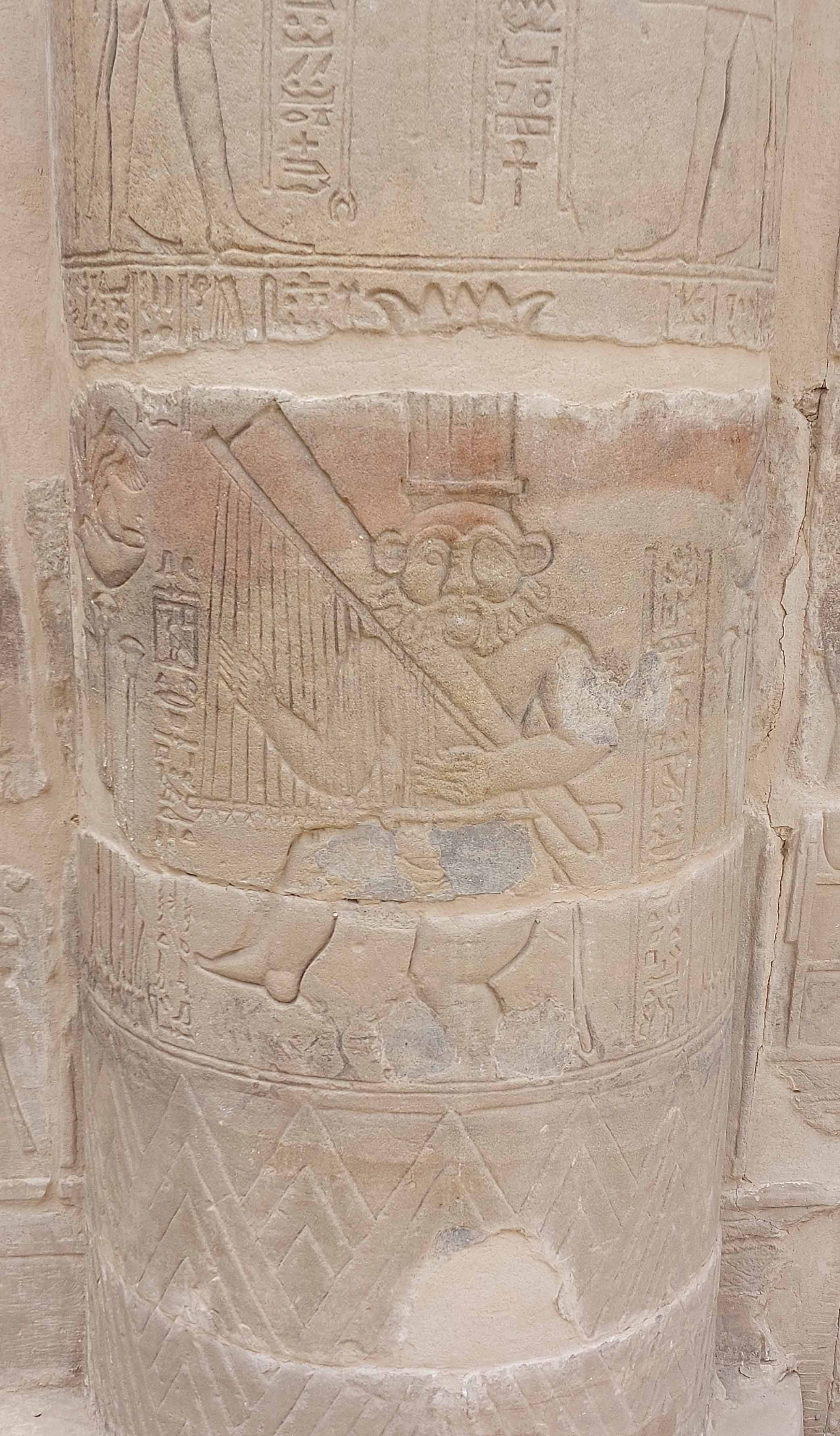
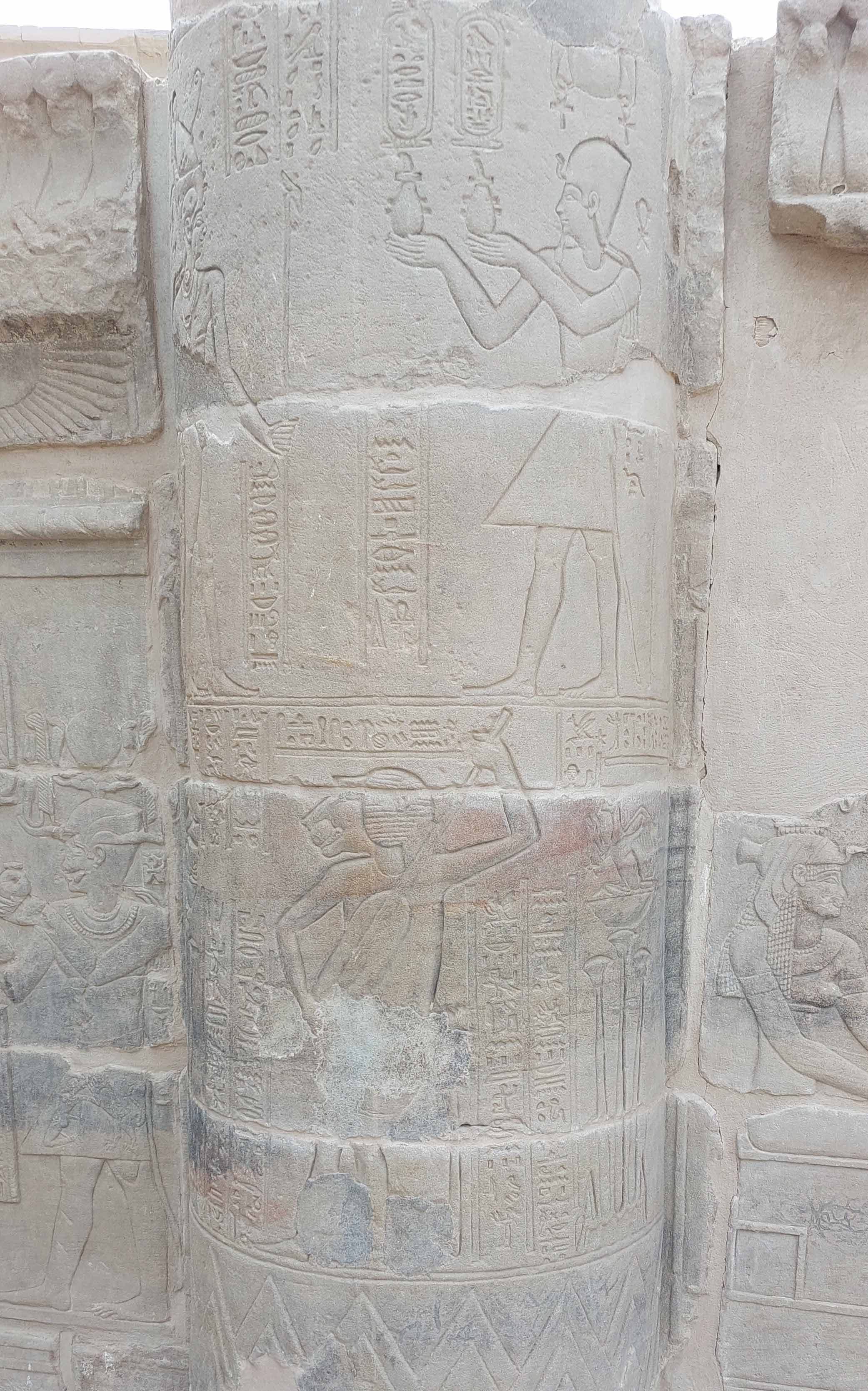
I was very impressed! Many scenes of kings and gods and goddesses. Around the side, there is a much smaller temple dedicated to the goddess Hathor. She was the goddess of women, love, sensuality, dance and music. On its walls there are carved images of harps, flutes, and a stringed instrument being played.


 Cabin Fever Chronicles - Getting Outdoors with Rod