 The day’s agenda was to see Monet’s city-block-long water lillies paintings at the Orangerie Museum and take in the city the slow way, on foot. I had an 11:00 entrance ticket, so, after breakfast, I set off from the B Montmartre Hotel – it would be a little over 30 minute walk.
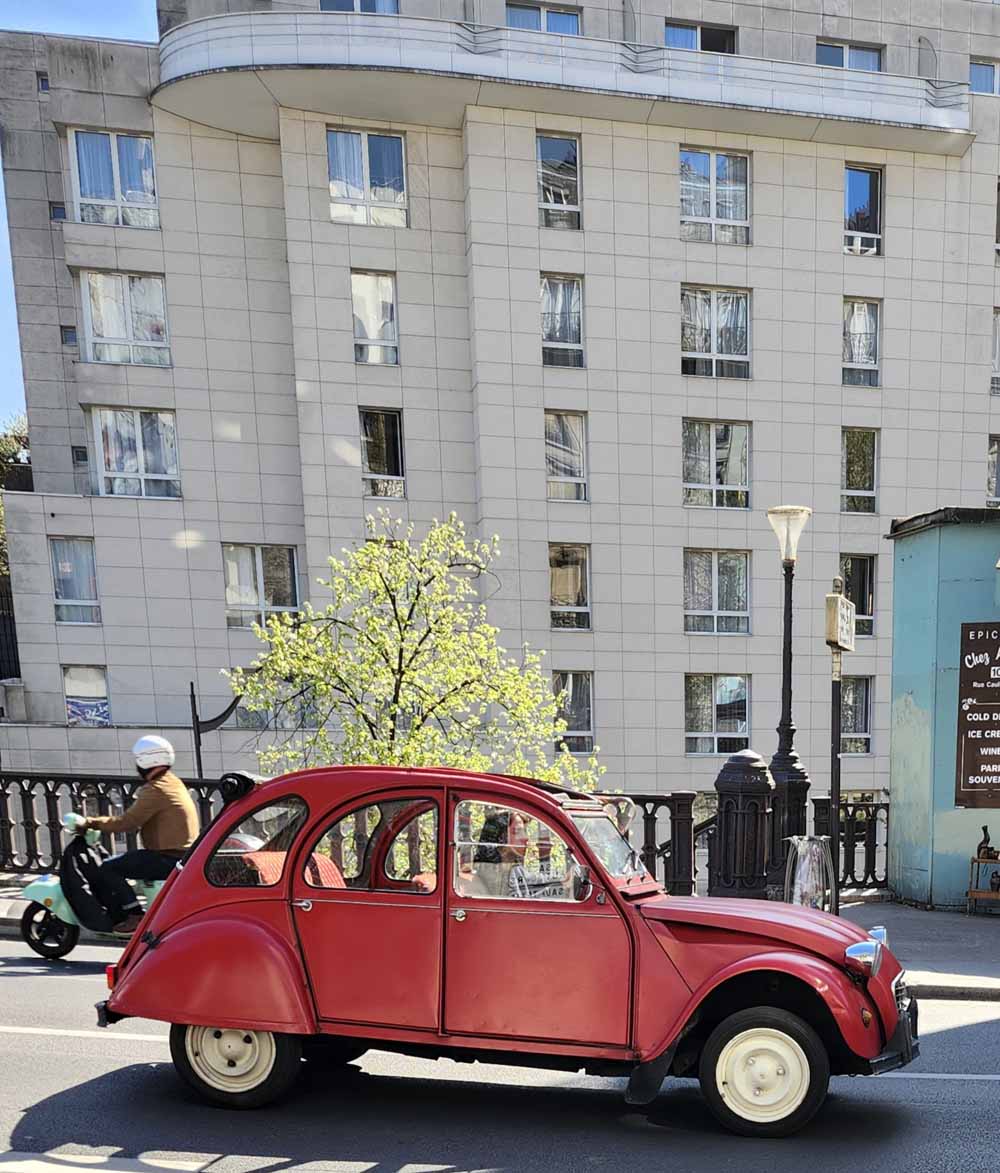
Taking my time, I strolled down Rue D’Amsterdam, allowing the city to unfold before me. Along the way, I observed with pleasure the style of Parisian women. They have this knack for dressing a certain way. Never shabby and never too formal. Just so. And, often on bikes, pedaling casually with no helmets. That would never do!
Paris largely consists of a myriad of smaller, walkable streets punctuated with large avenues every so often. This creates an infinity of small neighborhoods with individual personalities. Paris is also known for its grand buildings – and I was now in the 8th Arrondissment, which is chock full of such examples. Before long, I arrived at Place de la Madeline, with its Acropolis-like Madeleine Church.
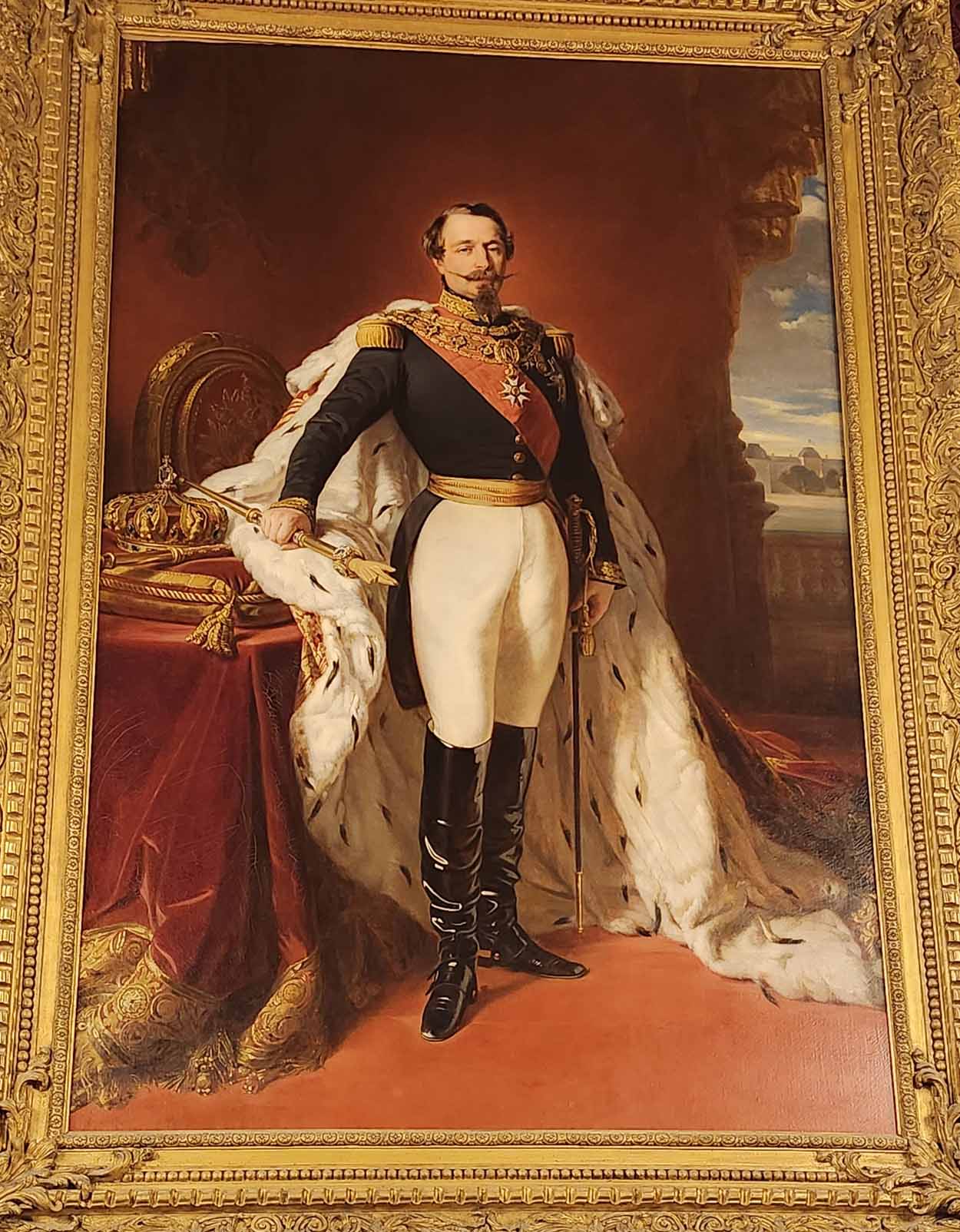
The Paris I witnessed this 21st Century is a product of redevelopment during the reign of Napoleon III – whose Empress was my distant Kirkpatrick Clan relative, Eugenie de Montijo. The renowned Foreman of this project was the famed Georges-Eugene Haussmann. He was instructed to bring “light and air” to Paris, which had fallen into visual and sanitary disrepair – much of it unimproved since the middle ages. His work was praised and criticized. While he brought beautiful boulevards, dozens of parks, and buildings to the city, he also demolished entire neighborhoods in the process. One such park I was to witness this day, Parc Monceau, was renovated by him. A goal was to have a park within 10 minutes’ walk from anywhere in Paris. The parks project was a success and popular with everyone.
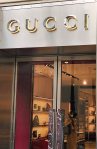
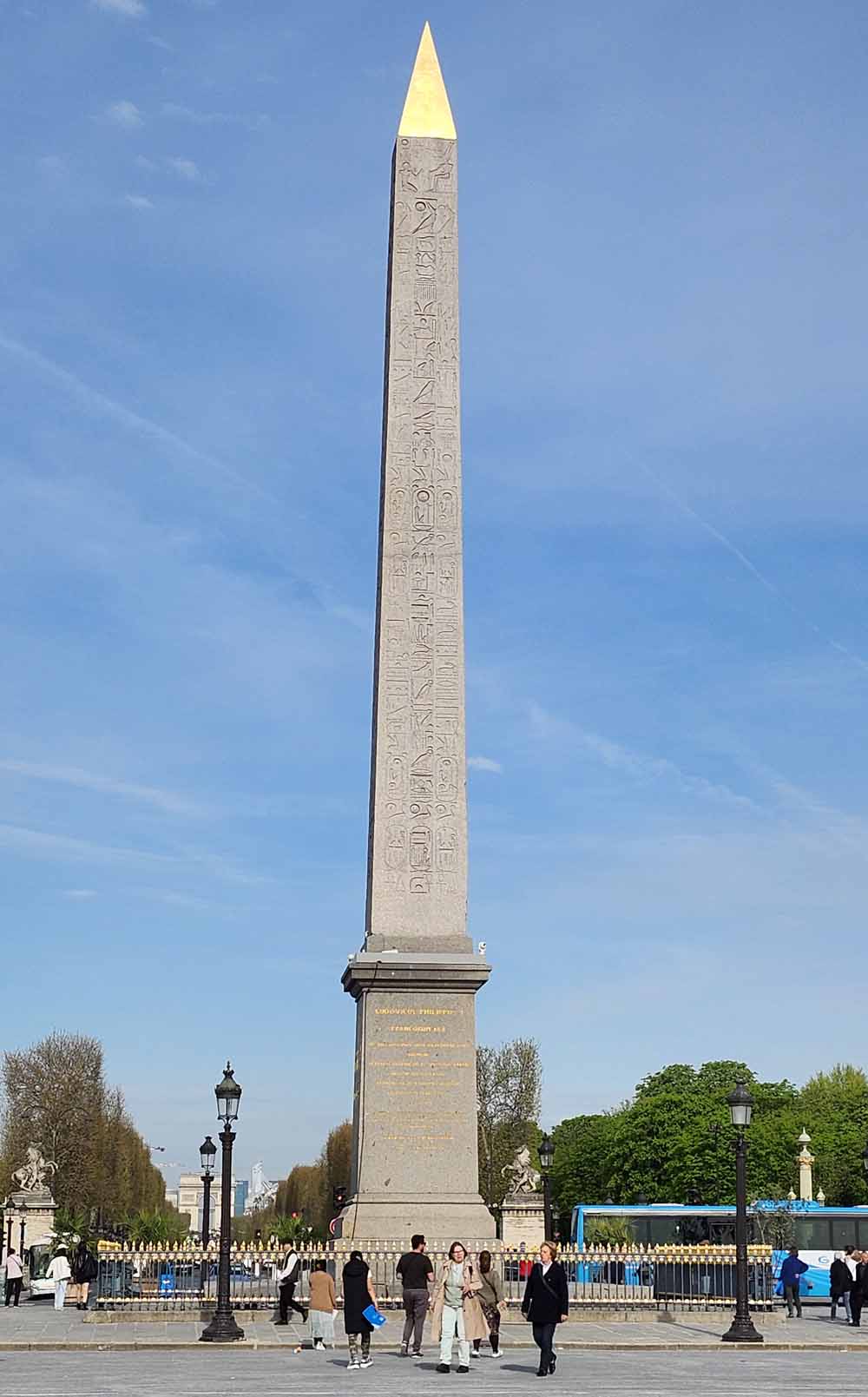
My walk continued. Crossing the street, the world famous Place de La Concorde, with its magnificent gold-topped Egyptian Obelisk, rose front and center a few blocks distant. But that was not all, for now I was on the Rue Royale, which is the epicenter of Paris fashion! Suddenly, Ralph Lauren, Canada Goose, Gucci, Piaget and Rolex, Breitling, all the big names had stores here! And at the far end a famous restaurant – Maxime’s.
Taking the pedestrian mode allows the symphony of Paris’ stunning and subtle experiences to reveal themselves. Narrow, meandering streets with corner cafes open up to busy boulevards dominated by golden angels, marbled arches, elegant parks, magnificent palaces and more. The parks are frequented by Parisians socializing, reading newspapers, people-watching, jogging, or practicing group Qigong.
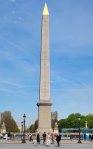 Paris is laid out like none other. From many of the important plazas, one can see other prominent plazas. For example from the Place de La Concorde, I could see the Arc de Triomphe, the Louvre, Place de la Madeleine, the Grand Palais, and the Palais Bourbon (Paris National Assembly).
Just across from the obelisk is the Tuileries Garden, and on the corner is the Orangerie Museum. I was early, so, I staked out a shaded park bench and set about people watching. There was no shortage. Bikers, joggers, groups doing yoga, and more to glimpse at. And yes, lovers hand in hand enjoying conversation. It was early April, and just fantastic weather – sunny and daily highs in the 70’s F.
The Musee D’Orangerie is best known for its full-length, around-the-room water lilies paintings by Claude Monet. The paintings are images of the water lilies in Monets Giverny Gardens out in Normandy. The “roundhouse” paintings capture the images of the lilies at different times of day – dawn, mid day, mid afternoon, and dusk. They are, in one word, arresting. I could not just pass them by. They require both intimate examination by brush stroke and visually taking them in all in their entirety. To do these images justice, click on each one separately.
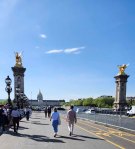
After the mind blowing over the top water lilies exhibit, I was in for more stunning images walking along the Seine. From the museum, I walked downstream, crossing the bridges back and forth from time to time. Each bridge has its own theme of sorts. Along the river I checked out the many barges moored as well as moving goods, and some were floating restaurants. All along, people like me strolled. The Eiffel Tower stood in the distance the whole way.
Some bridges were intricately adorned with art. Others seemed to celebrate French victories. One had many padlocks symbolizing love. There was a pedestrian only bridge.
Traffic never seemed hurried. Bicyclists pedaled in a leisurely fashion. Pausing to take in everything, I was filled with some kind of satisfied happiness. Finally, I turned away from the Seine, and headed toward the Arc de Triomphe. My route took me along both main avenues and quiet side street. Finally reaching it, I was surprised at the size. It’s very ornately decorated with sculptures commemorating Napoleon I’s many victories.
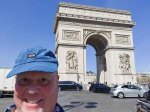 Then I began my walk back to Montmartre.
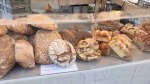
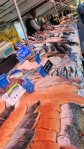
On one of the back streets, I stumbled upon an open air market. There, all sorts of fresh food was on offer. There was fresh butchered meat. There was seafood, including crab, lobster, crayfish, scallops, salmon, and oysters. Lots of freshly baked bread. Cheeses of all varieties. Fruits and vegetables. Everything needed for a meal of fresh ingredients.
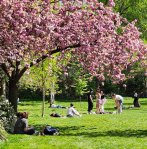
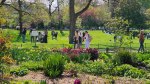
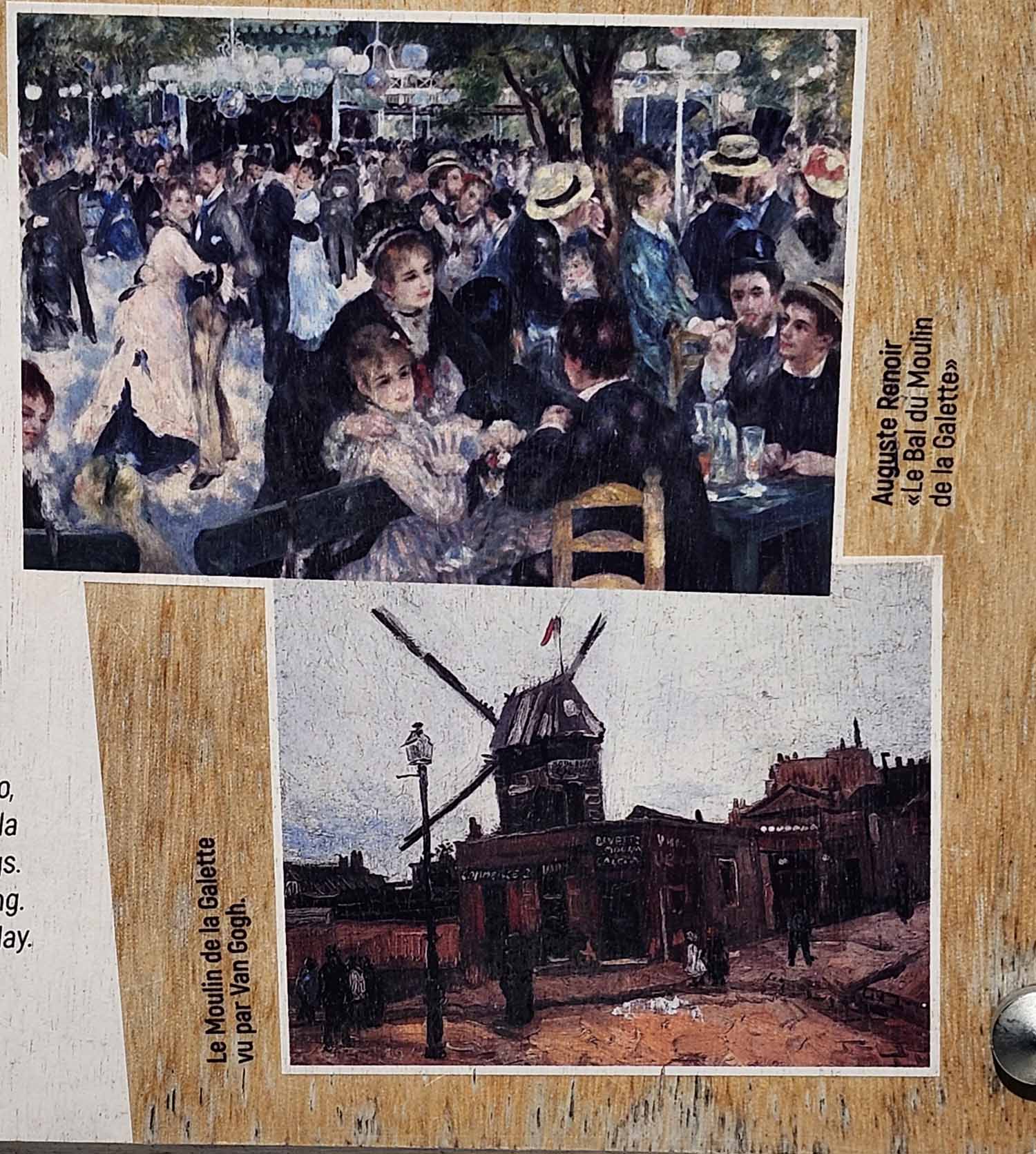
And then I passed by a scene right out of a Renoir or Monet painting. It was the Parc Monceau! There, Parisians were enjoying the park just as they did in 1887. Even in 2025, they were sitting on blankets enjoying a picnic with fresh nibbles and a glass of wine. I thought, nothing has changed! And with that, Paris was alive for me! These people know how to live!
I walked more than 8 miles that day. Near the hotel I passed by my home Cafe, Brasserie Le Moncet, and my new friends were there, and I joined them for a drink. Then a nap it was time to meet my Rick Steves Europe tour group and my guide Arnaud Servignat!


















 Cabin Fever Chronicles - Getting Outdoors with Rod