
Cruising the Nile was an unexpected delight. I was so focused on the ancient history I’d completely overlooked how pleasant the river can be. It offers pleasant air, cooled by its waters. Life slows down.
On this visit to Egypt, we experienced floating on the Nile three ways. We rode a pleasant open air launch in the early evening. We sailed on a Felucca in the afternoon. And, we spent three days on a Nile cruise ship.
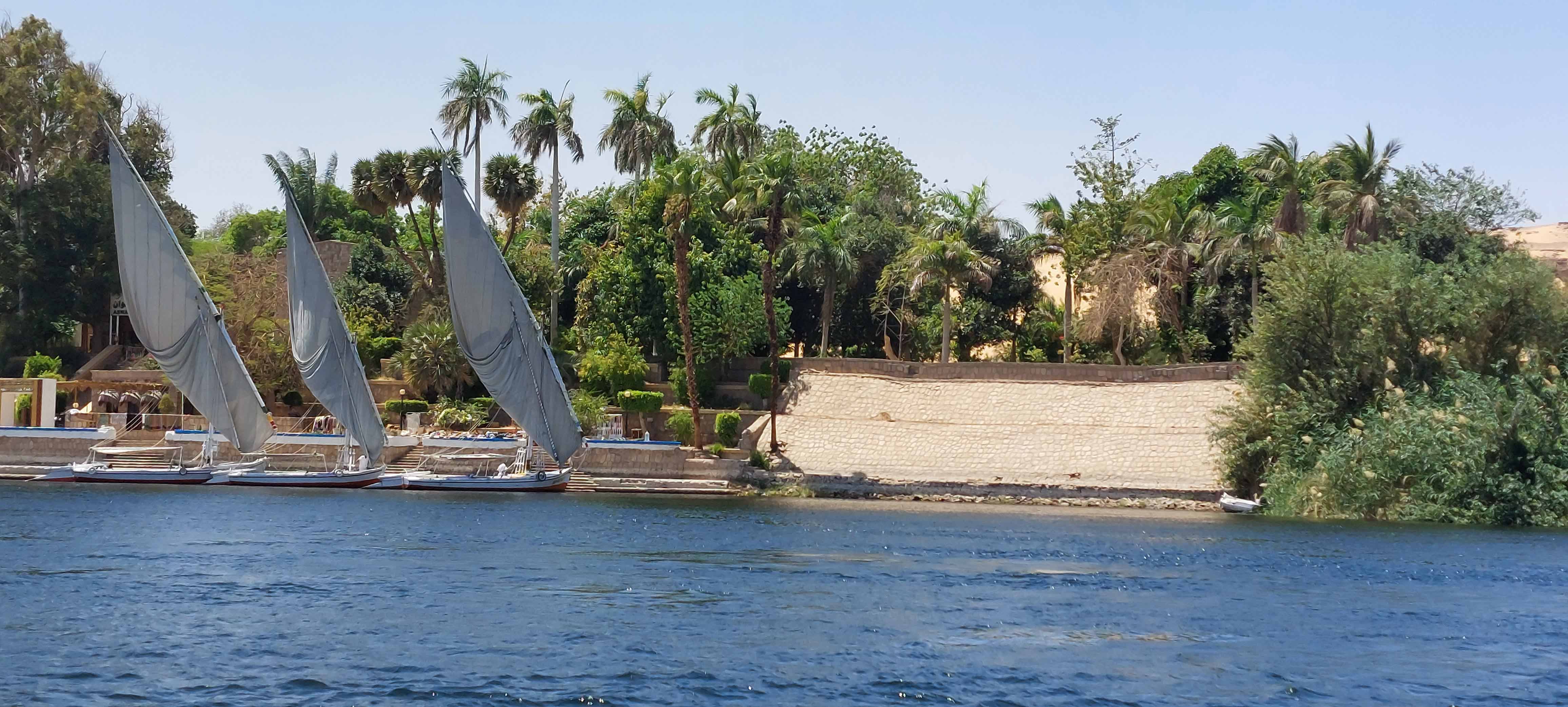
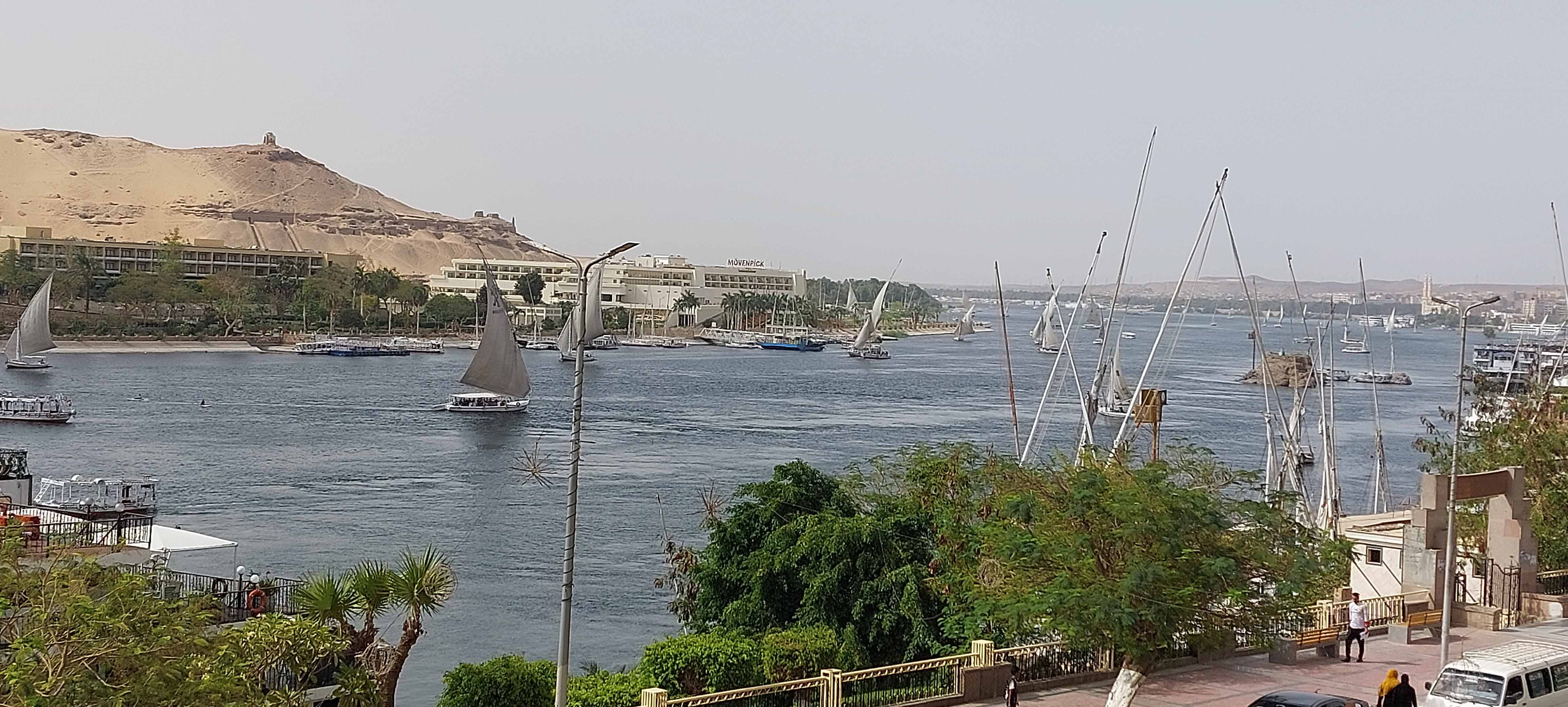
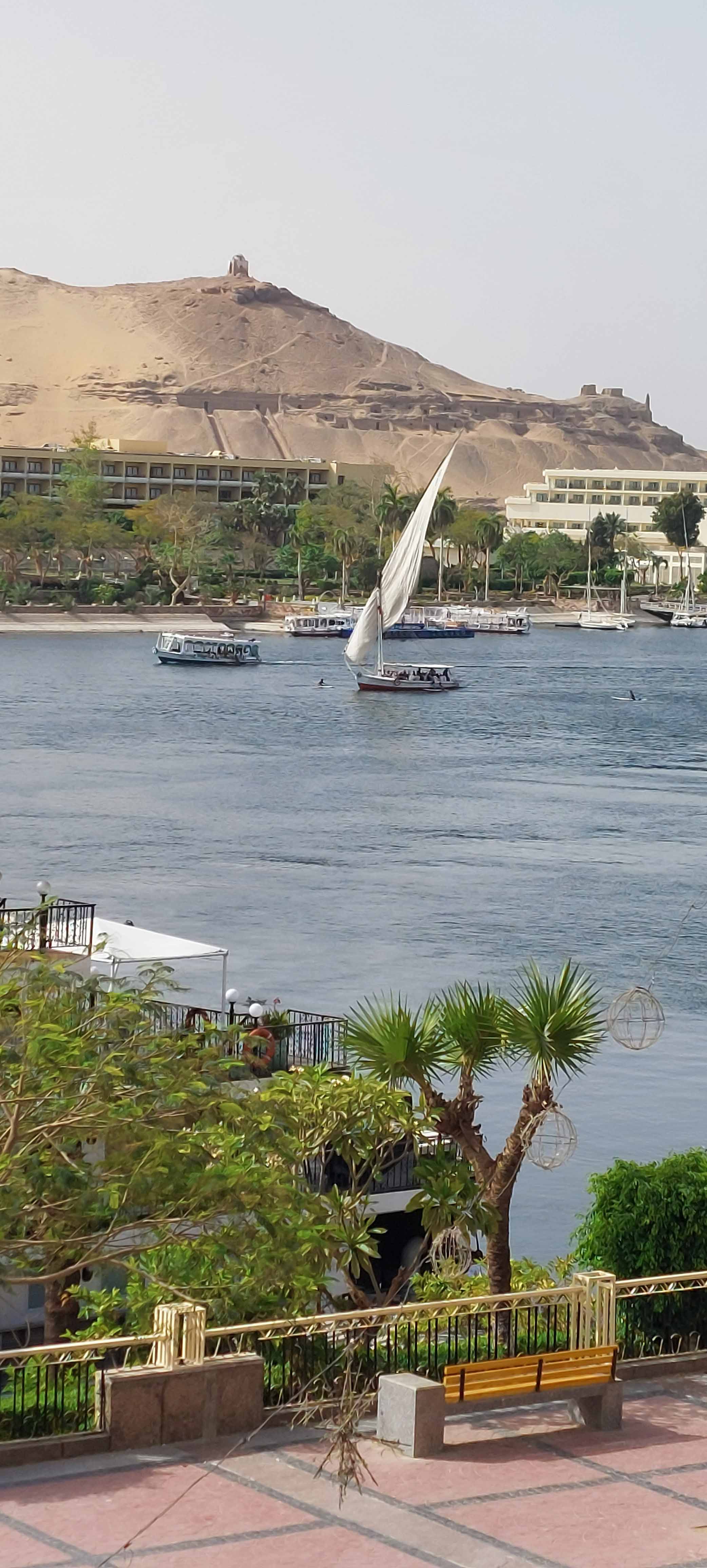
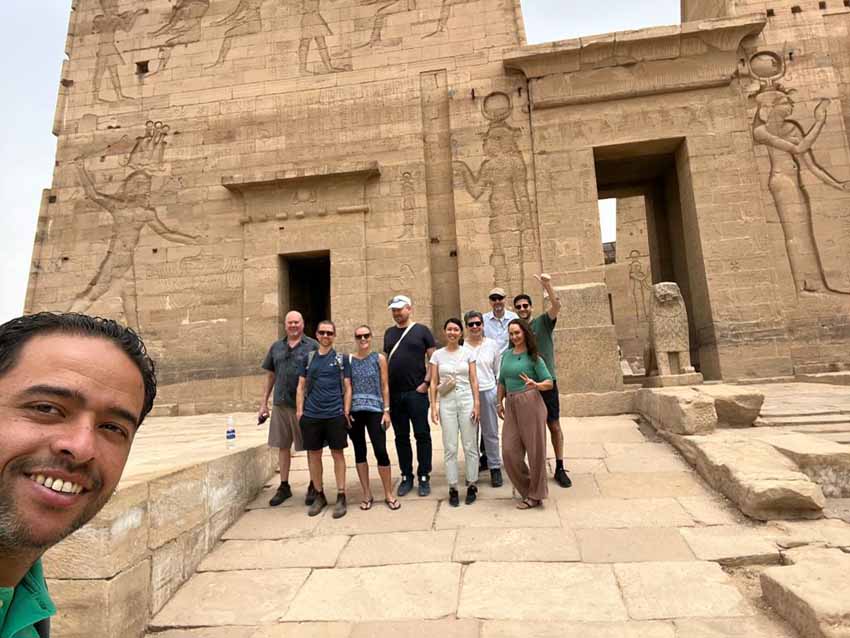
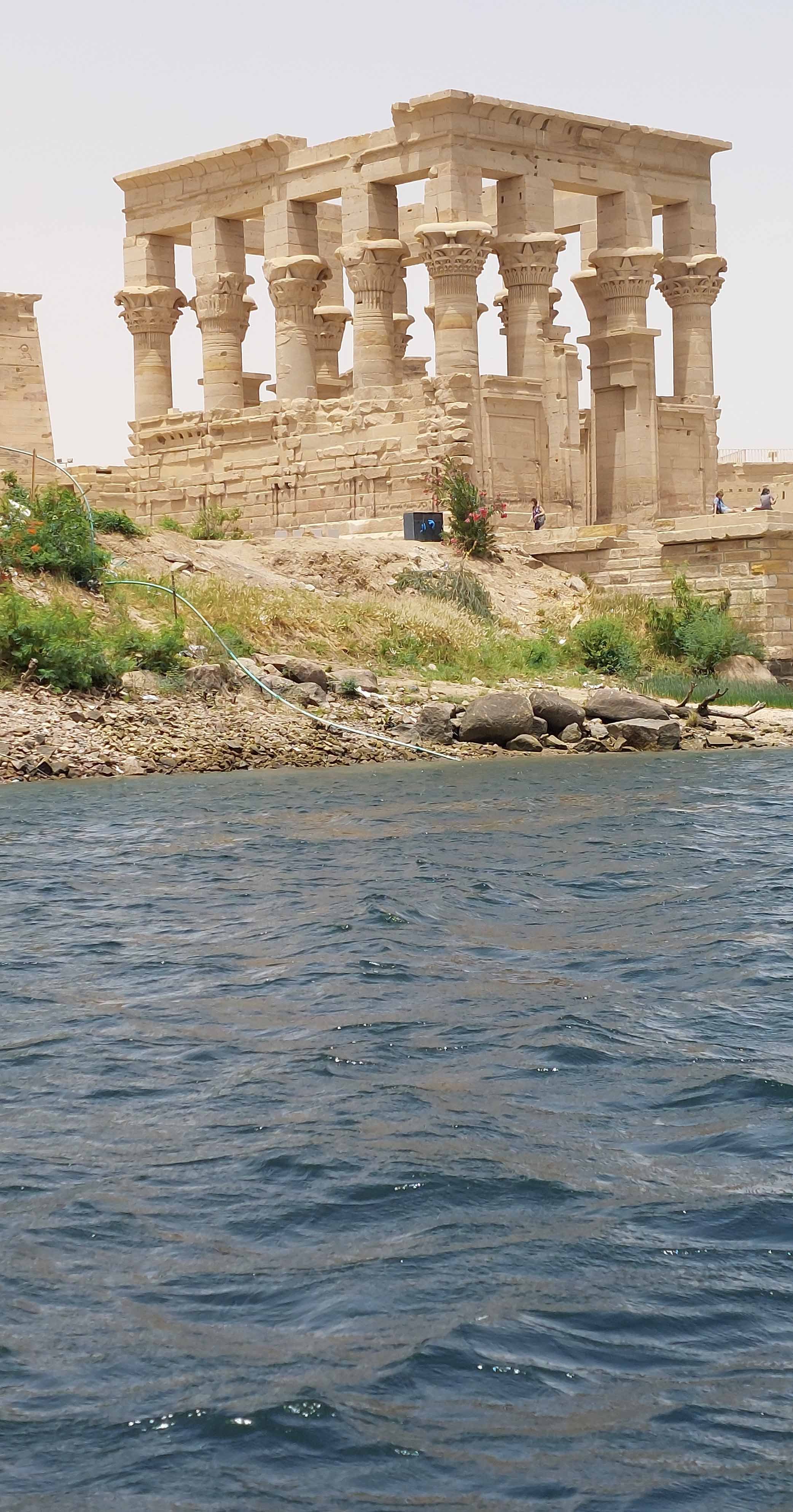
Our first experiences were in Aswan. After Philae, we boarded a motor launch to cross the river, where we were to dine with a Nubian family. But we didn’t expect a thirty minute boat ride. It was warm, with cooling breezes, and the river was lazily moving flat water. Felucca dhows plied the waters back and forth, never hurried. Palm trees lined the shores.


We passed along from the east bank to the west. On the west side, Sahara sands come right up to the river. We also ran through some resident islands. Kids being kids! Some were trying to figure out how to make a sailboat with whatever they could find. One thing I learned about Egypt, is that Ancient Egyptian relics are everywhere. Here, in the river, there are hieroglyphs for navigation marks on the rocks!
The following afternoon we embarked on a pleasant sail aboard a felucca. These are shallow drafted wooden dhows and can easily carry 15 passengers. There is something about sailing. It was super relaxing!

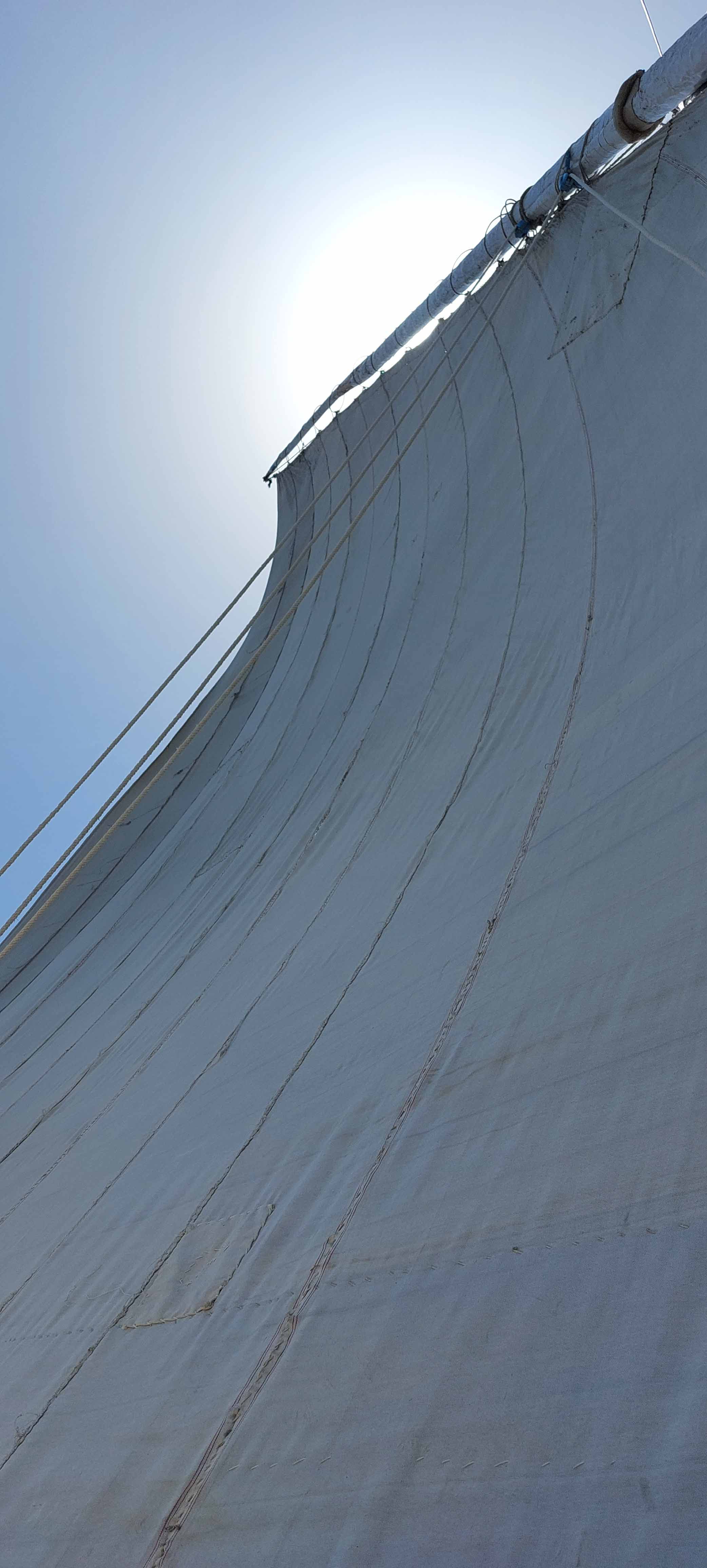

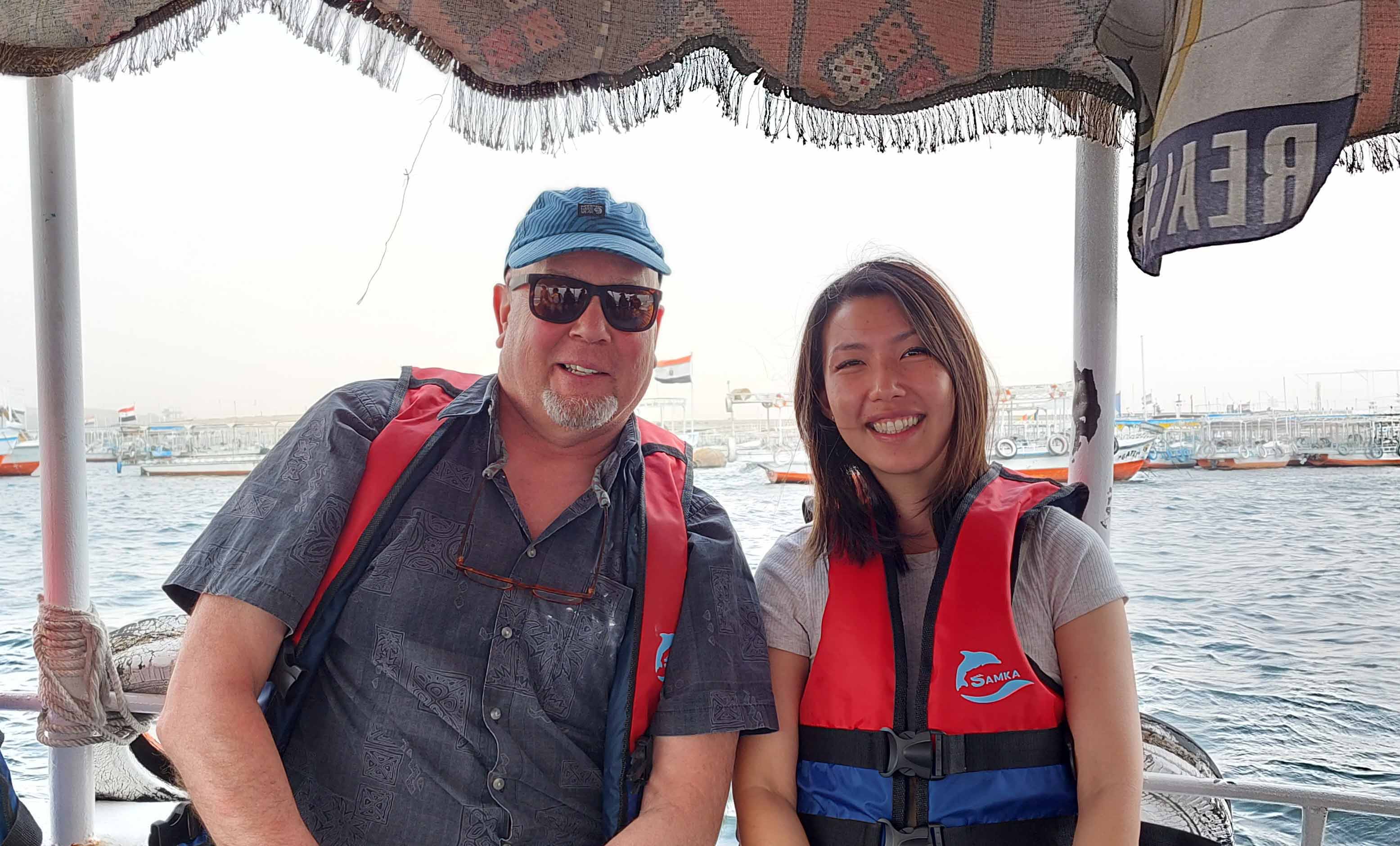
When we sailed in between islands, the overall depth could be 15 feet, but there were 12 foot rocks – which we passed over and the captain pulled up the centerboard. He knew exactly where they were. We didn’t hit anything.

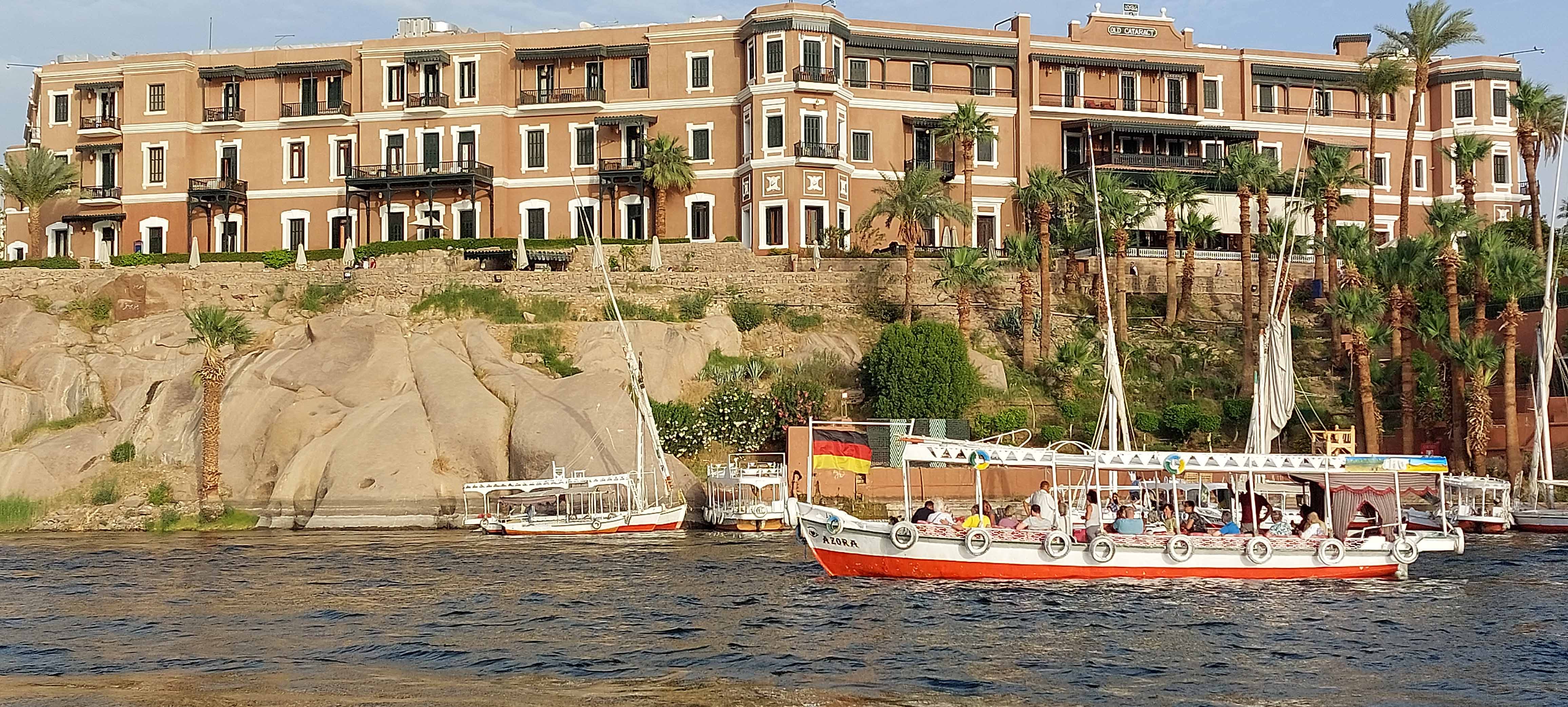
This is a stretch of river featured in the film Death on the Nile. There were scenes from the Old Cataract Hotel, and we passed right by. Today, you can have a nice sunset drink on the bar overlooking the river! Al and Allie did just that.

In one sequence we seemed to be in a little felucca sailboat race, so I had to do a little narrative.
As I hope you will agree, sailing around Aswan is a must-do experience! In future posts I’ll show our Nile Cruise Ship. It is definitely a great way to see the river.




 Cabin Fever Chronicles - Getting Outdoors with Rod