Andes Lakes and Fjords: Los Alerces National Park

15 12 2011

Into the Andes

I awake early to try and catch a sunrise picture of the Andes before breakfast! Guess what? It’s clear again! Wow! I walk all over Esquel, but can’t get a worthy shot. There are always trees or a building in the way! Where I have a good view of a mountain, it is only partly sunlit as it’s so early. Not photo worthy. Defeated, I head back to the hotel for breakfast. We’re going to Los Alerces National Park today. Everyone’s excited to see lakes, fjords, snow capped mountains and to get out and hike!

Off we go. The road winds and climbs through spectacular valleys with ranches, surrounded with white peaks. Along a bend in the road, we pass a gaucho with his sheep dogs. Some views remind me of the Grand Tetons in Wyoming.
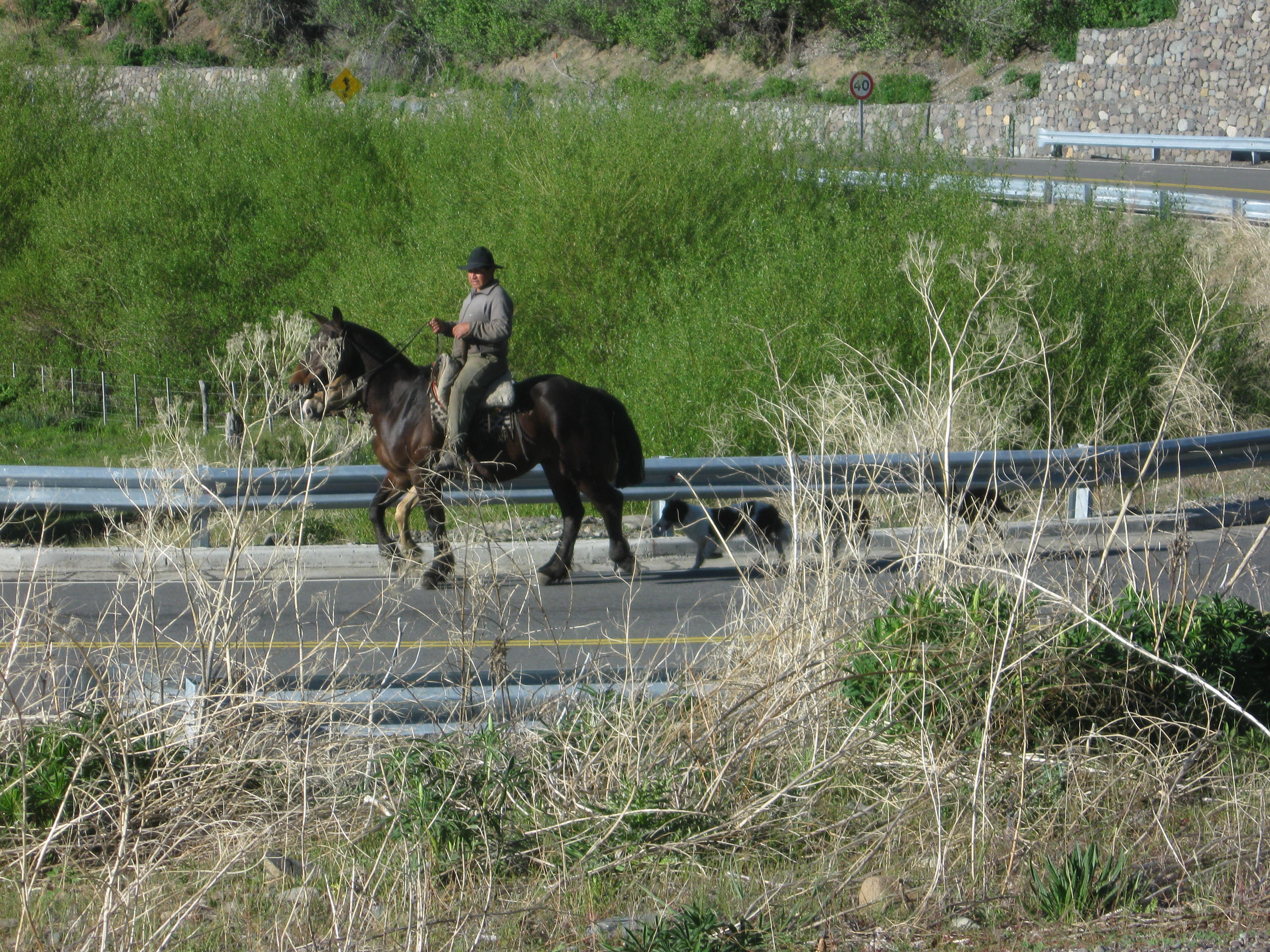
A gaucho, but without a herd...

When we get to the park entrance, it turns out to be closed for winter – we are here early. It opens in a couple of weeks. Although facilities are not open yet we can still enjoy the park’s trails and lake shores. Los Alerces National Park was established to protect a tree of national significance, the Alerces tree, a giant of the cypress family. It can grow to 220 feet high and live 2,500 years. The slow-growing trees were prized for building materials, and thus most were logged. This national park protects one of the last stands.

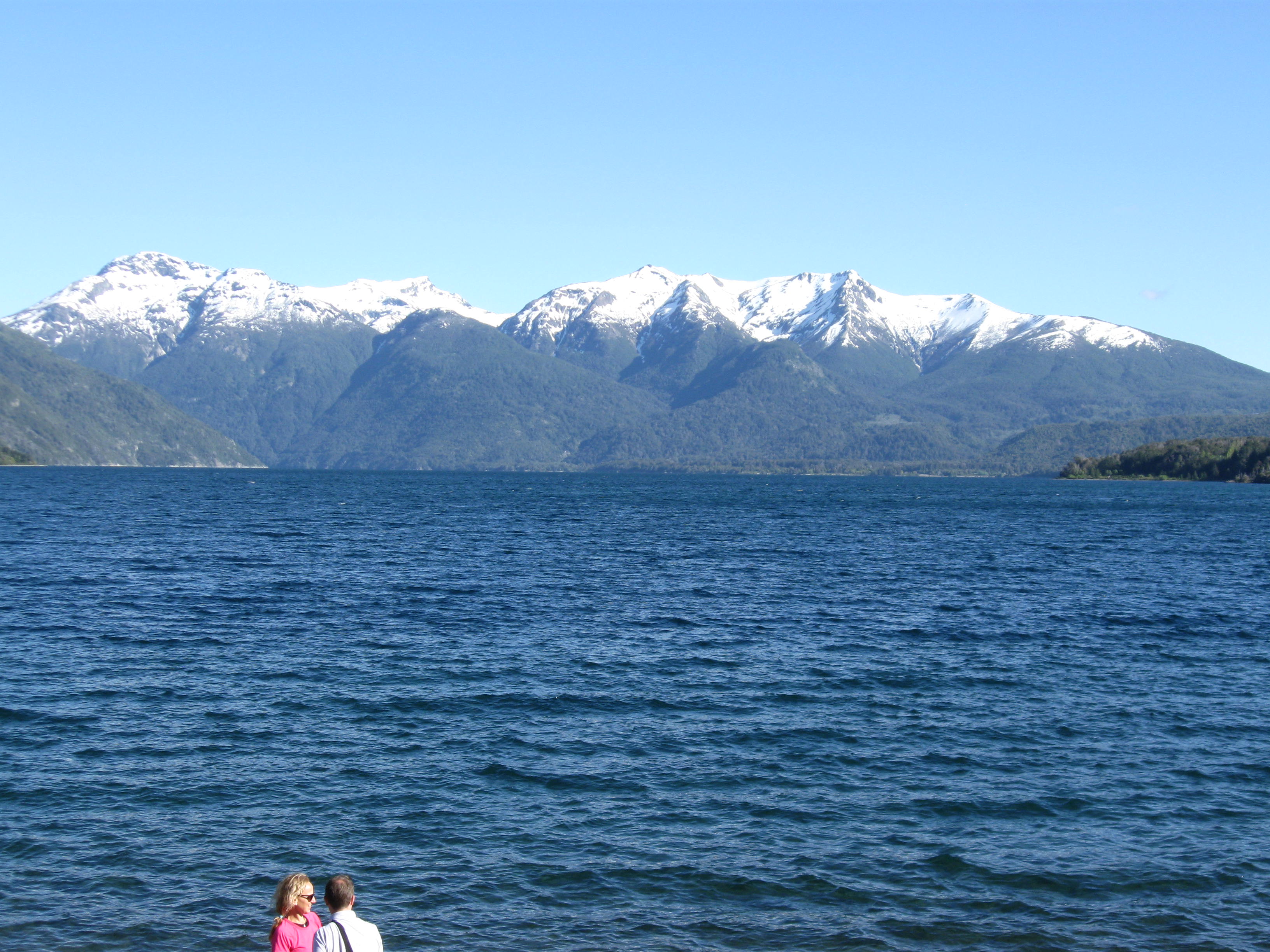
We had the park to ourselves. It covers 500,000 acres, and there are several fjord-like lakes that seem to stretch forever. It’s beautiful!

Wow.

We stop at several beaches to take in the spectacular scenery! Popular with fishermen, for its rainbow and brown trout, the area is also a magnet for backpackers, mountain bikers and swimmers.

Other flora includes the Patagonian Beech and bamboo. The Patagonian Beech towers over everything in the forest!

Most of the park is untouched, because there are only roads in the east. The ecosystem is best described as a temperate rainforest.

The beaches have lifeguard towers, which are now empty but signal that the area must be popular in summer.
The highlight of the day is a hike! After so much road time, I’m happy the trip is going to include a lot of hiking from now on. I love to be out on the trail!

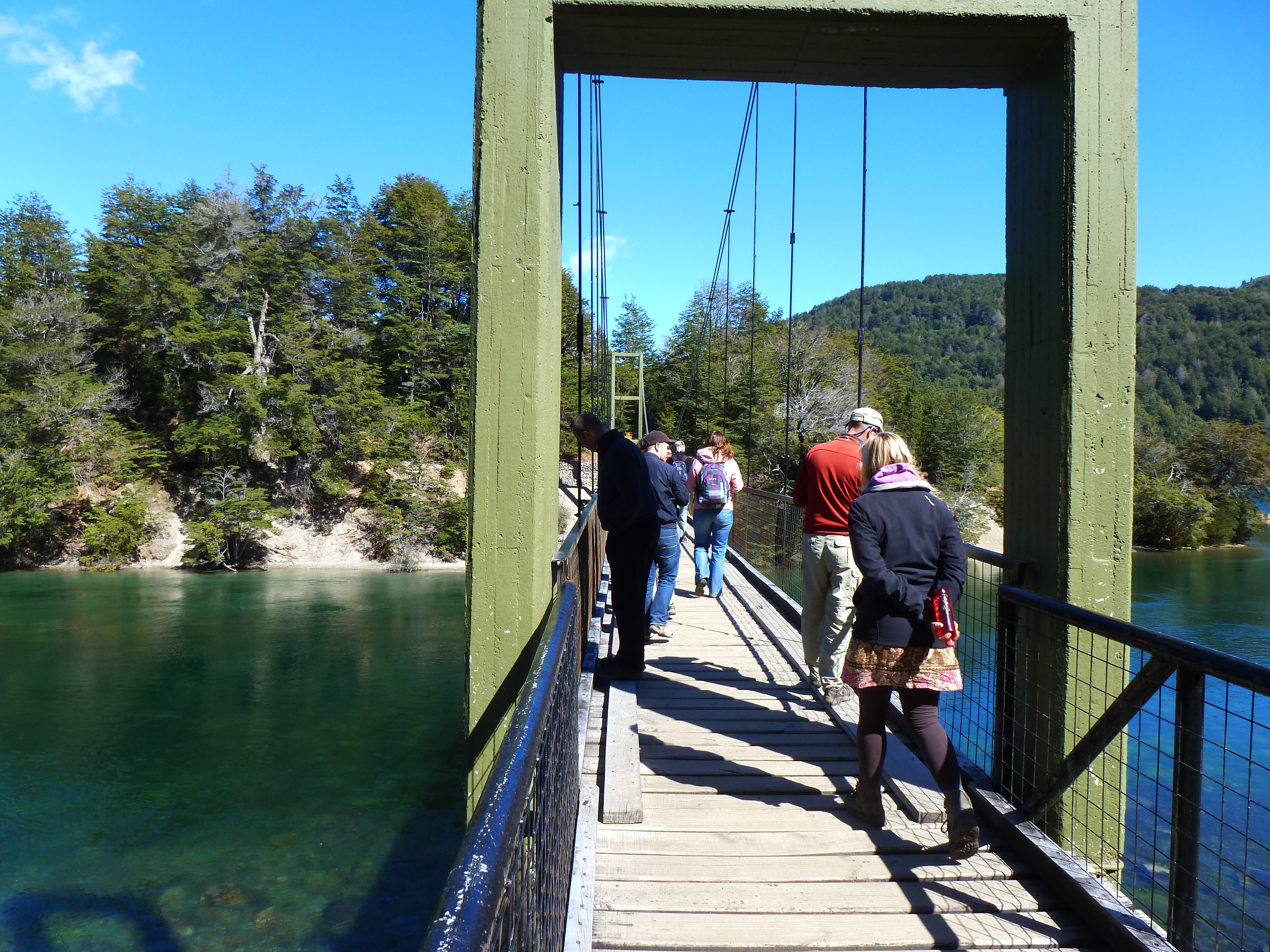
So, we hit the trail, and it’s not long before we reach a suspension bridge over a river which connects two of these big lakes.

It’s so picturesque! And looking down I can see 20 trout.
I have never been to New Zealand, but I continue to wonder if this looks like parts of New Zealand’s South Island? I’ll just have to go there to find out.

Well, I didn’t know the name of the exact spot in this video, but it was on the trail in the park! Very pretty.

The clarity of the water and its blue green color was incredible!
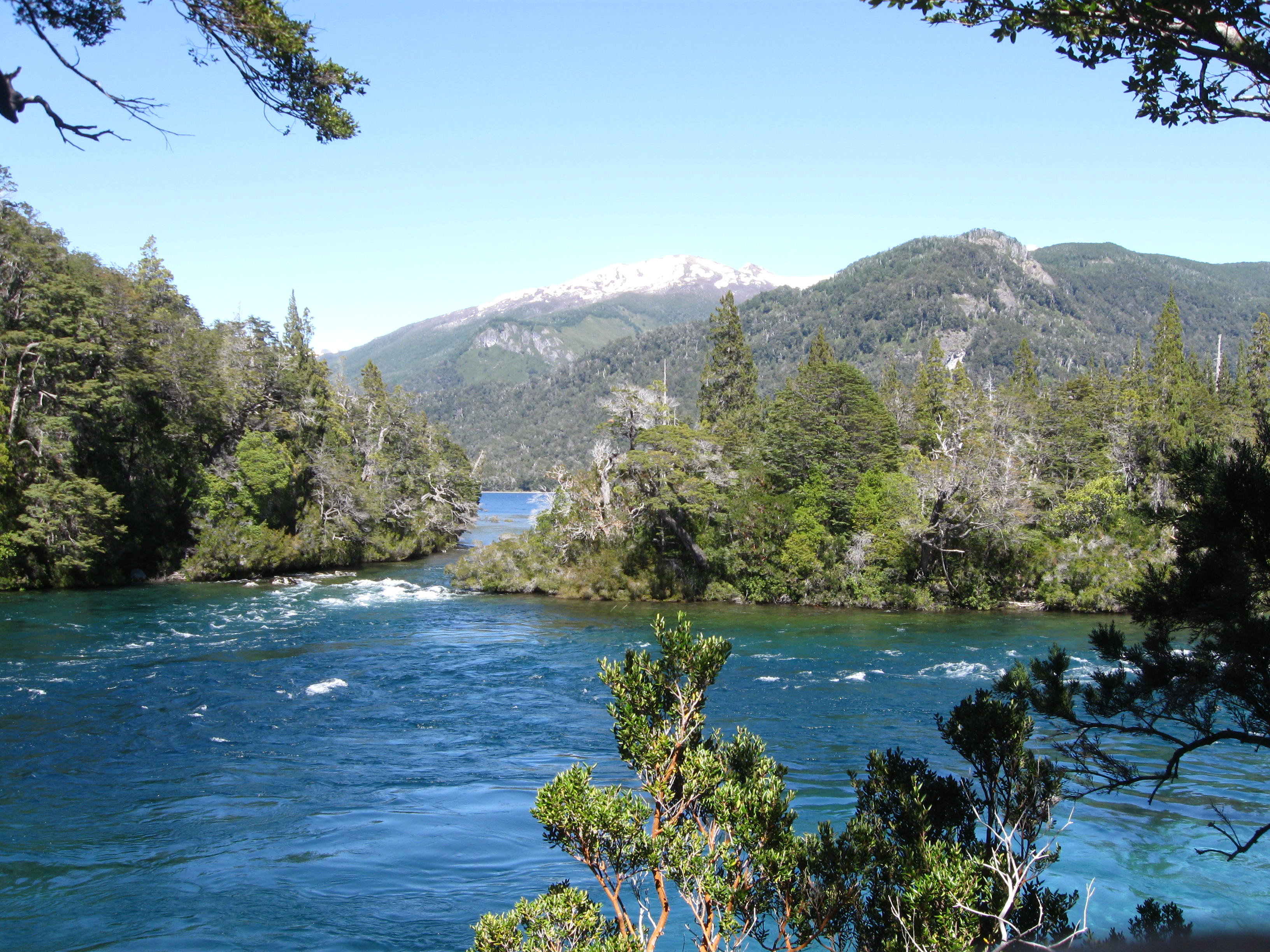
Just another gorgeous day!

Our walk winds up and down, along the rivers – it’s a big circuit taking a couple of hours.

We’ll have lunch on the lake, and then it’ll be on to our end-of-day destination, Bariloche, capital of Argentina’s Lake District.

We continue on to El Bolson, where we stop for a break. I mail some post cards, and we also get some of that yummy Argentine ice cream.

The empty road crests at the outskirts of Bariloche, and we can look above to see the ski area – the Lake District is happening in winter with several ski areas around, plus it sits on the mega huge Lago Nahuel Huapi. When we can see from this crest, a distinct change in the weather is obvious! We can see a haze in the distance. Is it changing weather? Nope. In fact it is a cloud of volcanic ash! I had heard there was a volcano in Chile that was erupting since June, and we have arrived in its domain. This is the infamous Puyehue Volcano, which has cancelled flights all summer! We’ll be directly dealing with this pesky villain in the next couple of days!


From the Atlantic to the Andes, and Esquel (via Arizona)

11 12 2011

The adventure turns west. We leave the Atlantic behind, and will continue to make our way over the Andes mountains, to the Pacific. Of course, we’ll not be doing this in a day! We’ll be stopping in Esquel, a small ski town, then Bariloche, Argentina’s ski mecca, and then stop in Puerto Montt, Chile, which sits at the top of Chile’s vast fjord system.

Let's not have a breakdown out here!

Today we have a lot of territory to cover. Leaving Puerto Madryn, we’ll spend hours crossing the Argentinian steppe, a vast flat area said to be the 7th largest desert in the world, with flora like Central Oregon. Crossing this region, you sometimes imagine hills, when there are none. And it’s empty – which is normal in Patagonia!

At long last we do see hills.

Arizona? Nope. Argentina!

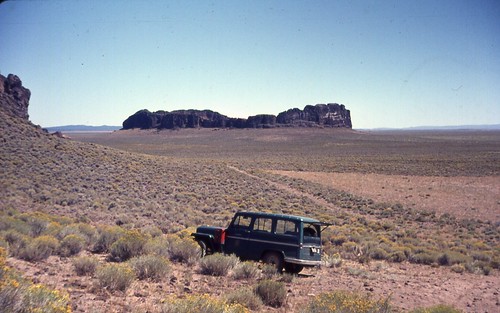
The road takes us into a region completely overlooked by Lonely Planet and Rough Guide. It has areas resembling Arizona, or the John Day River!

Where's Clint Eastwood?

Or Oregon’s Painted Hills! Only more of them.

It takes us a couple of hours to pass through this fascinating area.

I was really surprised it isn’t mention, and it’s totally unpopulated.

Activate your zoom to find the guanaco to the right of the summit!

We pass through a valley and we can see painted hills everywhere.

I’m thinking they are like the ones in Oregon – they are ash deposits from distant volcanoes – in this case they are Andes volcanoes.

I am very excited to witness the Andes for real! I wonder if they will look anything like the Himalayas.

After spending so much time in the steppe, all of us are looking forward to seeing mountains all around.

And then we round a bend, and there they are!

Lonely highway with Andes! We are there at last!

It’s not long before snowy, craggy peaks stretch from south to north horizon to horizon – and we are quite far away. I must be looking 70 miles in each direction. And then, what’s this? Something not supposed to be here. But there it (they) are! Pink flamingos all hanging out in this pond way up here?

Flamingos out of nowhere!

It doesn’t take long for me to get used to seeing mountains all around. As they loom closer, I can see lots of snow up above. We are told it will melt and by summer, except for the glaciers, it will all be gone. The mountains look like they must be above 10,000 feet, yet Saskia says they are no more than 6,000.

Toward 5 p.m. we arrive in Esquel, a small ski town, with the La Hoya resort sitting above. It’s late spring, so it’s pretty quiet. But everywhere there are signs of alpine tourism. Esquel is the gateway to Los Alerces National Park.

There are chocolate shops, ski shops, rental shops and tour guides.

There are lots and lots of restaurants, and we are HUNGRY!

But we are in Argentina. We must remember that restaurants won’t be open until 8:00 at the earliest!

So we bide our time, talking in the hotel lobby and then walking around.

This young lady walks into the hotel looking very tired, and a bit sad. She sits down on the couch, across the coffee table from me. I ask what has she seen today? She turns out to be from Spain, and was part of a Spanish version of the reality show “Survivor!” She just got voted off! They had spent three weeks being shuttled around blind in the back of a truck from one “survivor venue” to another. They had practically nothing to eat. She had gotten very close to her teammates! She was pretty bummed, and was going home shortly. But she was glad for the experience.

Well, it was getting near “dinner time,” so we wended our way through Esquel’s streets in search of a meal. We dug up one spot with a likely menu – one that actually had fresh salads! We poked our heads inside, and nobody spoke English. Christof, our universal translator, stepped in and somehow worked everything out. They were not open yet but they took us. Then we got some beer while they got the table ready. And when it came time to read the un-readable menu Christof was there to help out and order, and make diplomatic amends with our server, who turned out to be super cute.

This was one memorable meal full of giggles and laughs, the conversation degenerated on both the female and male sides to less-than formal, more like stories of early life encounters with the opposite sex, and preferences, and such! Soon another bottle of wine was on the table, and we began to wonder what the other people in the restaurant thought of us.

And that was only the beginning. Afterward we ran into Yap and Patricia and all of us went on a pub crawl, winding up at this totally cool old style bar with all kinds of Patagonian mementos hanging from the walls. We succeeded in persuading the proprietors to play dance music and went on from there!

On the way home I saw the Southern Cross for the first time! Or so I thought. What I saw was what turns out to be a “false” Southern Cross!” No matter. I would continue to search for it!

Looking forward to hiking in Los Alerces National Park tomorrow!


Valdes Peninsula: Southern Right Whales, Elephant Seals, and Ice Cream!

8 12 2011

Another day dawns clear and bright! I stroll along the Puerto Madryn waterfront for 30 minutes before breakfast, watching the comings and goings of people who live here. There aren’t many out yet, but some are jogging, others on bicycles, and some taking in the fresh air along the beach. It’s a significant bay, you can’t see the other side from the beach. It’s going to be a big day starting with Southern Right Whales!

Our breakfast at the Hotel Costenara is a source of displeasure for many (follow the link and you can see the breakfast for real). There are no eggs, no hot cereal. It’s just dry bread, croissants, some cold cereal, some orange “cool aid,” and bitter coffee. The “fruit” is canned. For those of us who love breakfast, this is a hard time of day.

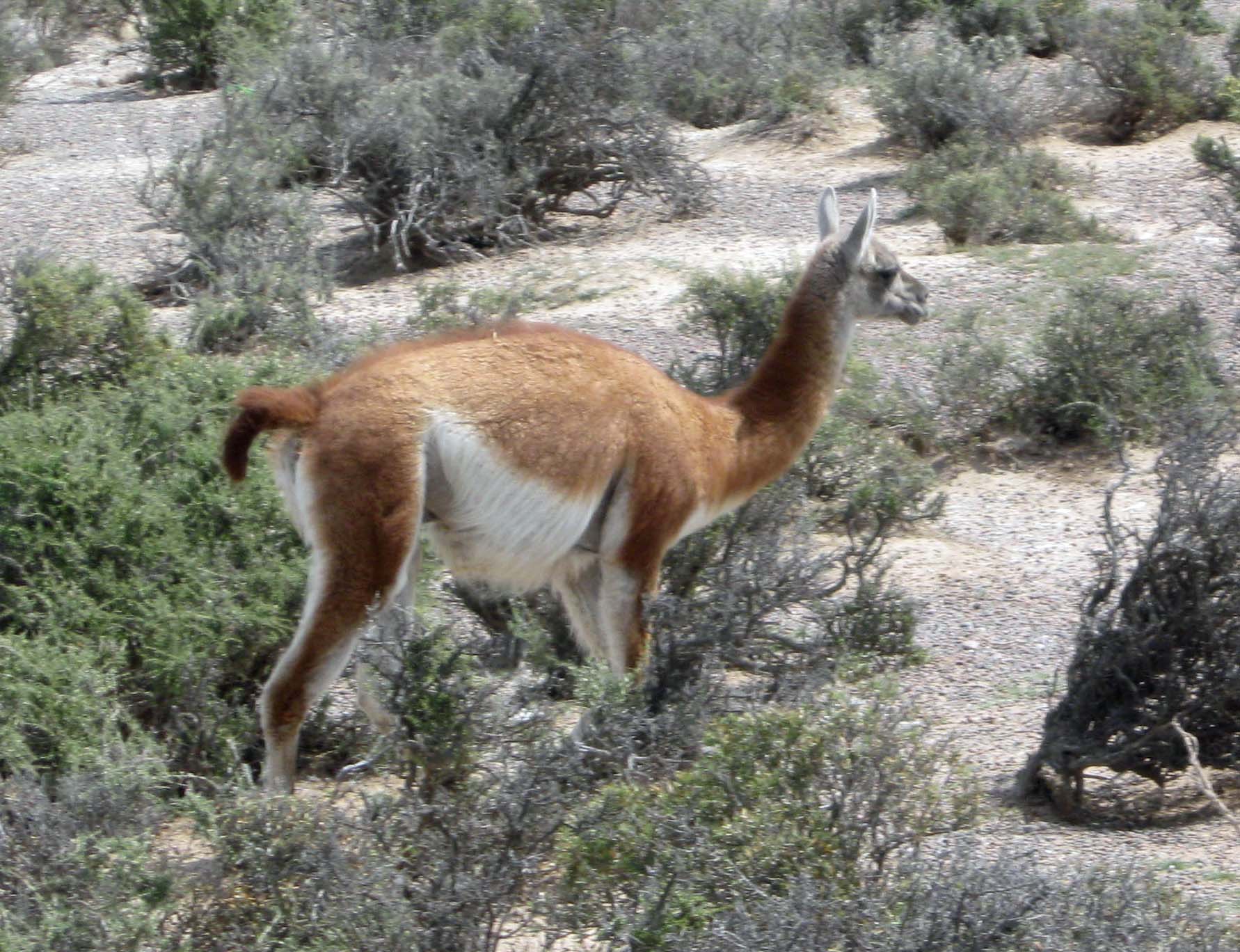
Off to see wildlife! On the way, we catch sight of guanacos! I’ve never seen them in person. We see lots and lots of guanacos! They live in herds of up to two dozen.

I’m looking forward to seeing marine mammals!  The Valdes Peninsula is such a treasure trove of marine species that its preservation has global significance. It was named a UNESCO World Heritage site due to its importance, particularly for the endangered Southern Right Whales that rear their young there.

By 9:00 we arrive at Puerto Piramides, a hamlet which is ground zero for whale watching.  While we wait for things to get going, I watch a 60-ft sailboat lying at anchor offshore. And wow! Whales are right in front of the boat, clearly visible, spy-hopping and I even sight a breach! I see another several hundred yards from the first. The whale watching boat makes us wear these ridiculous PFDs that I will not show on the internet! I doubt they would do any good in the water – they’ll just float right off my body, instead of holding me up! We’re dressed for potential cold spray and wind, but it’s going to be a warm, still, beautiful morning. Perfect!

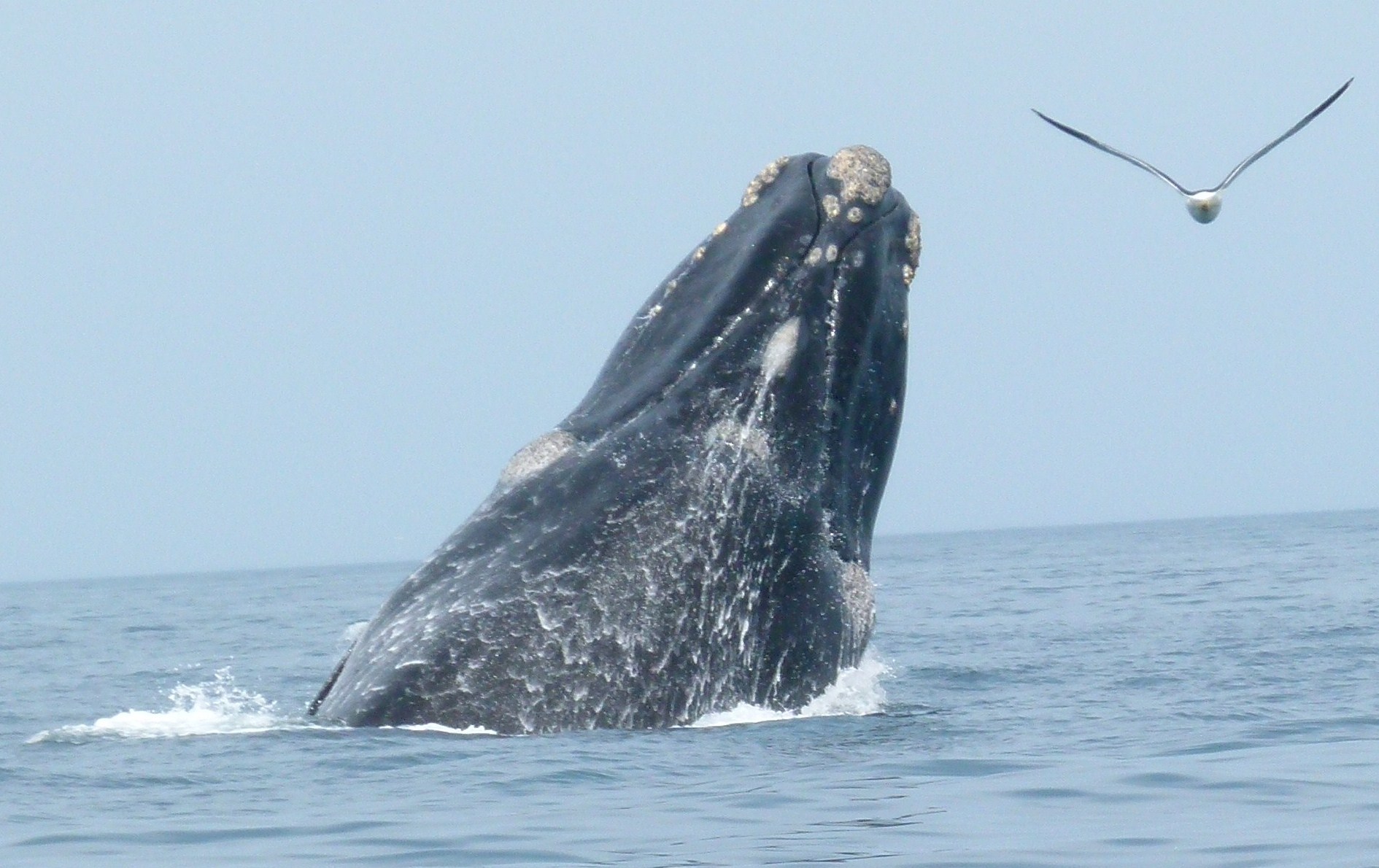
Once out on the water, it isn’t long before we catch sight of a southern right whale and its calf! I’m delighted there are quite a few whales within view! We have two pairs, two mother whales going along and calves following. Other times, mom rolls over on her back allowing calf to suckle.

Then the breaching begins, and cameras whir! What magnificent creatures!

Photo Monique Poesiat

They don’t move off because of us, and I’m thinking they are just accustomed to the boats, and know that the boats are not a threat.

Then a full breach! Lots of ooohs and ahhs!

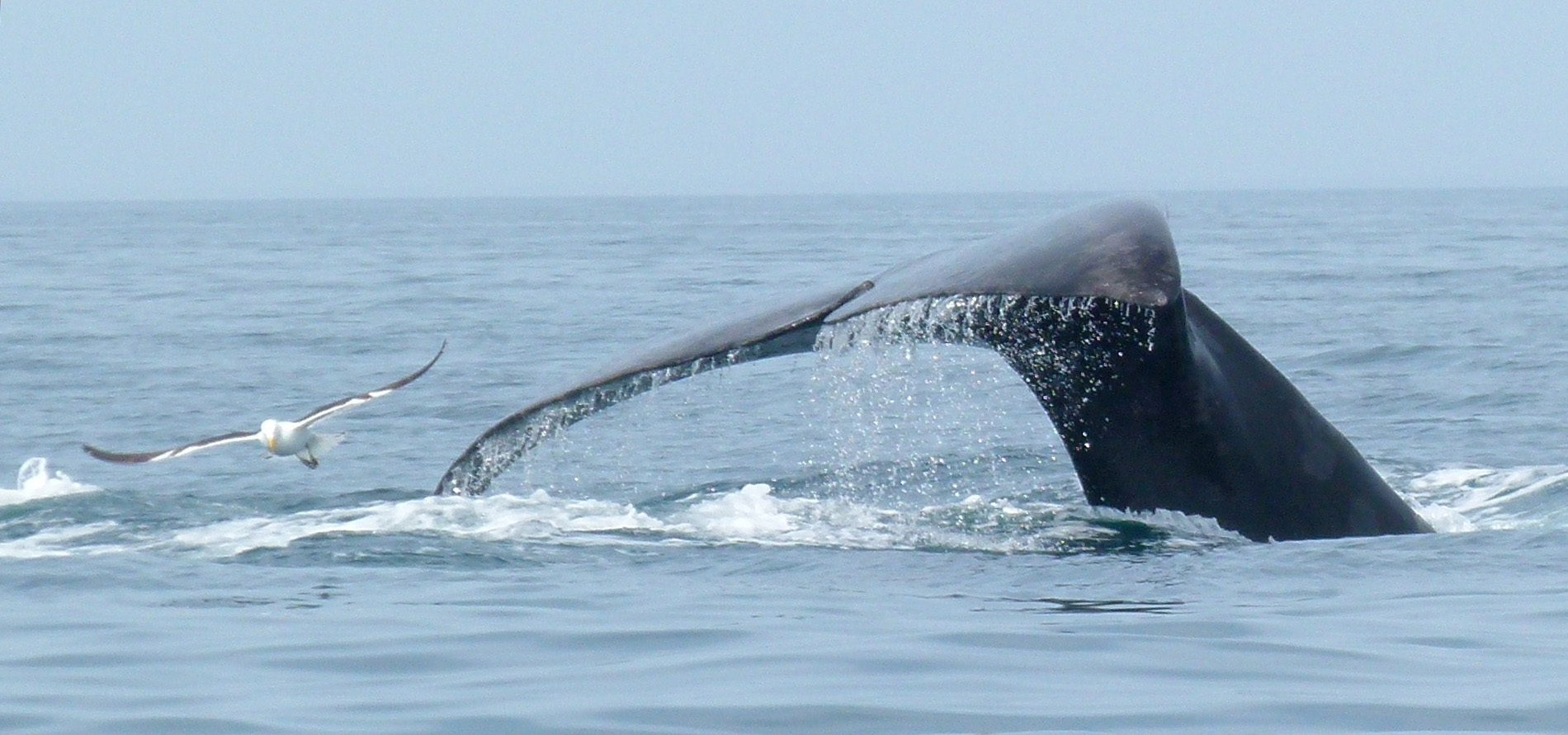
The mother whales engage in tail-slapping and fin-slapping. This behavior is thought to be some kind of communication.

Photo Monique Poesiat

The “show” did not disappoint! I think this goes on all day long. The cows and calves use the bay as a rearing area. It’s plenty big, and protected from the ocean.

See that the fins on the Southern Right whale are more squared off than on Humpbacks, which are very elongated!

About lunch time, we returned to Puerto Piramides. Saskia suggested we get lunch at one of the restaurants, because it’s going to be a long time before the next opportunity to eat. So we went ahead.

The menu had many options. Since I was already beginning to feel what would become the “Patagonia blahs,” meaning not having enough fresh fruit/veggies, I instinctively ordered a giant “Insalata Complete,” or complete mixed salad.

That was a good idea. Here is what some of the others got…those who ordered pizza had to wait a long time. And we were to discover those green olives they put on pizza in Argentina? Well, it’s what they do…

Then it was on to see elephant seals. We went to the north side of the peninsula. Out there, there are cliffs, affording these marine mammals protection from land predators.

He has quite the nose!

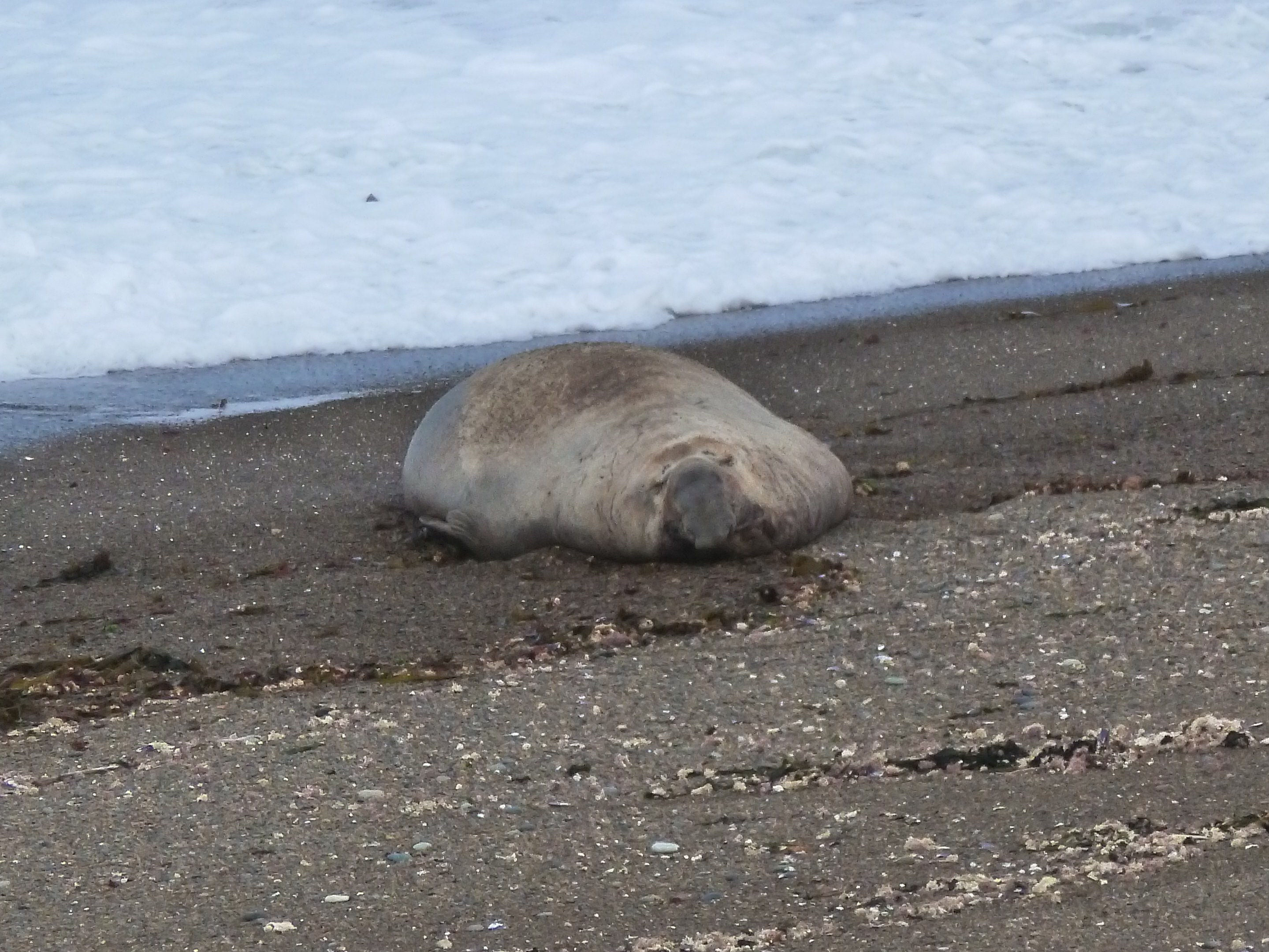
We make it to some southern elephant seal colonies. Elephant seals are the largest seals in the world. Bulls can weigh over 6,000 lbs. They can dive to 7,000 ft, though an average dive takes them to 2,000 ft. Like all the marine mammals, elephant seals have a seasonal routine. They spend months at sea. Then they come to land, to “haul out,” mate and rear their young. Male elephant seals get to the beach and establish a “harem” of females and defend it to the death. A bull absolutely will not allow another male into its harem. Other males, desperate, will push the boundaries, try to mate with females, and if the dominant male catches them, it’s a fight!

Elephant seals spend a lot of time lying around when on land. When they move, they look like loose-skinned inch worms. I can’t imagine the amount of blubber they carry!

They seem to spend a lot of time resting. We see both males and females, and their young.

A youngster in the "pool" behind the beach

So, the cows come ashore. They give birth. The young are left behind on their own to figure out swimming on their own. Some of the young use quiet backwaters behind the beach to learn to swim. But for all of them, they have to go to sea eventually, to forage the seasonal feeding with the other seals.

This is the world famous place where Orcas have learned to swim close to the beach to catch baby seals trying to learn to swim at sea!

The job of the bull seals is to make sure every female in his harem is pregnant before they go out to sea for seasonal feeding. The bulls stay on the beach waiting for every female to come in to heat so they can mate with them before all head to sea.

I was able to catch an bull defending against what was probably an upstart adolescent bull. Much smaller, at first I thought it was a female! (Click to see)


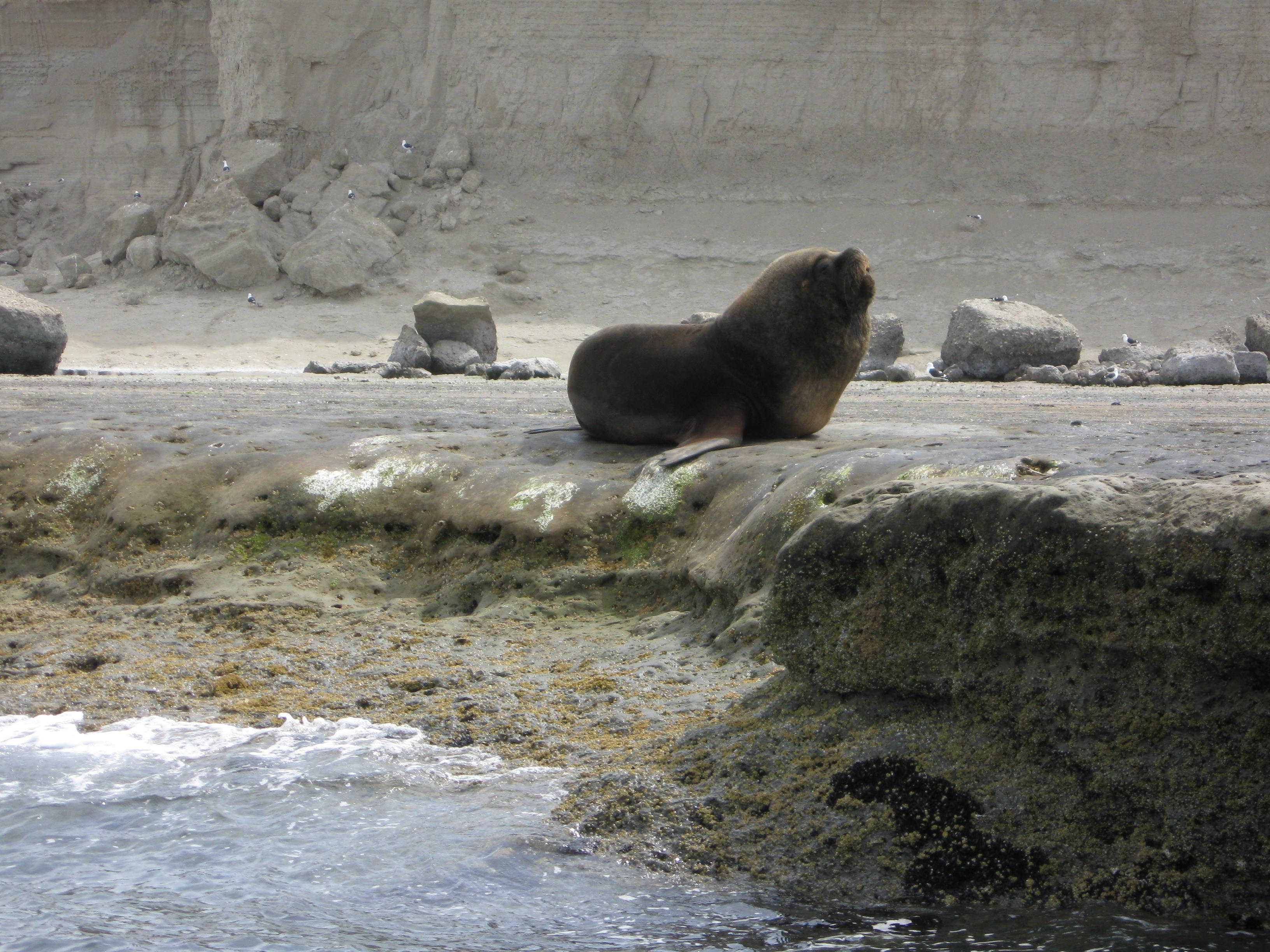
We also saw sea lions up close, here was this bull, who didn’t have a care in the world about us!

As we drove back to town, the show continued. All along the road, we saw numerous guanacos, and even this little hairy armadillo.

Then something totally unexpected!

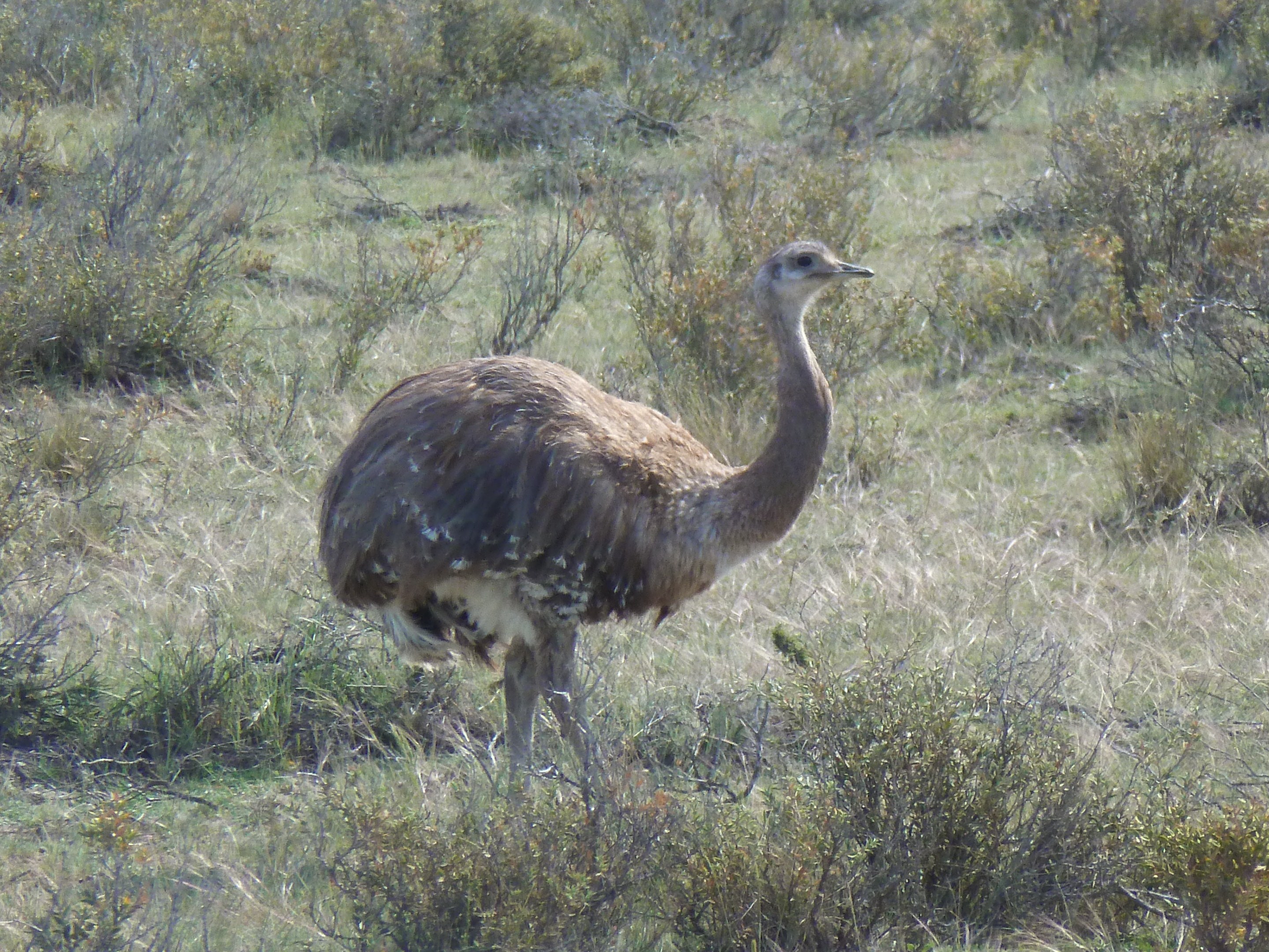
We catch a glimpse of something ostrich-like!

Well, we’re not in the Galapagos, but I guess we might as well be!

This bird is a Lesser Rhea, but it is also known as Darwin’s Rhea!

It was so completely unexpected, it totally made my day!

Lesser Rhea or Darwin's Rhea

These birds are native to this part of Patagonia and are also found as far away as Chile. They are not as big as Ostriches. It really made me think about how these similar birds like Emus can evolve in distant lands!

That evening we ventured out for a taste of an Argentine treat!

Argentinian’s are serious about ice cream! Called helado, it is not just a dessert. It is a ritual! The tradition likely has its roots in Italian immigrants. It’s wonderfully airy and smooth and comes in limitless varieties. Here is a video on the details:

All about ice cream in Argentina and Buenos Aires!

Tomorrow, it will be time to start our transcontinental journey. By the end of the day we will be in the Andes!


Coastal Patagonia: Valdes Peninsula and Puerto Madryn – Penguins!

6 12 2011

Photo by Monique Poesiat

The ride on the double-decker sleeper bus from Buenos Aires to Puerto Madryn is a positive learning experience for me! It’s got lots of leg room, entertainment, food, and as long as one has ear plugs and sleeping mask, one can manage quite fine. We are on Route 3 (Ruta 3), which goes all the way to the end at Tierra del Fuego. The gentle rocking of the bus and distant engine noise seems to aid in sleeping. Most of us sleep through the night, and are up at dawn marveling at the sunrise. Still, even then, nothing to break the horizon. Over fourteen hours and no hills, no ocean, just what looks like sage from horizon to horizon.

After what seems like an eternity or a mirage, billboards emerge, shouting for all to see: “PUERTO MADRYN” in so many kilometers. We learn that the reason we don’t see trees is the area is nutrient poor. Incredibly, everything around us is volcanic ash, devoid of good nutrients. This is why there are no trees. We finally pass through some “painted hills” like in Oregon, though the colors are different. The layers are ash. This means ash deposited here came from the other side of the continent, the Andes!

Finally things descend and the Atlantic Ocean emerges, viewable to the east from north to south. As the road drops, a city emerges into view; it’s Puerto Madryn. Cargo ships lie at anchor offshore, and there’s a long pier with more ships tied up.

Semi trucks are coming and going from the pier with cargo. Industrial sized fishing boats, and Argentinian Coast Guard ships are also docked. As we navigate the town’s roads, we see auto dealerships, restaurants, banks; on the waterfront I see kayak rentals, some kite boarders, and hotels – signs this place is a beach destination in summer season.

It’s about 9:00 a.m. We come to a stop on the waterfront boulevard at the Hotel Costanera. Seems a right place to be, steps from the beach! We’ll spend two nights here. So we disembark, to check in and get right back out because we are headed south, to see a Magellanic Penguin colony this afternoon! We are going to the Reserva Provincial Putna Tombo, the largest Magellanic Penguin colony in South America!

The hotel room is a bit outdated, but at least the bathroom has been recently overhauled. It will be OK for a couple of nights. The “window” of the room looks out onto a narrow interior column of other hotel “windows.” So, we cannot see the beach from here.

Although it’s on the Atlantic coast, Puerto Madryn is situated in one of the bays of the Valdes Peninsula. It was founded by the Welsh in 1886.

So it’s, nestled in the Golfo Nuevo, sheltered from the force of ocean waves. The beach is pleasant, and we would be taking strolls along the sand. The tourist business is year round. In summer (January to March) it’s popular with Portenos from Buenos Aires seeking beach time. In August to early November, wildlife tourists flock here to witness the spectacle of Elephant Seals, Southern Right Whales, Southern Sea Lions and Magellanic Penguins rearing their young.

Well, it’s off to the penguin colony! I’m very excited to see the penguins in action. Having seen so many documentaries I imagine myself immersed on the beach with tens of thousands of squawking tuxedo-clad flightless birds. We are all horrified to learn it’s a two hour ride to get there. O-M-G. I don’t have to tell you what we just finished! But as I was to learn, this is Patagonia, and it’s often a long way between highlights!

The nothing-ness of Patagonia continued until we arrived on a dusty, windy road at the Reserva Provincial Putna Tombo, where the Atlantic coast, with its wind and waves, is in full force. So, if you can imagine, it’s like Eastern Oregon right up to the sandy beach! Soon, something unexpected emerges.

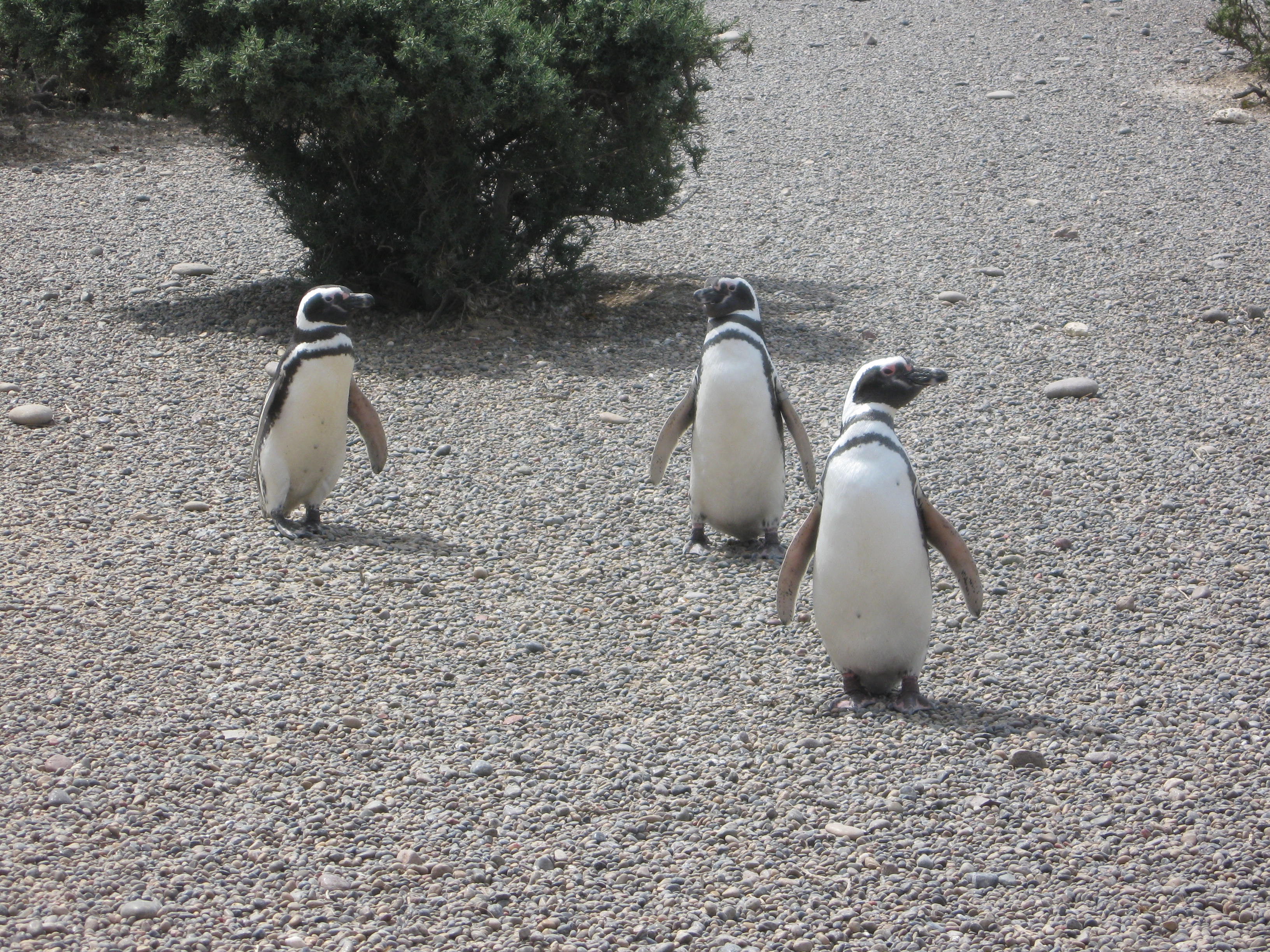
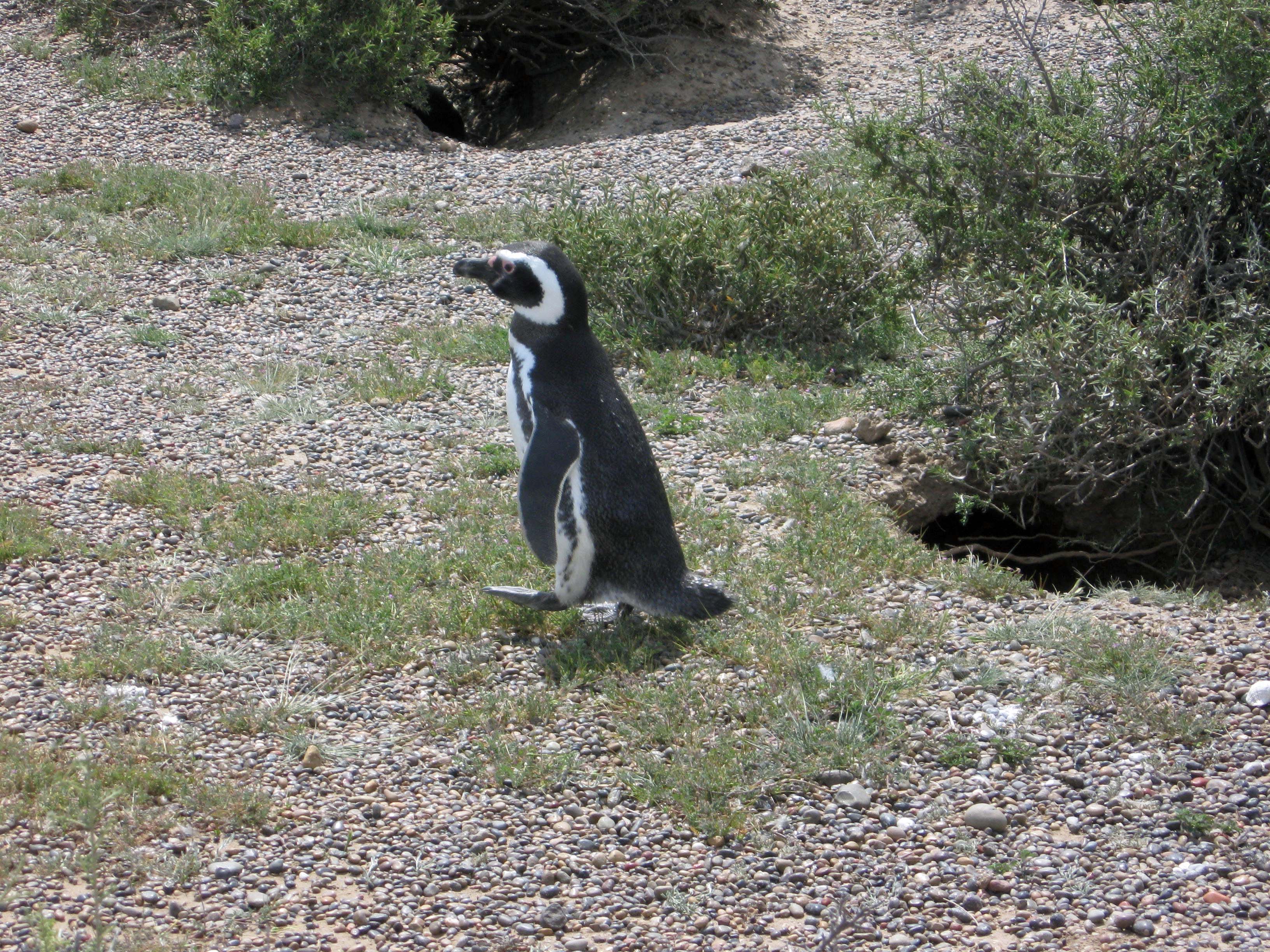
There are penguins! There are penguins walking amongst the growth that looks like sage or juniper. We walk along trails built for viewing. We’re told that right now, the penguins have come in for mating season, paired up, mated, and eggs have been laid. We’ve arrived at the egg-tending part of the reproductive cycle. That means that at any given time, one parent is at sea foraging, and the other is on the nest tending. Here, Magellanic Penguins dig burrows for their nests. I don’t know why. It sure is windy. Maybe that’s why? But instead of a million penguins fighting for real estate on a beach, the penguins walk up to a half mile inland and dig burrows amongst the little hills behind the coast.

Penguins don’t walk. They waddle. They are so cute!

Check out this waddling video! Penguin finding home!

And here, I’ve got them coming home from foraging at sea. They are all coming home to their spouses.

Got to love these guys! They were not at all bothered by us! They would just stop, look at us, and then go on their way home. We never could figure out how they find home!

There’s never a boring moment with penguins!

They were coming and going all afternoon. We were respectful of their paths. They were here for business…to get to their nests so their partner could go to sea and eat!

Tomorrow, we are to visit Peninsula Valdes proper. We will see the elephant seals, seal lions and other wildlife! Can’t wait!


Portland, Oregon to Buenos Aires, Argentina

30 11 2011

Travel on this trip was complimentary, courtesy of United Airlines’ Mileage Plus frequent flier program. My route was Portland, Oregon, through Dulles, Washington, DC, to Buenos Aires. The layover in Dulles was 8 hours. Not one to complain on a free flight, I just hung around the DC airport reading, eating, web surfing, whatever, to occupy myself. My arrival time in Argentina was just an hour later than the Iberia flight bringing the rest of the group.

My dear paddling buddy Jessie picked me up at 4:45 a.m. and delivered me to the Portland, Oregon airport. She remarked, “your bag is small, isn’t it?” And I kind of agreed. I opted to use the same Mountain Travel Sobek bag I got for a 2007 trek and frankly wondered how I managed to fit 12 days of trekking stuff into that bag. But my gear fit into it with room to spare. Still, on this trip, I had the smallest bag by far! My neighbor on the Portland to Dulles segment was headed to Bangalore, India – he was training for Adobe Systems.

The United Airlines flight to Buenos Aires was a Boeing 767. I was surprised they’d use a smaller plane for such a long flight! It was definitely older than the planes I’d experienced on the trans Pacific flights, which were Boeing 747s or Airbus A330s. It had no on demand entertainment. It had old style “tune into the movie that started twenty minutes ago” system. But it did the job. No delays for the start of the trip. I sure wished they’d given us more films and overnight kits like the Asian airlines!

Landing on a sunny Sunday morning, I was due to get to my hotel and immediately catch up with my group…no rest whatsoever!

One indignity Americans suffer is the “reciprocity” tax when entering Argentina via air. It’s a whopping $140 – but it’s good for 10 years. Once clearing passport control I was off to the Castelar Hotel.  From my taxi I noticed differences from the Asian Countries I’d visited previously. People were out exercising. They were jogging. Couples were in amorous embraces in public. They rode high tech road bicycles, clad in brightly colored biking apparel. And the vehicles were mostly European! Dominant makes are Renault, Citroen, Peugot, Volkswagen, Mercedez-Benz, with some Chevrolet and Ford. Toyota and Honda were present, but not in the numbers like in Asia or in the USA. And almost no representation from Subaru, Mitsubishi, Nissan.

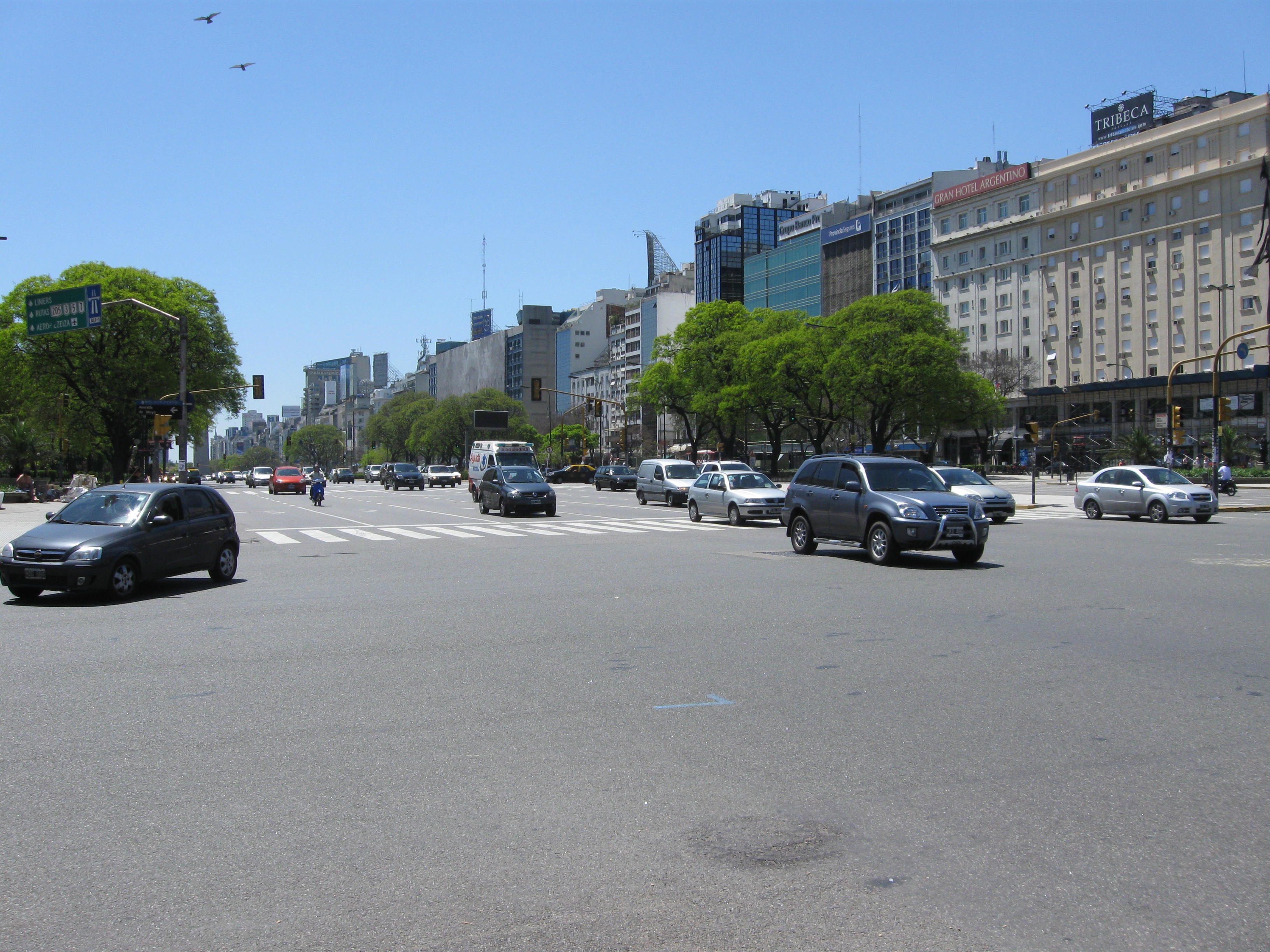
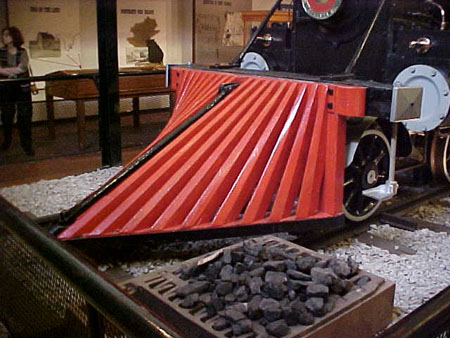
Driving style is aggressive. My taxi driver clung to the bumper of whatever lay ahead, darting around to get to the destination asap! As we entered the infamous 12-lane Avenue 9 de Julio, the largest avenue in the world, I learned pedestrians just don’t have the right of way in this place as elsewhere. When a light is about to turn green, the yellow ‘caution’ light comes on for a second, letting everyone know it’s time to step on the gas! And that they do. Time and time again I’d witness cars drive right up to pedestrians and blare the horn! It’s not like Bangkok, Denpasar or Phnom Penh, where a pedestrian can walk across through the ‘stream’ of traffic and allow it to move around them. Here you risk everything if you step out when the traffic is moving! The only thing missing on cars is a cow catcher. When I saw riot police trucks, I noticed those DO have cow catchers!

Another issue I encountered right away is language barrier. Unlike many other capital cities, English is not commonly spoken in Buenos Aires. Even the concierge at the Castelar Hotel had difficulty with English. But he had been alerted by my guide, Saskia, that I would be arriving. My group had checked in and gone out for a coffee when I arrived, and he did the best he could to direct me to them.

So once checked in, I was right out there on the street in Buenos Aires – all jet lagged but full of adrenaline! Being Sunday most businesses near the hotel were shuttered, and the shutters were splattered with political graffiti. Testament to the turbulence of political and economic life in Argentina! Later on the trip we were to experience this for ourselves on more than one occasion.

So fair warning to those considering a vacation in Argentina: Once in-country, your trip may fall victim to the whims of Argentine politics. Be prepared and be flexible!

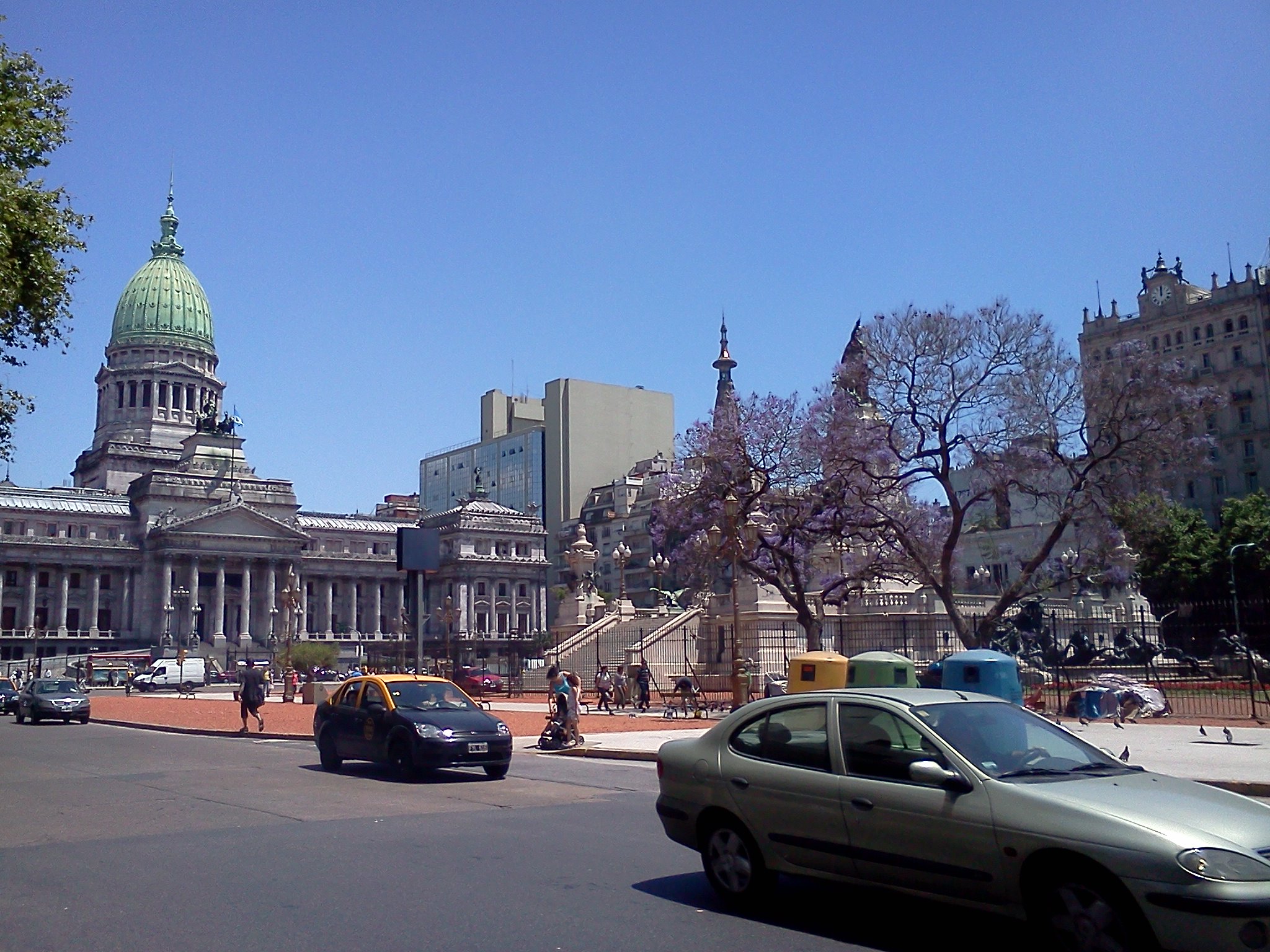
I found the group four or five blocks away sitting outside a cafe. They were getting introduced, and Saskia recognized me right away as I strode up. It was a sunny morning, and at that time maybe 60 degrees outside. Across from where we sat was a plaza. At its end was the Argentine Congress building.

As we were all gathered and accounted for and a day yet to be experienced, Saskia had us head back to the hotel to get refreshed, and then spend the afternoon exploring Buenos Aires! It was this day several of us headed out and became travel buddies.


Adventure 2011 Argentina / Chile

28 11 2011

I am a decidedly hooked overseas traveler and could not wait to get my fix any longer! I’ve had some tough times these last couple of years, so I’d put off venturing, but nothing would stop me from exploring in 2011! I had over 100,000 frequent flier miles with United Airlines, which were set to expire. Last time I went overseas was in 2008 to Laos / Cambodia, and that was fantastic. I’m in love with SE Asia and the Himalayan region. I was tempted to return, but I’ve been there seven times – and I’ve never been to South America. So this time, I decided to head directly SOUTH. Time to save my soul and escape my world…to Argentina and Chile – to Patagonia!

Because  for me, getting outside my neighborhood, city, state – my country – seeing life from outside, from another perspective – only that refreshes my spirit!

Honestly, I didn’t have a lot of information, but I knew I’d like to experience the Andes, and probably Tierra del Fuego. Timing was important. In 2011, I worked as a sales consultant and guide/instructor at Alder Creek Kayak and Canoe, and their busy season is summer, winding down with the Lumpy Waters Symposium in October. I inquired with Suzi Elle, one of the owners, about taking vacation and her reply was “anytime after Lumpy!’ So with that in mind, I targeted late October/November for a start time!

It looked like this would be a good time for Argentina and Chile. But it would also be a good time in the Himalayas – prime time is right after monsoon season. Also in the southern hemisphere, I could head to South Africa, or New Zealand. But it seemed the right time for me to see the “other America.” It would be late spring down there. Without a lot of time for research, and wanting to see a lot, I wanted to do an organized trip, so I looked at two companies I’ve worked with, Djoser, out of Amsterdam, and Mountain Travel Sobek, based in San Francisco. I had gone to Thailand with Djoser in 2004 and had a great experience. In 2007 I did an unforgettable 110-mile Himalayan Trek in Bhutan with Sobek. Sobek had a 3-week hiking trip focused on Torres del Paine National Park. I looked into this and really was interested, but I couldn’t get frequent flier flights to match up. So, I looked at Djoser again, and began to realize their agenda might be more an experience I preferred. That is because their three week trip covers much more of Patagonia. They do time in the Fitz Roy Range, and Tierra del Fuego, and even have some days up in the Lakes District, as well as seeing marine life on Peninsula Valdes. It would be more “road time,” but one would get a better overview. Sobek’s trip would be much more in touch with the outback areas of Torres del Paine, away from the throngs of backpackers.

So I inquired at the Djoser USA office in Pennsylvania. They cautioned me that the trip I was looking at was an international group, so I might be the only American. I’d have to be OK with that. I was not worried one bit. Djoser’s groups mostly cater to Dutch, and some other Europeans too. I knew from my experiences with Dutch citizens that they are gregarious, considerate, polite and nearly everybody speaks English. I didn’t worry about any issues. I signed up, and went about calling the frequent flier desk at United. I tried. And tried. “No seats for those dates” was the response for several tries. I began to despair. But one customer service agent took me under her wing, telling me that, “Seats open up, so don’t get discouraged! Keep calling every day!” So I did.

And then it happened. One day I reeled off the same inquiry, dates, times, and the response was, “OK, we have seats on these flights…” I just about hit the ceiling! Hardly containing my delight that I got a FREE flight to South America on the dates matching my itinerary, I booked them on the spot!

I was going! I was going on a trip to Patagonia! We would be seeing penguins, southern right whales, elephant seals, carakaras, guanacos, condors, hike in Torres del Paine, watch tango dancers, bask in the view of the spires of Cerro Fitz Roy, walk on the Viedma Glacier, cruise the Lakes in the Lakes District near Bariloche, and reach the end of the world at Tierra del Fuego!

Here’s a great photo of my comrades on this trip! We were American, Dutch, Belgian and Turkish. A wonderful group…of varied ages and professions!

I was in! So what follows is a story of the trip to the highlights of Patagonia! Stay tuned!