Puerto Natales, Chile: Patagonia’s Outdoor Ground Zero

30 12 2011

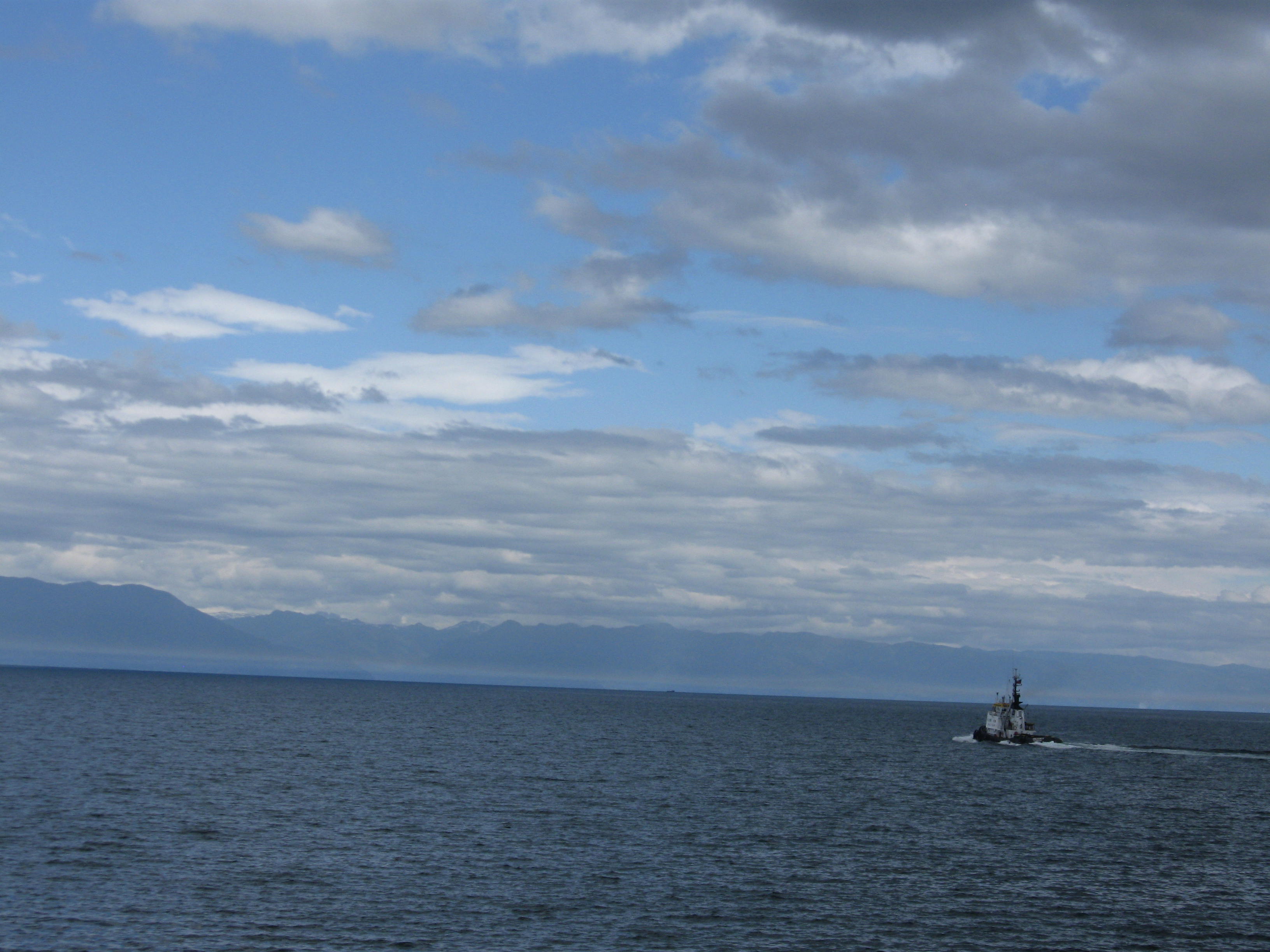
Looking east from the Puerto Natales waterfront

Today the next phase of our Patagonian odyssey begins! By tonight, we’ll be near the bottom of South America! Sunset will be after 10 p.m. We are flying from Puerto Montt, Chile, to Punte Arenas, and will drive to Puerto Natales, Chile. We’re going to the heart of Chilean fjord country! If you have thought what you’ve read about on this blog so far is amazing, well, it’s time to step it up a few more notches! The days ahead are filled with HIKING, glaciers, desert icebergs, wildlife, we’ll be right in the midst of the best of it!

The Puerto Montt airport is unexpectedly modern, as is the airport in Punte Arenas. We fly an Airbus A320 on Sky Airlines. The route takes us over the Patagonian Andes. Below, I can see the Pacific, and even where the Andes meets Argentina. You can see rivers of ice flowing into blue lakes and the desert. It’s an incredible spectacle! We’ll be starting in Puerto Natales, and each destination will take us further north, Torres del Paine National Park, then El Calafate, and then El Chalten.

After touchdown, it’s a couple of hours to Puerto Natales, which sits right on the water with endless fjords visible from its waterfront. We’re staying in a backpacker hostel, called Hostel Natales, several to a room. It’s big, and has a comfy atrium to hang out in.

Puerto Natales is the gateway to Torres del Paine and O’Higgins National Parks. It attracts so many outdoors enthusiasts that the grocery stores have stocked backpacker food!

Looking out from Puerto Natales, glacier-cloaked mountains jump right from the water. A NaviMag ferry is tied up at the waterfront. These ferries ply these fjords. It is several days ferry ride from Puerto Montt to here. Take a gander at the Navimag website to see the incredible journeys.

Even though it’s early evening, the sun fools us. It is so bright we’d think it’s mid afternoon!  We’ve heard about an interesting Patagonian/African restaurant called Afrigonia-and we are all gonna check it out.  I will disclose here and now that this restaurant deserves the 5-star rating! I had seasoned rice and ostrich, accompanied by a to-die for house Malbec. If you are in Puerto Natales you should pay this establishment a visit! Service is just as good. Do not be deterred that this place is frequented by people just like you-outdoors enthusiasts, and not so much locals. It’s too good to pass up. OK wind the clock back. Before we go out, we’ve got some time to burn so we shop at the supermarket, walk the streets, and pose for pictures.

We check out the waterfront. We stroll up and down, and marvel at the views.

We find this broken down life boat!

I’s too cool to pass up and even has working oars!

Perfect for a photo opportunity.

Since we’re going to spend more time hiking tomorrow, we ventured through the town to the grocery stores to get picnic supplies.

It is here I witness for the first time the global attraction of Patagonia! I hear Russian, French, Japanese, Italian, and some language I cannot distinguish. Portuguese? And Hebrew? All these people are dressed in hiking boots and Goretex. They are all here to do what we are to do – experience the wonders of the spectacular Patagonian outdoors! Not just backpacking – ice climbing, rock climbing, kayaking, rafting are great here.

Walking around town, I see tour operators. Some are offering multiday kayak trips…
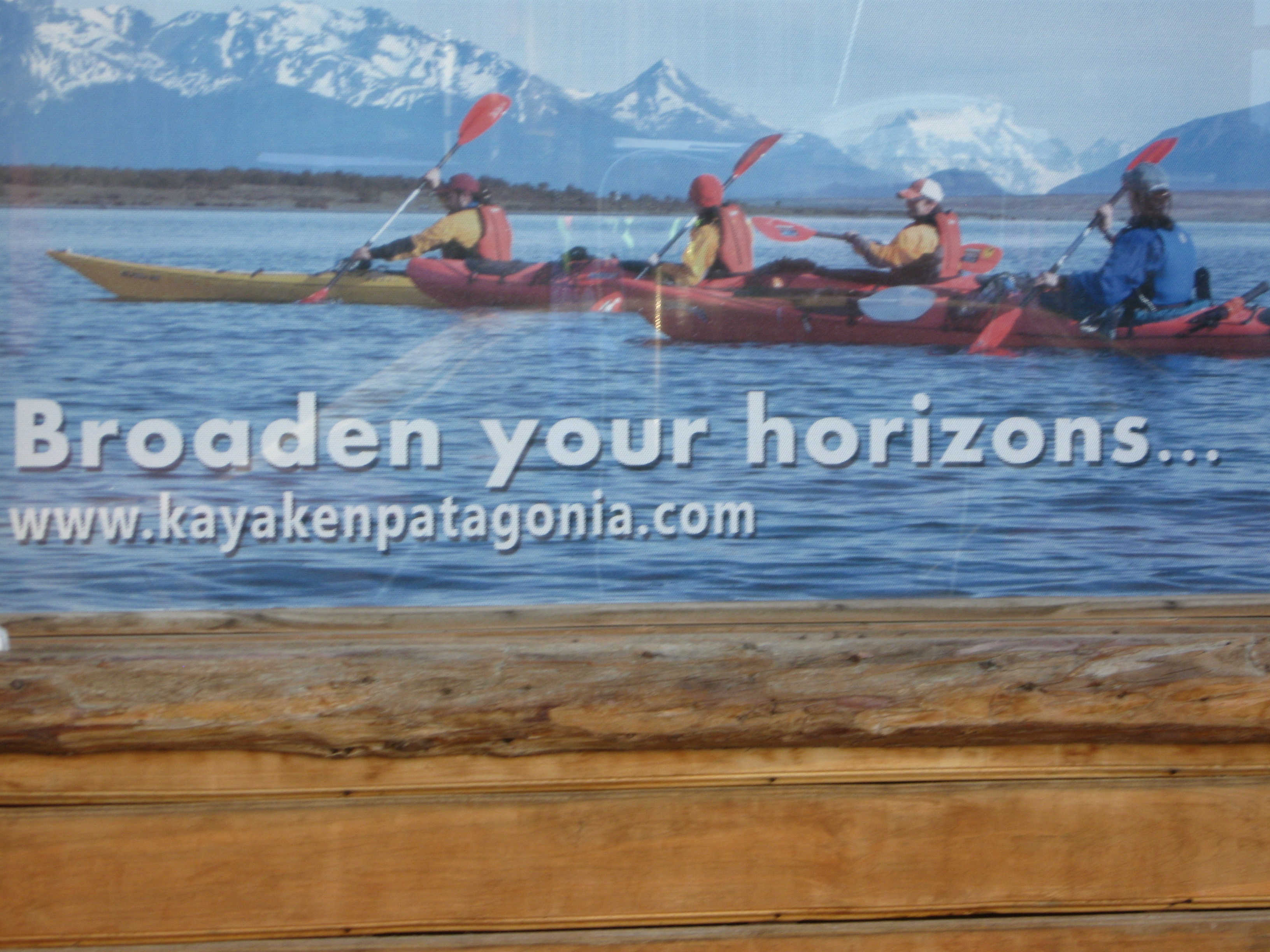
Others, a hard to understand mix of jet skis and kayaking?

In any event, it’s clear Puerto Natales is a magnet, a hub for the outdoors activities that make this region so popular.

We are on the doorstep of  Torres del Paine National Park. That is our destination tomorrow! It is South America’s Numero Uno National Park.

We’re excited to get into the outdoors ourselves. In the morning I get out before breakfast to catch the morning light as it will be shining on the opposite side from last evening. I just love the lighting on the boats I see from the waterfront. There are fishermen using hand lines and some professional fisherman are readying their boats for a day of fishing for a living.


Over the Andes and Under Puyehue (Mount Doom)

23 12 2011

Last evening Angelique and Eray found a dance production of Evita in Bariloche. I opted to recharge myself with an early evening free of partying! I awake refreshed and replenished. Opening the window of my room, I notice things have changed. The blue sky is gone. It is replaced with a gray haze. Uh oh. Shifting winds have carried ash from the Puyehue volcano to this pretty city.

We’re driving to Chile. Saskia has us loading the bus at 7:00 a.m. because she wants us to get to the border ahead of any crush of vehicles wanting to get through passport control and customs. Little did we know how great a decision that was, but not for those reasons! Mount Doom had other plans today.

Our trip originally called for a flight from Bariloche. But Puyehue erupted massively June 4th, sending ash 30,000ft high, and has been been active ever since, closing regional airports due to airborne ash.

So our itinerary was re-arranged so that we would drive over the Andes and fly from Puerto Montt, Chile. Volcan Puyehue is legendary. It is part of a volcanic region called the Puyhue-Cordon Caulle Volcanic Complex. This is a group of four Andes volcanoes known to be dangerous. One of the volcanoes, Cordon Caulle, erupted immediately after the Valdivia Earthquake in 1960, which was the largest ever recorded.

As the volcano is no joke, we want to get across as soon as we can. Ash can cover roads, and its dust can clog auto engine intakes. We drive into the Andes, and the higher we get, evidence of the summer’s activity is everywhere.

For those whose businesses depend on tourism, the volcano is a disaster. We pass countless empty lodgings.

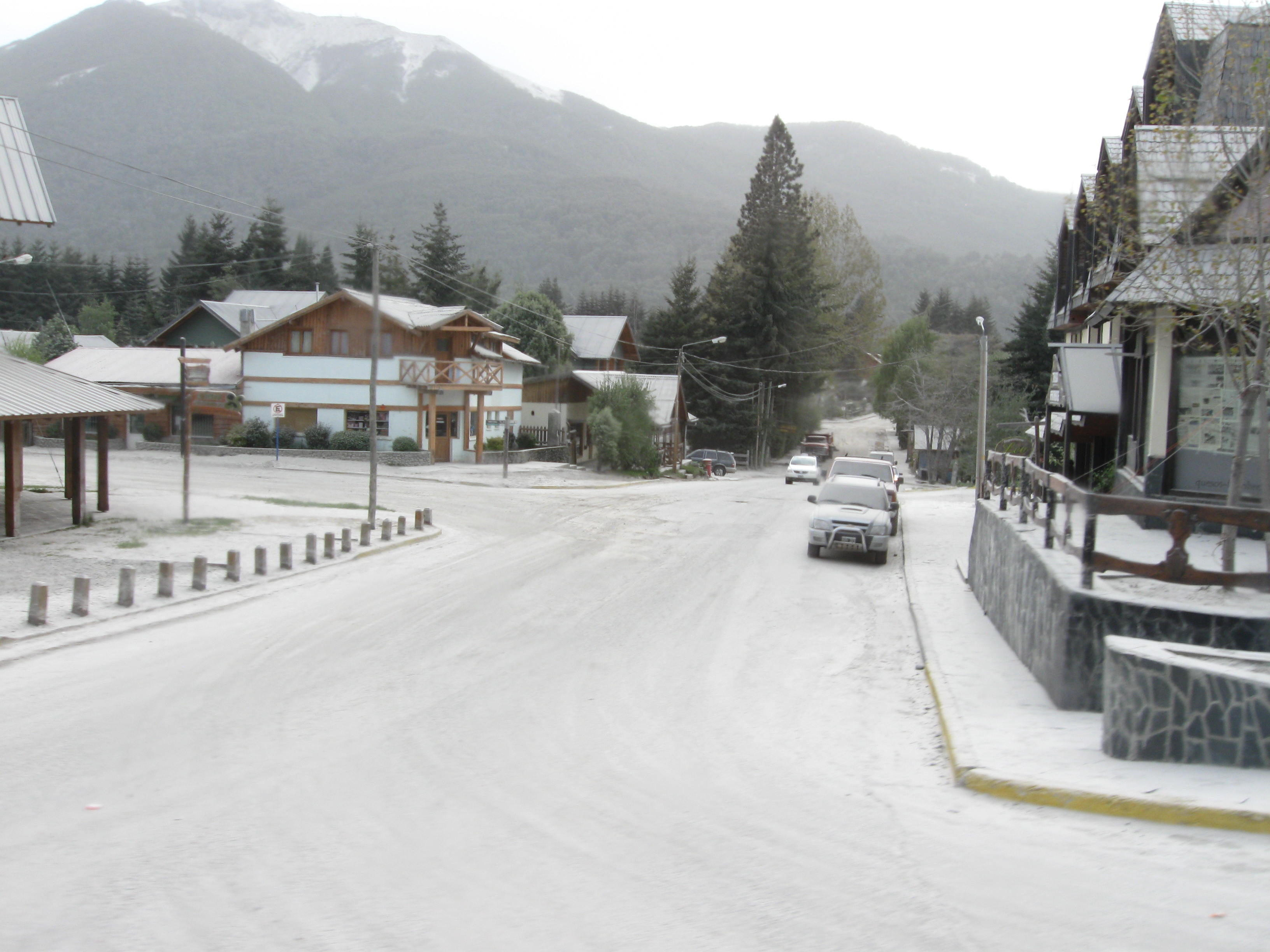
Where once vacationers thronged to enjoy the lovely setting, these places stand quiet under a deepening blanket of gray/white fluff.

As we drive ever higher, each passing car throws out a cloud of gray behind, making driving increasingly challenging.

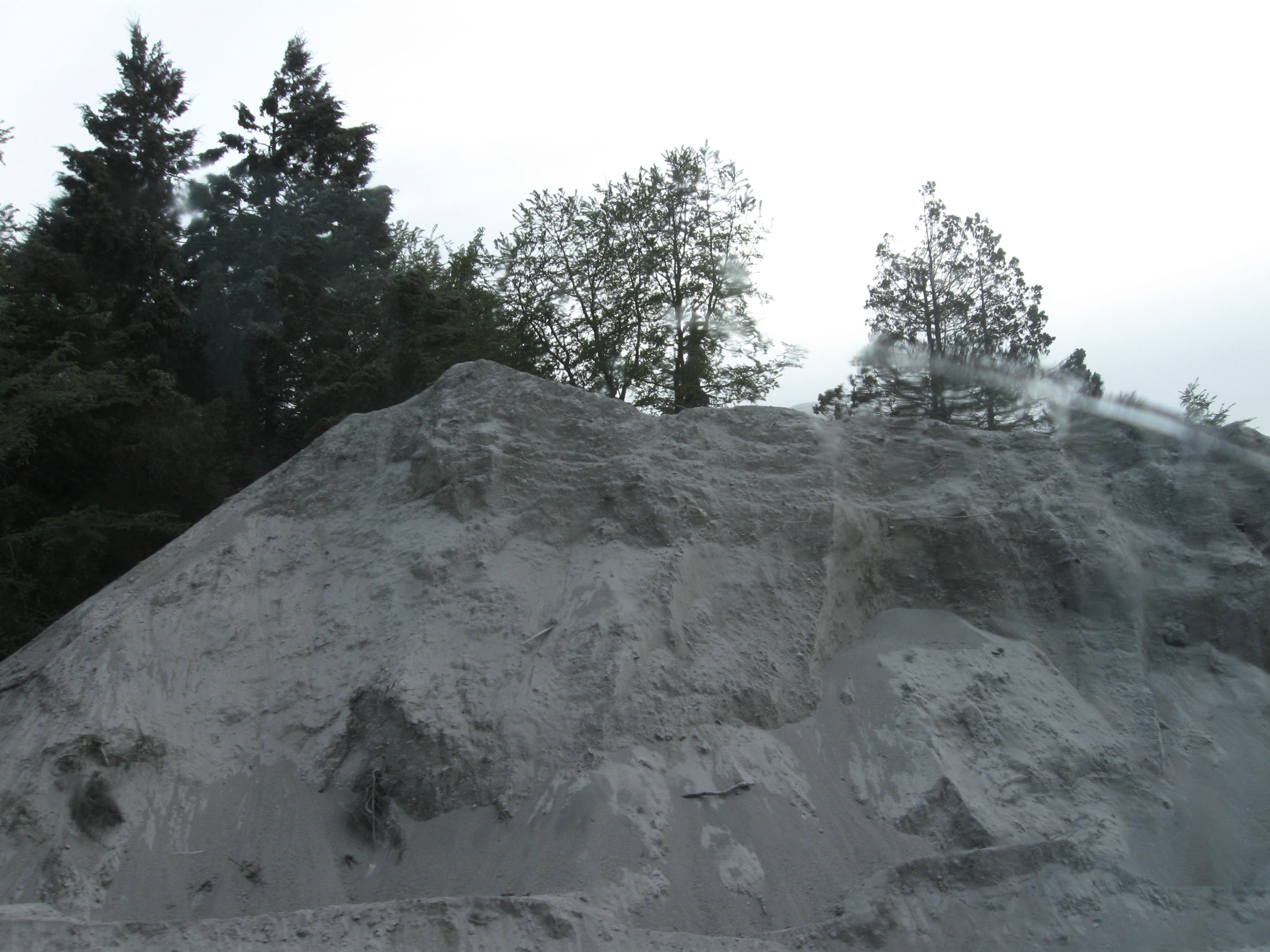
Piles of ash lay like 12-foot high snow drifts on the roadside.

Beautiful alpine lakes with pretty resorts are covered in ash. It’s amazing how it looks like snow.

And it’s all from Puyehue, which was dormant for nearly a generation. Her full fury was captured by photographers early in June…

Truly Mordor's fury

We passed through the Argentine side, then headed 30 km distant to the Chilean border checkpoint. This “no man’s land” was truly an ash-mess, and we hurriedly dove to get through. Once cleared customs on the Chilean side, I looked up into the gray and saw a sinister darker cloud rising through…this turned out to be increased activity today! And they closed the border right behind us!

Just above the passport office!

We thanked God we left early today because nobody else was going across. Along the descent into Chile, we continually marveled out the back window at the spectacle happening above.

I had never driven through ash, let alone witnessed a volcanic eruption. Our drivers were not about to stop to let us take pictures!

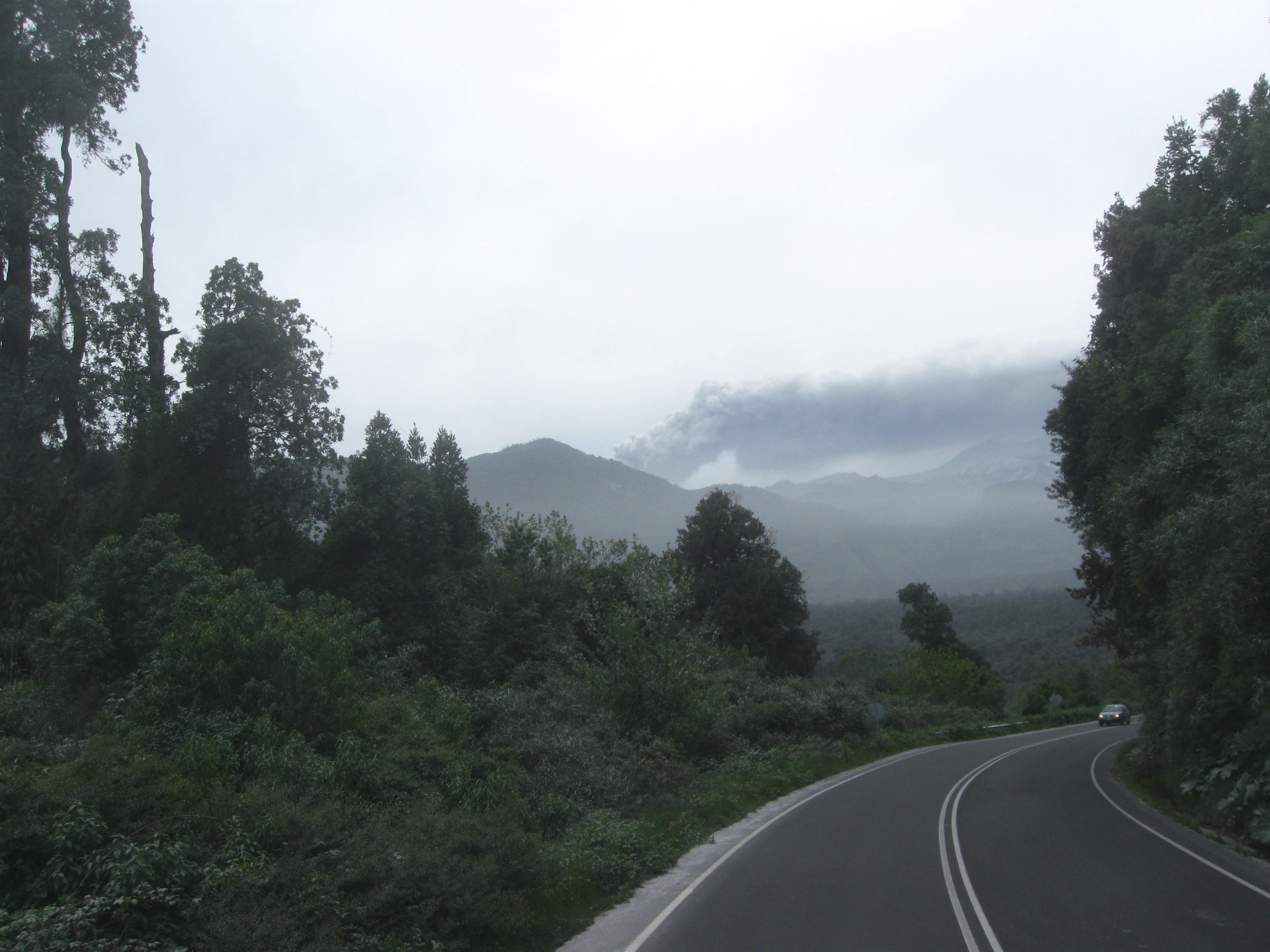
As we arrived in the valleys in Chile, things settled down quite a bit. We could see Puyehue pushing her smoke into the sky behind, and yes it was good to be beyond it.

Going further and further into Chile, it’s amazing how different the environment is! Instead of so much arid climate, which starts 20 miles to the east of the Andes, Chile is lush. There is green undergrowth and overgrowth everywhere. Lots of ferns. Philodendrons.

We reach a valley and lake. Down here, Chile is characterized by green pastures peppered with cows and other livestock.

Things look good here!

We stop for a bite to eat. Saskia orders, guess what? Ham and cheese for everyone, which I decline. But there are locals having some delicious-looking meals! I see giant mussels. Our drivers get plate-sized fish and veggies/potatoes. Someone else has a fantastic looking stew. So, they have food options here! I see something irresistible, a kind of pie which is a kiwi type. I order it, and it is GOOD! Viva Chile!
Chile is truly the land of volcanoes. One we pass is particularly beautiful, it is called Osorno. It’s nearly perfectly cylindrical…

As we enter Puerto Montt, the city itself is dominated by the Calbuco volcano.

At Puerto Montt, we reach the Pacific! Yes, that’s right. When we get to Puerto Montt, we have crossed the continent!


Argentina’s Lake District: Beautiful Lake Nahuel Huapi

21 12 2011

Waking up feels unpleasant. I make my way down to the “breakfast” area, where, once again, we are only served croissants, toast, canned fruit, orange aid and coffee. Instead of the usual buffet this hostel has set out specific table servings. I wash down what’s at my seat and in my half-life state it’s not enough and I break the cardinal rule of grabbing extras from the empty place next to me. I am immediately admonished by the hostel’s maternal proprietor! She was right.

Today we are taking a boat out on the lake and then hike a beautiful water trail up to a higher altitude lake. It should be really pretty, with lots of mountains and snow everywhere cascading into the lake.

As we gather outside, someone walks raggedly down the sidewalk. It’s Mat from last night! He has not gone home yet! He is in need of getting to a bed, and it turns out he is staying in our hostel! We make quick re-acquaintances but he is in no shape to hang around. We hope run into each other sometime in the next couple of weeks.

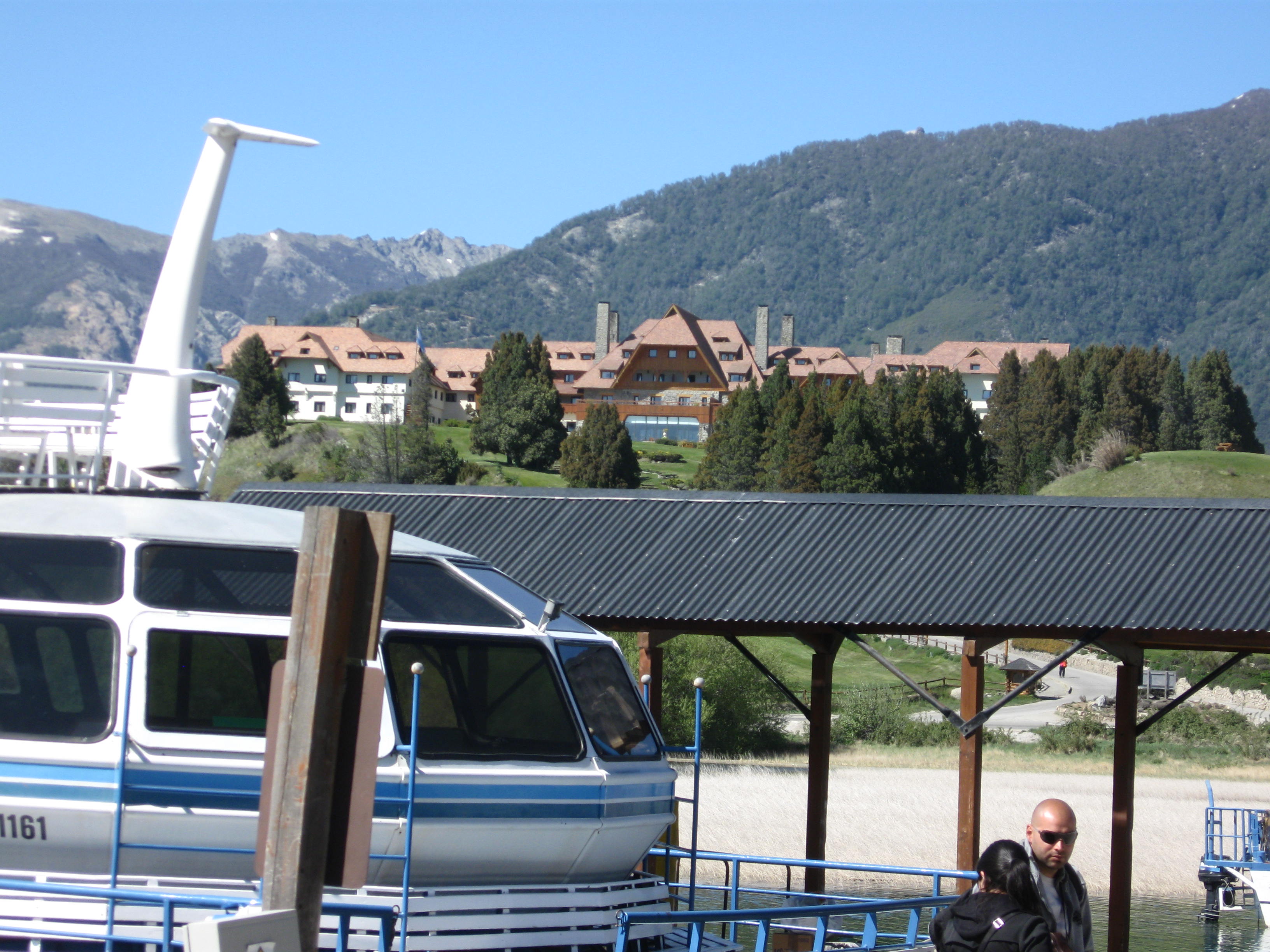
A lengthy drive along the lake shore, past lakeside resorts and estates, leads to a port, Llao Llao, where ferries disembark for various destinations. Just behind the port lies a picturesque resort.

We wait a very long time for our ferry. It must be over an hour. We can see the ash cloud in the distance. The weather on our side of the lake is perfect, of course!

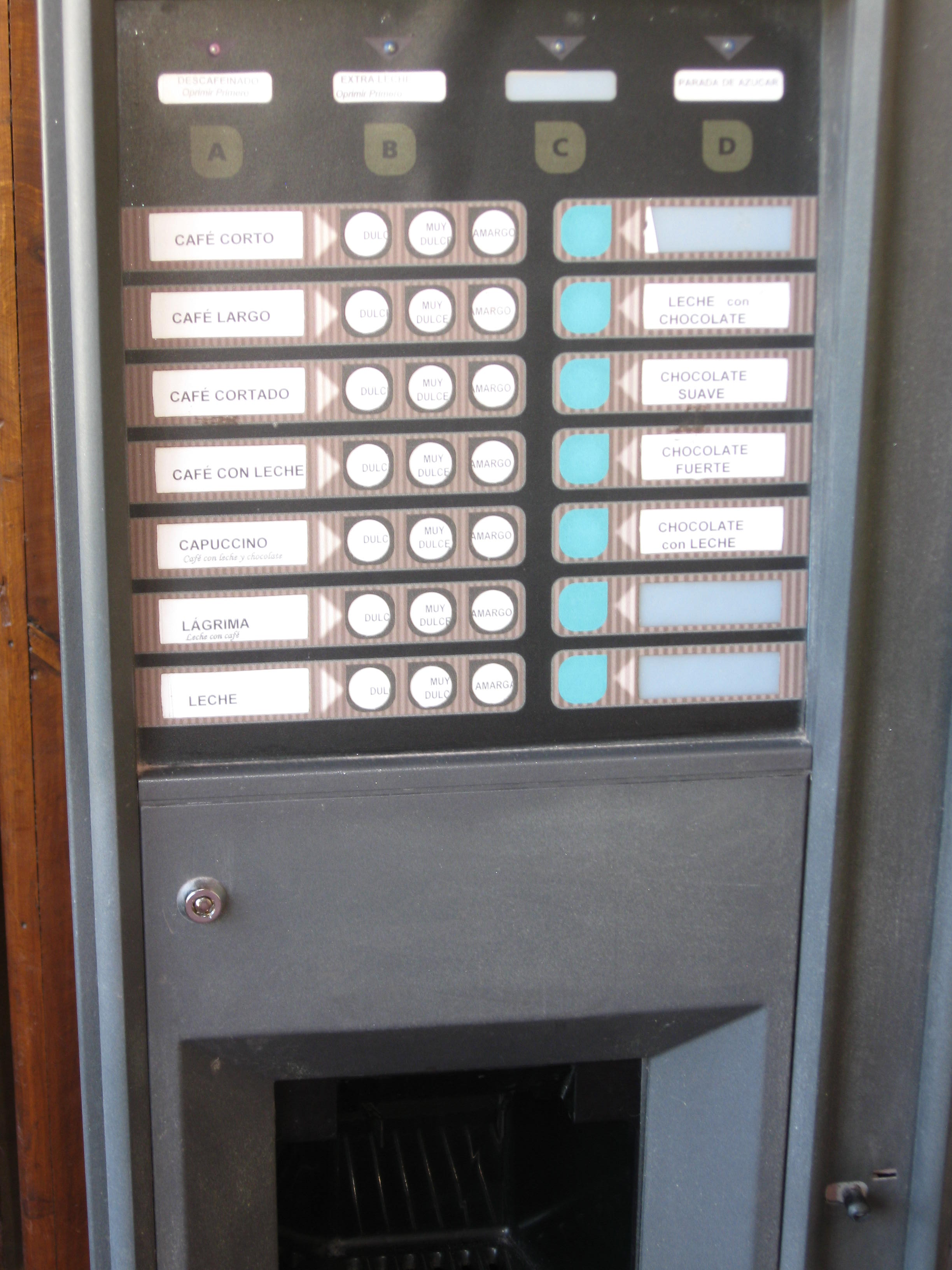
One thing worthwhile during the wait is coffee! They have this ‘electronic barista’ which makes darn good espresso! Heck we could use these in Portland!

Lake Nahuel Huapi is like a Lake Tahoe even bigger, with mountains all around, cascading into the lake. Like Tahoe, it’s over 1,400 feet deep.

Unlike Tahoe, this lake has many arms and peninsulas. So one can’t see it all from any shore. But as you can see from this map, it extends almost into Chile.

Finally we load up and depart. The ferry is a catamaran, with what looks like a space ship suspended above the two pontoons. It’s pretty fast!

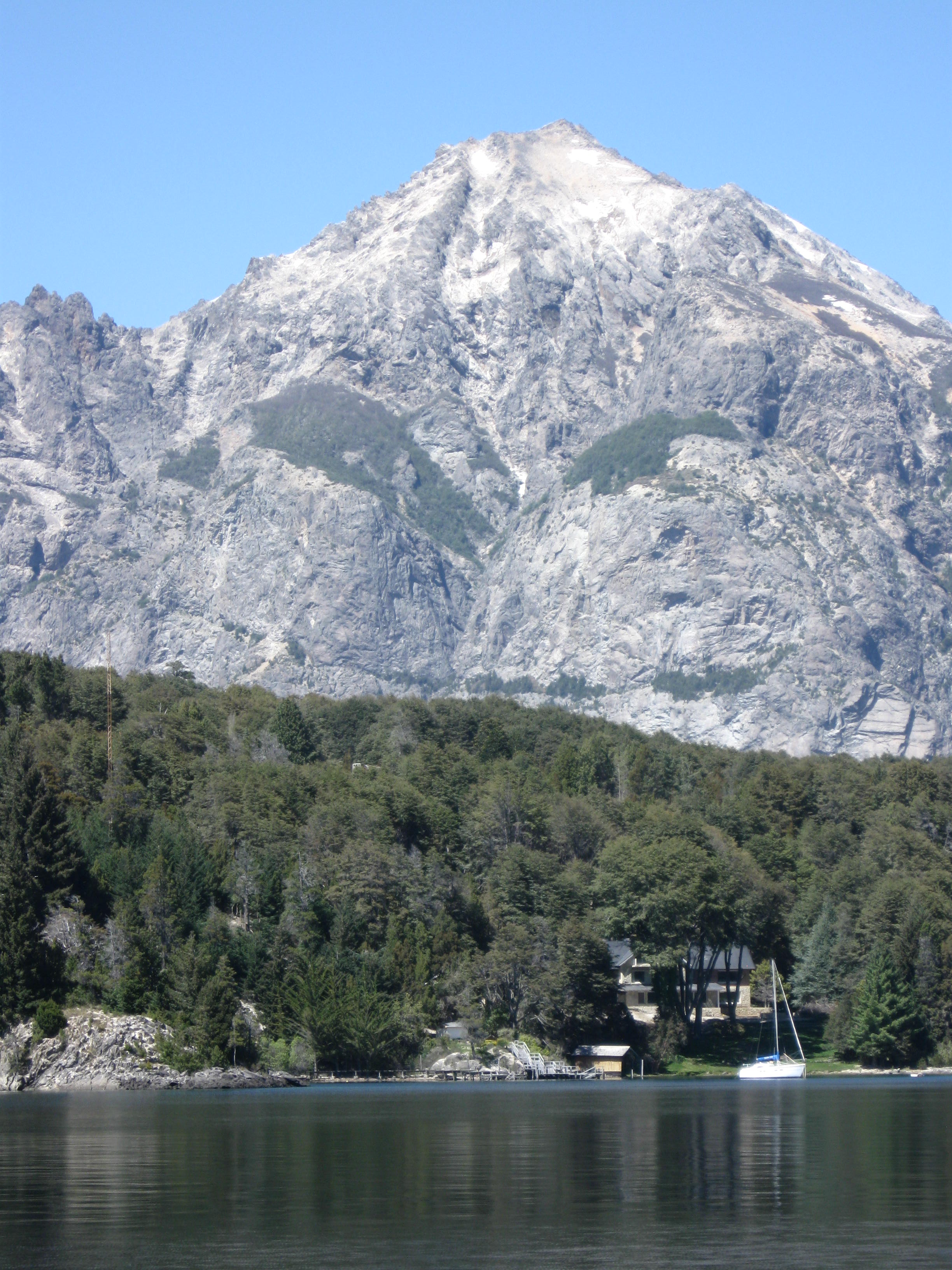
Along the shore we see the lovely properties with views. Some have a sailboat moored, and docks.

The ferry picks up steam and really cruises. Although I opt to stay outside, it’s quite nice in the cabin. There are windows in the ceiling so you can see the mountains all around. And for those who want to imbibe there is a bar.

You can walk all around the perimeter of the boat, or even go up on the roof. So, it’s very nicely designed for those who want to see everything.

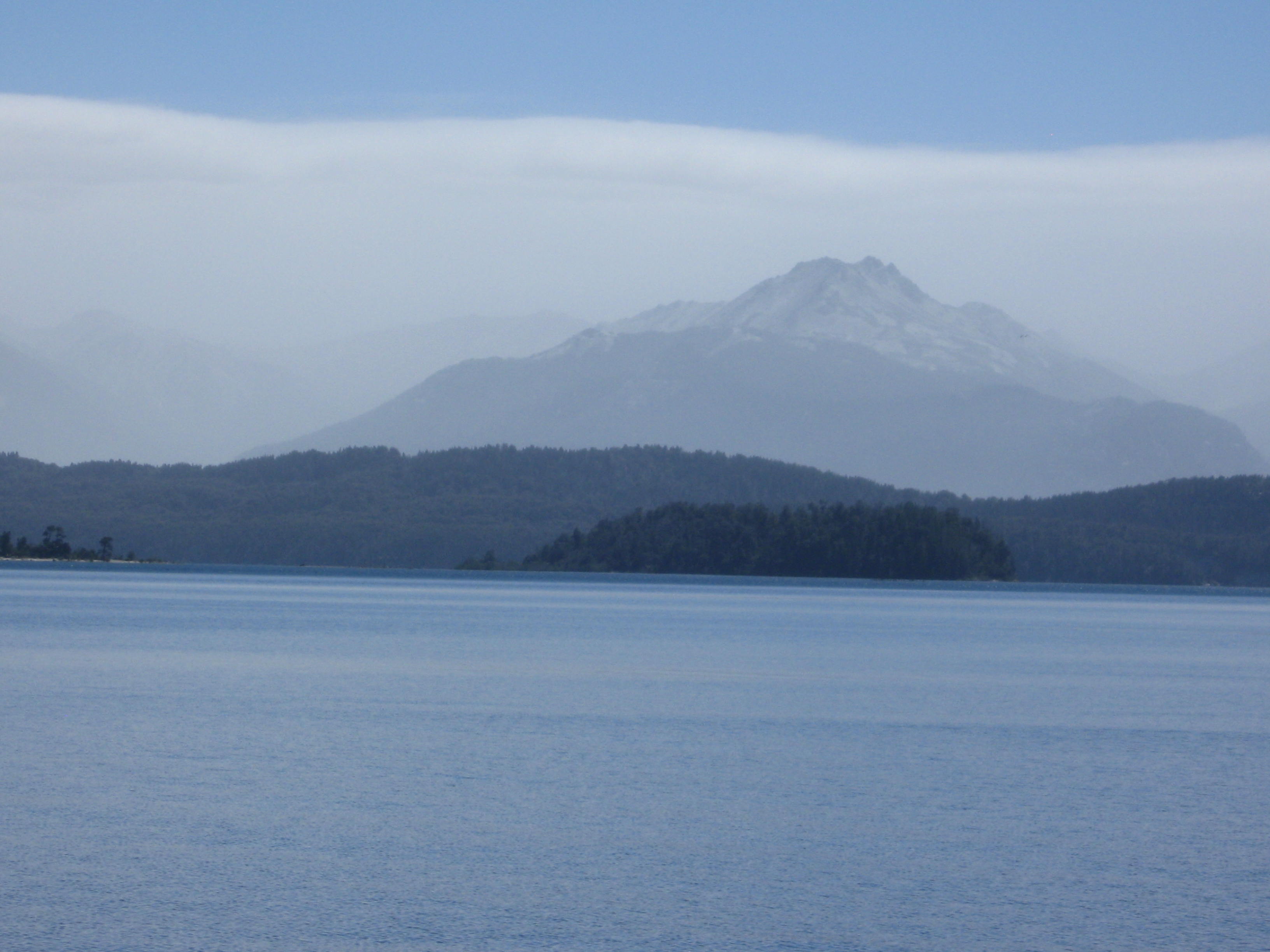
As we head out, we can see peaks everywhere. On our side of the lake it’s a perfect day. Very little wind, calm water, beautiful sky. Still, we can see the ash cloud and we wonder about what’s going on over on the Chilean side.

It’s so pretty, and none of my friends know about this place. None of them talk about going to Argentina! It’s kind of amazing because it’s absolutely stunning!

Our ferry comes to a small bay surrounded by snowy peaks. We stop at a dock to disembark, have lunch and then do a four hour hike up one of the cascading rivers. It’s going to be fantastic. It’s such a lovely temperature!

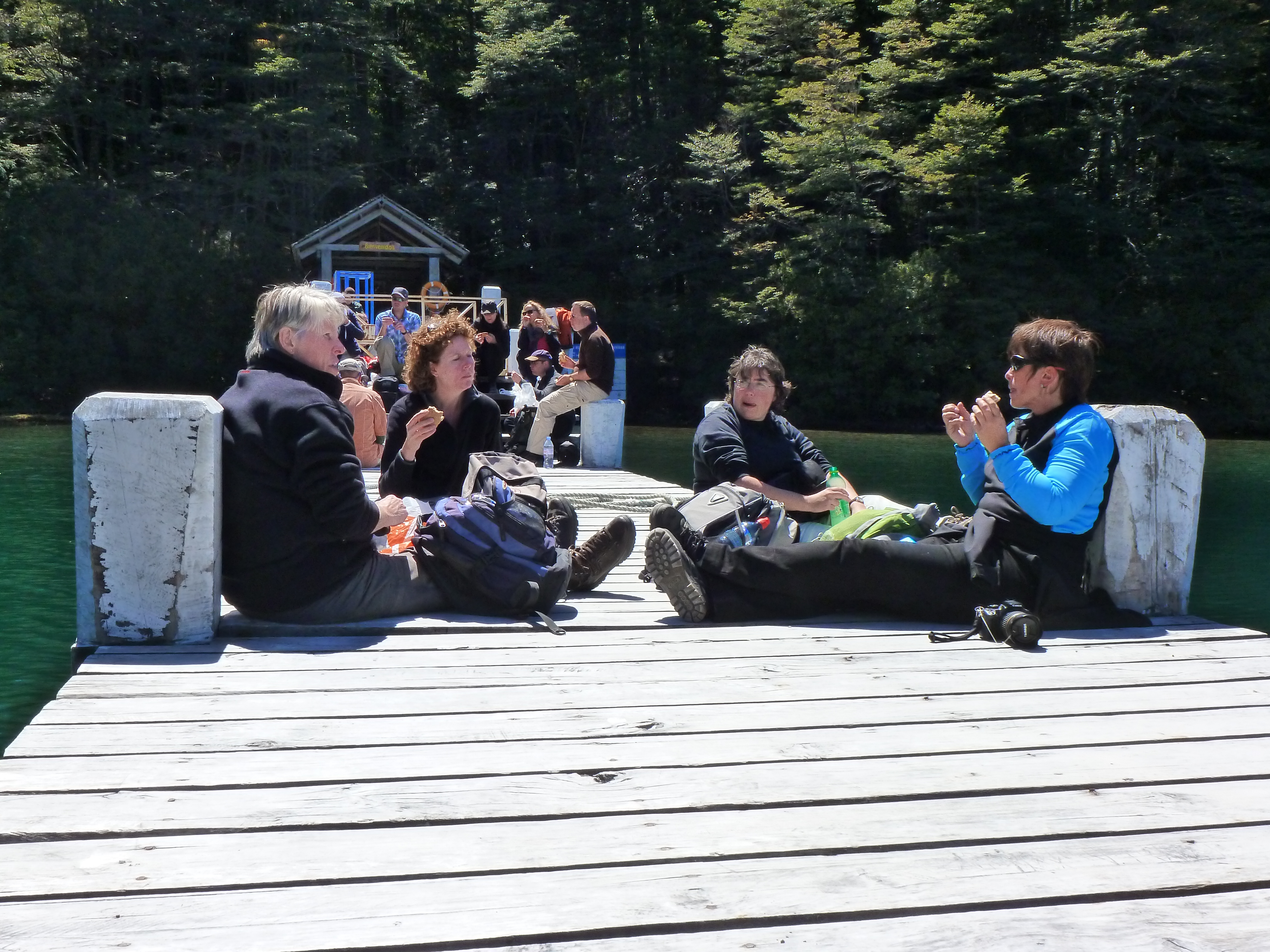
Once the ferry leaves we take time to have our picnic on the dock.

We’re told to meet the boat at another dock on the opposite side of the bay later on…

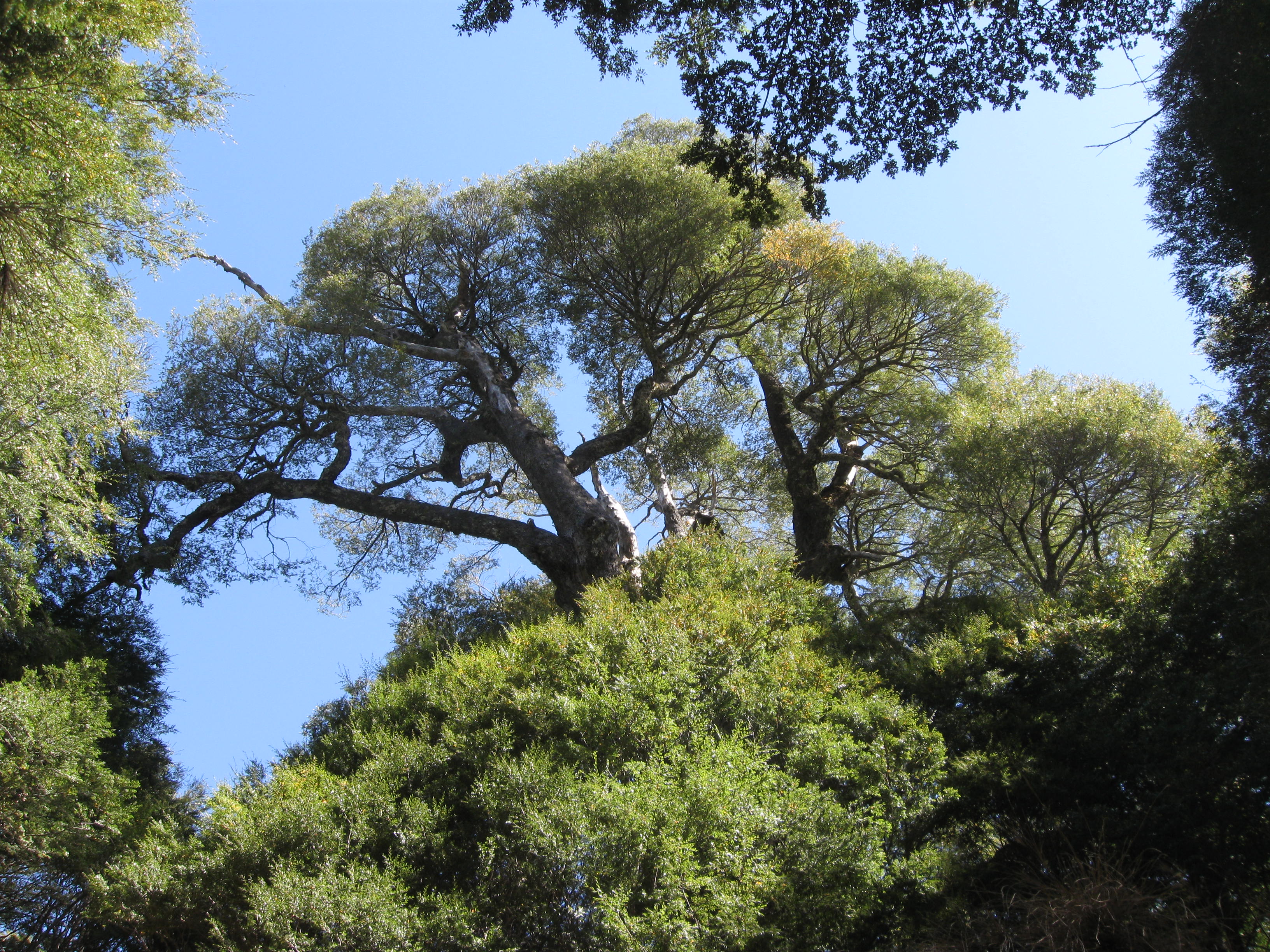
The trail winds amongst bamboo, some alerces trees, and the Patagonian beech trees, just gigantic, dominate everything.

It climbs away from the lake and follows a cascading river. On the climb, the trail is actually built on platforms. I get the idea that this must be really busy in the summer! We’re continually reminded that our timing is 100% perfect. Early November we experience no bugs, and few crowds. Up and up the trail winds. The sounds of the cascading river are everywhere, and there are trail extensions to view it. It’s magnificent.

We witness a duck who seems to thrive here. It’s amazing how it can dart in and out of the whitewater looking for food. It’s called a torrent duck of course!

It is simply amazing. It isn’t here by chance. This guy wants to be here, this is his favorite hunting ground! I’ve never seen anything like it.

We keep climbing, and reach a lake high above! It’s surrounded by high peaks.

I cannot help but re reminded of its resemblance to Yosemite National Park in California.

There are some other tourists there, some Swiss girls. They are really funny, they keep practicing swear words in English!

Here is a video of the mountains and lake area

Descending to the lake, we wend our way to all sorts of different flora, one of which was bamboo. There are tunnels of bamboo. It is native to this part of South America…

A towering Patagonian beech tree

On our return, the ash cloud has drifted closer to our side. It is covering one of the islands only three miles away. It still doesn’t affect us.

We’ve got one evening left in Bariloche. I’m not up for another one like last night! But Elwin is going back to that pub to try and see if Carolina shows up.
Tomorrow we will make our way over the Andes, past the Puyehue volcano and to Puerto Montt, Chile!


Valdes Peninsula: Southern Right Whales, Elephant Seals, and Ice Cream!

8 12 2011

Another day dawns clear and bright! I stroll along the Puerto Madryn waterfront for 30 minutes before breakfast, watching the comings and goings of people who live here. There aren’t many out yet, but some are jogging, others on bicycles, and some taking in the fresh air along the beach. It’s a significant bay, you can’t see the other side from the beach. It’s going to be a big day starting with Southern Right Whales!

Our breakfast at the Hotel Costenara is a source of displeasure for many (follow the link and you can see the breakfast for real). There are no eggs, no hot cereal. It’s just dry bread, croissants, some cold cereal, some orange “cool aid,” and bitter coffee. The “fruit” is canned. For those of us who love breakfast, this is a hard time of day.

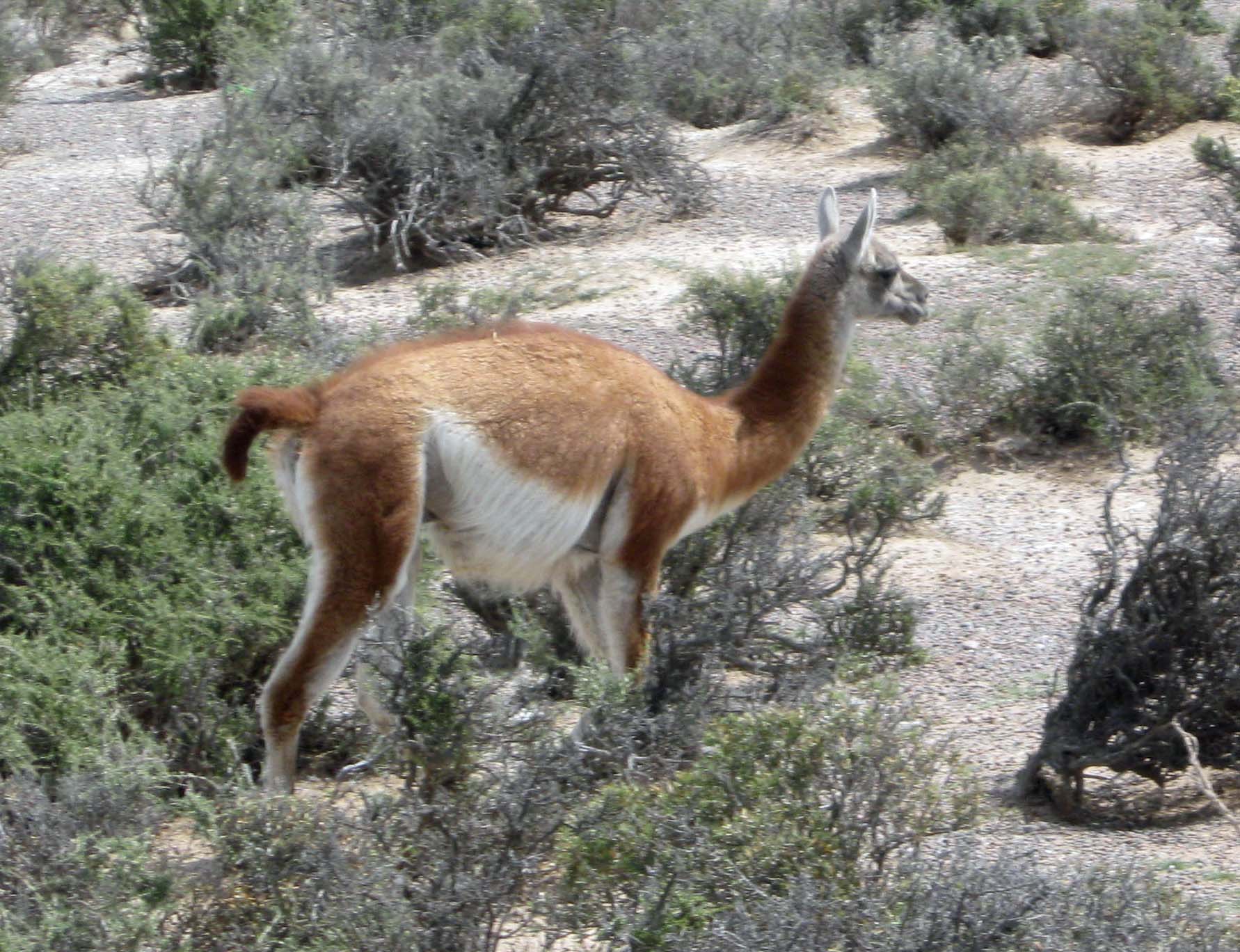
Off to see wildlife! On the way, we catch sight of guanacos! I’ve never seen them in person. We see lots and lots of guanacos! They live in herds of up to two dozen.

I’m looking forward to seeing marine mammals!  The Valdes Peninsula is such a treasure trove of marine species that its preservation has global significance. It was named a UNESCO World Heritage site due to its importance, particularly for the endangered Southern Right Whales that rear their young there.

By 9:00 we arrive at Puerto Piramides, a hamlet which is ground zero for whale watching.  While we wait for things to get going, I watch a 60-ft sailboat lying at anchor offshore. And wow! Whales are right in front of the boat, clearly visible, spy-hopping and I even sight a breach! I see another several hundred yards from the first. The whale watching boat makes us wear these ridiculous PFDs that I will not show on the internet! I doubt they would do any good in the water – they’ll just float right off my body, instead of holding me up! We’re dressed for potential cold spray and wind, but it’s going to be a warm, still, beautiful morning. Perfect!

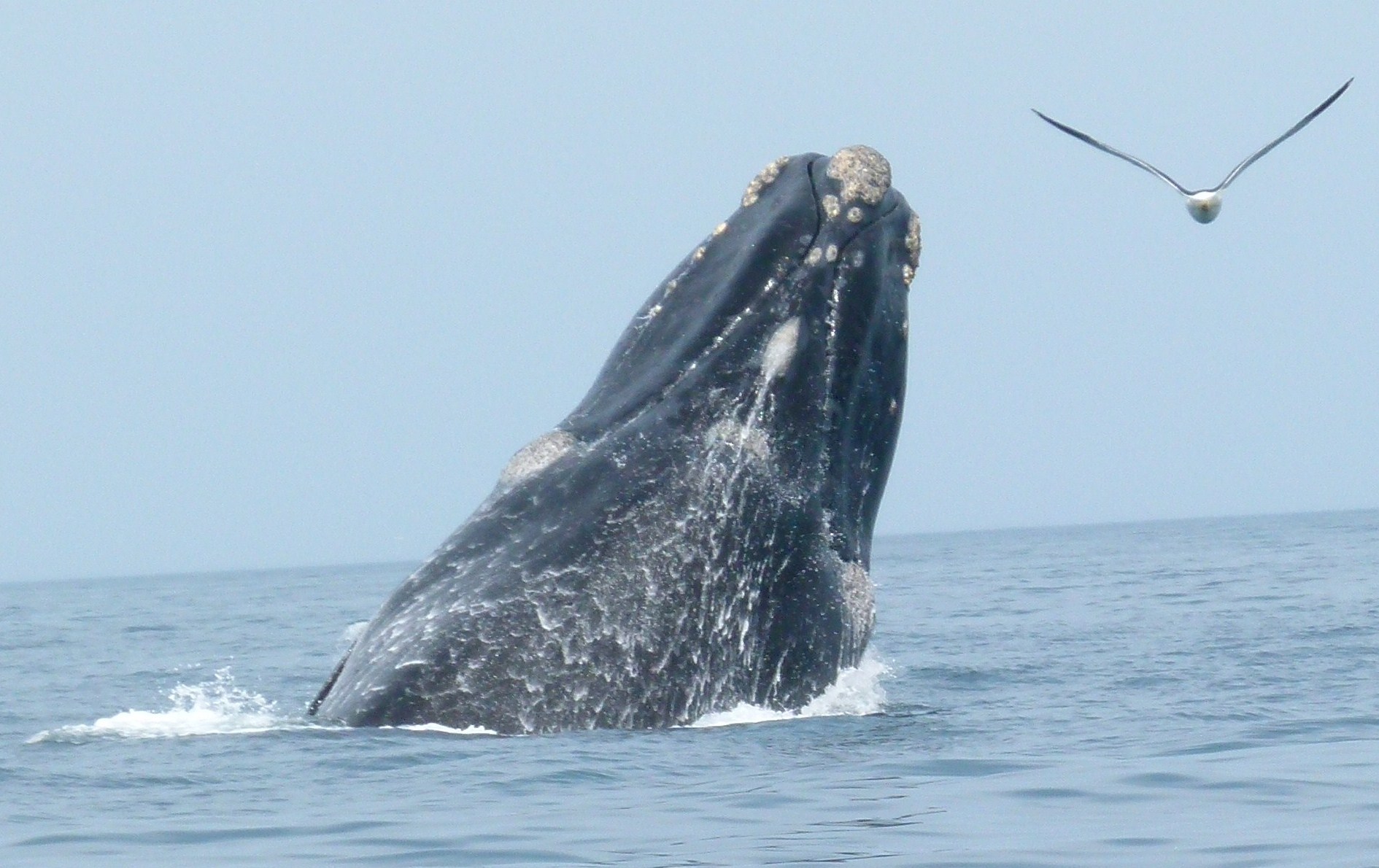
Once out on the water, it isn’t long before we catch sight of a southern right whale and its calf! I’m delighted there are quite a few whales within view! We have two pairs, two mother whales going along and calves following. Other times, mom rolls over on her back allowing calf to suckle.

Then the breaching begins, and cameras whir! What magnificent creatures!

Photo Monique Poesiat

They don’t move off because of us, and I’m thinking they are just accustomed to the boats, and know that the boats are not a threat.

Then a full breach! Lots of ooohs and ahhs!

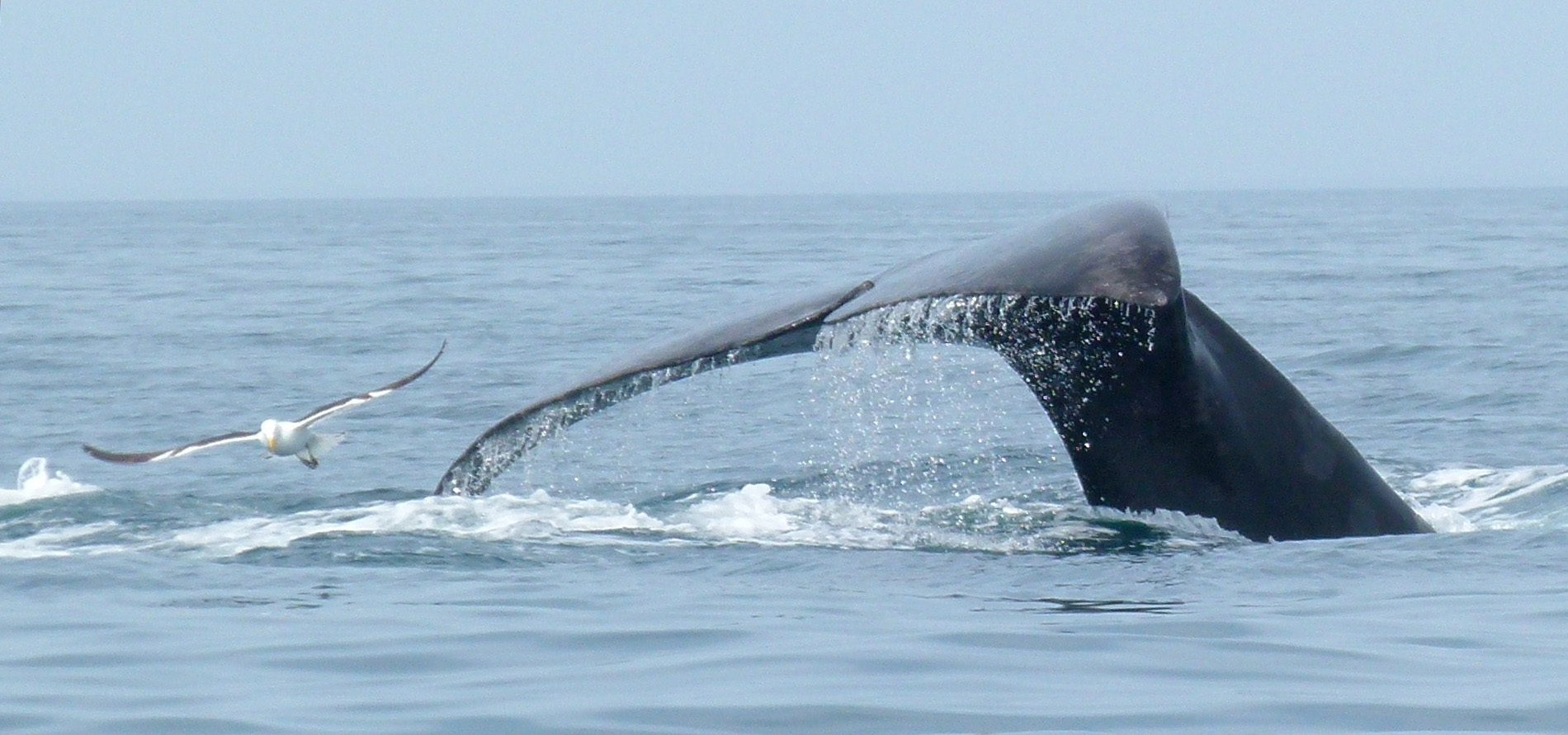
The mother whales engage in tail-slapping and fin-slapping. This behavior is thought to be some kind of communication.

Photo Monique Poesiat

The “show” did not disappoint! I think this goes on all day long. The cows and calves use the bay as a rearing area. It’s plenty big, and protected from the ocean.

See that the fins on the Southern Right whale are more squared off than on Humpbacks, which are very elongated!

About lunch time, we returned to Puerto Piramides. Saskia suggested we get lunch at one of the restaurants, because it’s going to be a long time before the next opportunity to eat. So we went ahead.

The menu had many options. Since I was already beginning to feel what would become the “Patagonia blahs,” meaning not having enough fresh fruit/veggies, I instinctively ordered a giant “Insalata Complete,” or complete mixed salad.

That was a good idea. Here is what some of the others got…those who ordered pizza had to wait a long time. And we were to discover those green olives they put on pizza in Argentina? Well, it’s what they do…

Then it was on to see elephant seals. We went to the north side of the peninsula. Out there, there are cliffs, affording these marine mammals protection from land predators.

He has quite the nose!

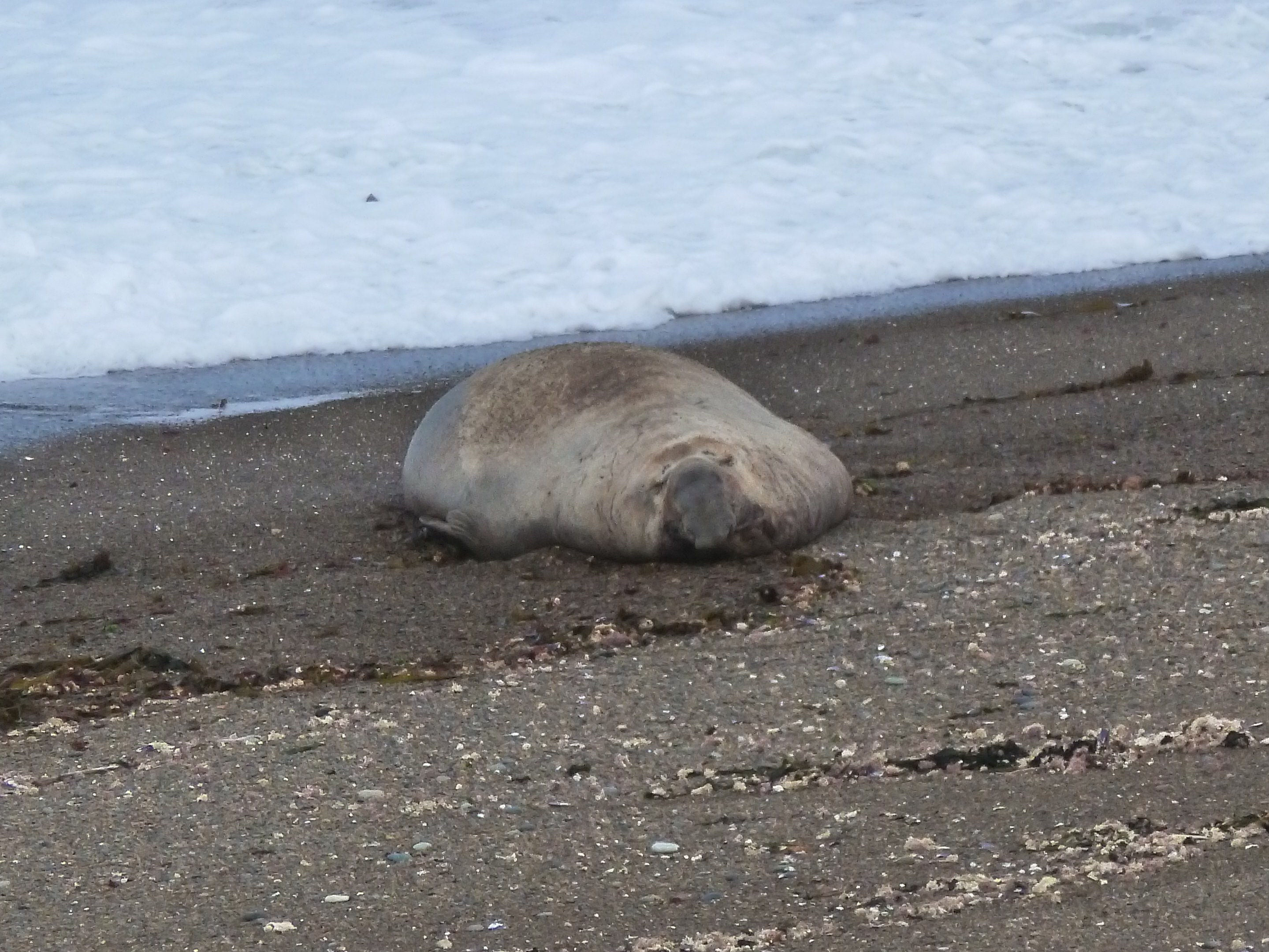
We make it to some southern elephant seal colonies. Elephant seals are the largest seals in the world. Bulls can weigh over 6,000 lbs. They can dive to 7,000 ft, though an average dive takes them to 2,000 ft. Like all the marine mammals, elephant seals have a seasonal routine. They spend months at sea. Then they come to land, to “haul out,” mate and rear their young. Male elephant seals get to the beach and establish a “harem” of females and defend it to the death. A bull absolutely will not allow another male into its harem. Other males, desperate, will push the boundaries, try to mate with females, and if the dominant male catches them, it’s a fight!

Elephant seals spend a lot of time lying around when on land. When they move, they look like loose-skinned inch worms. I can’t imagine the amount of blubber they carry!

They seem to spend a lot of time resting. We see both males and females, and their young.

A youngster in the "pool" behind the beach

So, the cows come ashore. They give birth. The young are left behind on their own to figure out swimming on their own. Some of the young use quiet backwaters behind the beach to learn to swim. But for all of them, they have to go to sea eventually, to forage the seasonal feeding with the other seals.
This is the world famous place where Orcas have learned to swim close to the beach to catch baby seals trying to learn to swim at sea!

The job of the bull seals is to make sure every female in his harem is pregnant before they go out to sea for seasonal feeding. The bulls stay on the beach waiting for every female to come in to heat so they can mate with them before all head to sea.

I was able to catch an bull defending against what was probably an upstart adolescent bull. Much smaller, at first I thought it was a female! (Click to see)


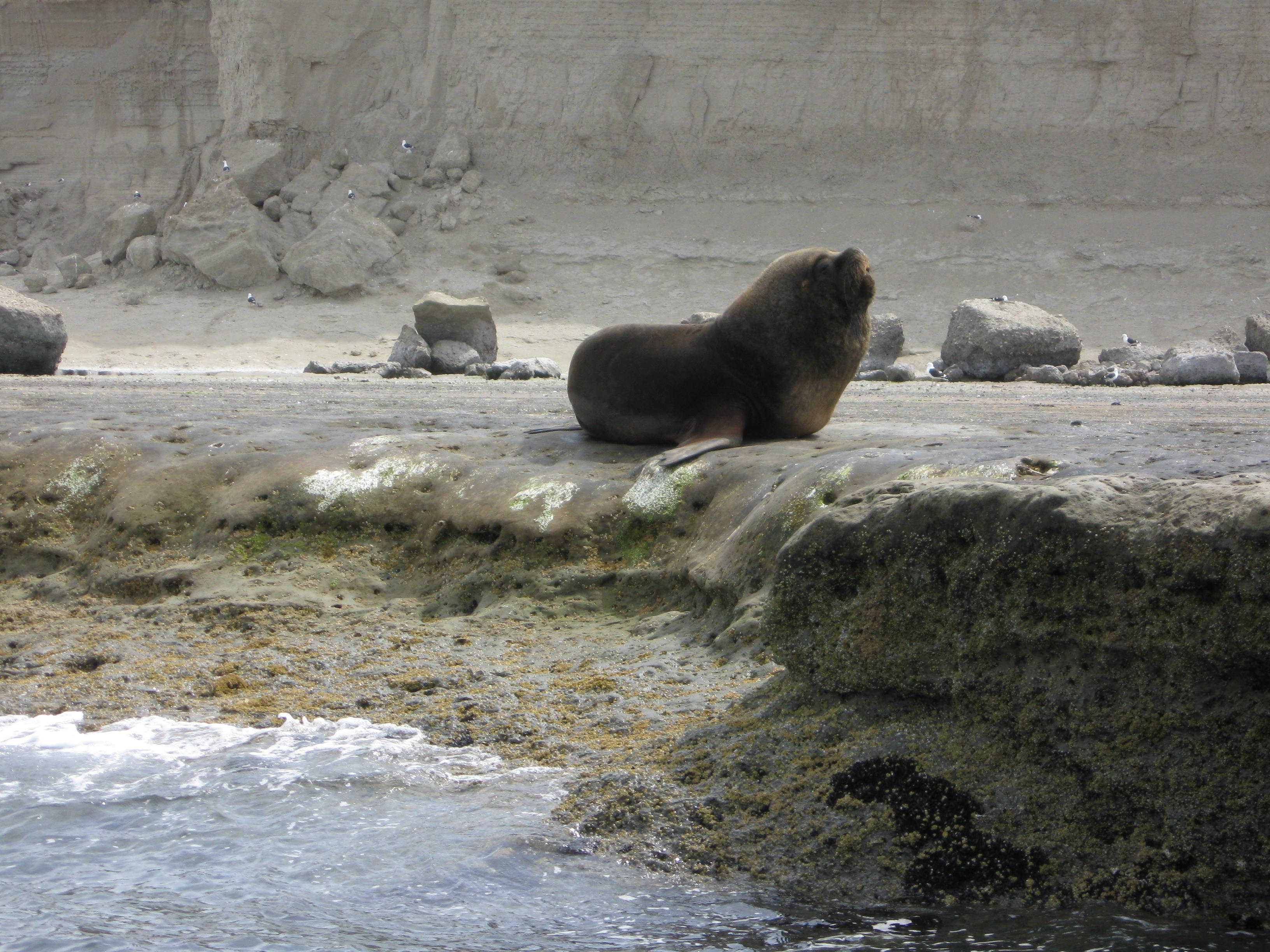
We also saw sea lions up close, here was this bull, who didn’t have a care in the world about us!

As we drove back to town, the show continued. All along the road, we saw numerous guanacos, and even this little hairy armadillo.

Then something totally unexpected!

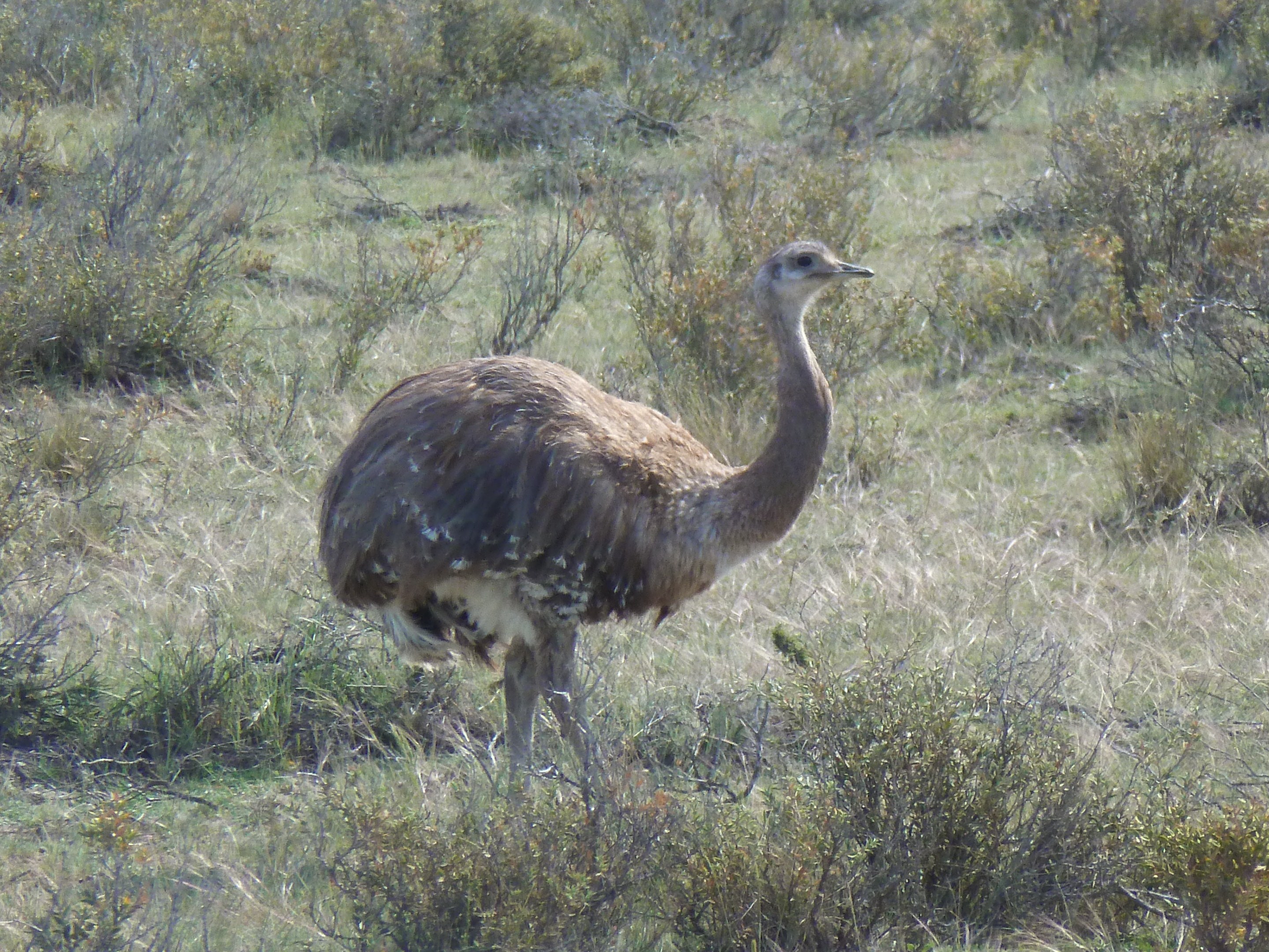
We catch a glimpse of something ostrich-like!

Well, we’re not in the Galapagos, but I guess we might as well be!

This bird is a Lesser Rhea, but it is also known as Darwin’s Rhea!

It was so completely unexpected, it totally made my day!

Lesser Rhea or Darwin's Rhea

These birds are native to this part of Patagonia and are also found as far away as Chile. They are not as big as Ostriches. It really made me think about how these similar birds like Emus can evolve in distant lands!

That evening we ventured out for a taste of an Argentine treat!

Argentinian’s are serious about ice cream! Called helado, it is not just a dessert. It is a ritual! The tradition likely has its roots in Italian immigrants. It’s wonderfully airy and smooth and comes in limitless varieties. Here is a video on the details:

All about ice cream in Argentina and Buenos Aires!

Tomorrow, it will be time to start our transcontinental journey. By the end of the day we will be in the Andes!


Adventure 2011 Argentina / Chile

28 11 2011

I am a decidedly hooked overseas traveler and could not wait to get my fix any longer! I’ve had some tough times these last couple of years, so I’d put off venturing, but nothing would stop me from exploring in 2011! I had over 100,000 frequent flier miles with United Airlines, which were set to expire. Last time I went overseas was in 2008 to Laos / Cambodia, and that was fantastic. I’m in love with SE Asia and the Himalayan region. I was tempted to return, but I’ve been there seven times – and I’ve never been to South America. So this time, I decided to head directly SOUTH. Time to save my soul and escape my world…to Argentina and Chile – to Patagonia!

Because  for me, getting outside my neighborhood, city, state – my country – seeing life from outside, from another perspective – only that refreshes my spirit!

Honestly, I didn’t have a lot of information, but I knew I’d like to experience the Andes, and probably Tierra del Fuego. Timing was important. In 2011, I worked as a sales consultant and guide/instructor at Alder Creek Kayak and Canoe, and their busy season is summer, winding down with the Lumpy Waters Symposium in October. I inquired with Suzi Elle, one of the owners, about taking vacation and her reply was “anytime after Lumpy!’ So with that in mind, I targeted late October/November for a start time!

It looked like this would be a good time for Argentina and Chile. But it would also be a good time in the Himalayas – prime time is right after monsoon season. Also in the southern hemisphere, I could head to South Africa, or New Zealand. But it seemed the right time for me to see the “other America.” It would be late spring down there. Without a lot of time for research, and wanting to see a lot, I wanted to do an organized trip, so I looked at two companies I’ve worked with, Djoser, out of Amsterdam, and Mountain Travel Sobek, based in San Francisco. I had gone to Thailand with Djoser in 2004 and had a great experience. In 2007 I did an unforgettable 110-mile Himalayan Trek in Bhutan with Sobek. Sobek had a 3-week hiking trip focused on Torres del Paine National Park. I looked into this and really was interested, but I couldn’t get frequent flier flights to match up. So, I looked at Djoser again, and began to realize their agenda might be more an experience I preferred. That is because their three week trip covers much more of Patagonia. They do time in the Fitz Roy Range, and Tierra del Fuego, and even have some days up in the Lakes District, as well as seeing marine life on Peninsula Valdes. It would be more “road time,” but one would get a better overview. Sobek’s trip would be much more in touch with the outback areas of Torres del Paine, away from the throngs of backpackers.

So I inquired at the Djoser USA office in Pennsylvania. They cautioned me that the trip I was looking at was an international group, so I might be the only American. I’d have to be OK with that. I was not worried one bit. Djoser’s groups mostly cater to Dutch, and some other Europeans too. I knew from my experiences with Dutch citizens that they are gregarious, considerate, polite and nearly everybody speaks English. I didn’t worry about any issues. I signed up, and went about calling the frequent flier desk at United. I tried. And tried. “No seats for those dates” was the response for several tries. I began to despair. But one customer service agent took me under her wing, telling me that, “Seats open up, so don’t get discouraged! Keep calling every day!” So I did.

And then it happened. One day I reeled off the same inquiry, dates, times, and the response was, “OK, we have seats on these flights…” I just about hit the ceiling! Hardly containing my delight that I got a FREE flight to South America on the dates matching my itinerary, I booked them on the spot!

I was going! I was going on a trip to Patagonia! We would be seeing penguins, southern right whales, elephant seals, carakaras, guanacos, condors, hike in Torres del Paine, watch tango dancers, bask in the view of the spires of Cerro Fitz Roy, walk on the Viedma Glacier, cruise the Lakes in the Lakes District near Bariloche, and reach the end of the world at Tierra del Fuego!

Here’s a great photo of my comrades on this trip! We were American, Dutch, Belgian and Turkish. A wonderful group…of varied ages and professions!

I was in! So what follows is a story of the trip to the highlights of Patagonia! Stay tuned!


Kayak Surfing in the Columbia Gorge – Plus Salmon Spawning

10 10 2011

I have been working at Alder Creek Kayak and Canoe during 2011, and the irony is that I’ve been teaching beginners so I have not had much time to play in rougher conditions! Even on the days I tried we got skunked – calm weather prevailed.

But this past Friday I was able to get out with Neil Schulman on the Columbia River Gorge for what we locals call a “wind run.” The Columbia Gorge often gets winds in excess of 18 mph, sometimes even upwards of 40 mph. On these days, wind waves form, turning the river into a continuous set of wind-driven waves.

These waves are different from those at the ocean beaches because they have no rising depths beneath them – they don’t have big breaking faces. These waves generally are continuous rollers. On Friday, the biggest reached three feet, so it was a great day to learn. I’d never done this before!

Once out in the midst of the river you turn your kayak downwind and start paddling. We went from Stevenson, WA to the Wind River – it’s only about 5 miles. It’s incredibly forgiving. If you don’t catch a wave, it just passes beneath. If you get tired and want to paddle lazily, you just let these rollers roll along underneath you. If you want to surf, you have to keep up a good pace and then when a wave comes you sprint to catch it! It is a lot like interval training. Sometimes, you can surf from one roller onto the next and catch it, then another and then another! Fun, but exhausting!

We caught our breath by paddling up the Wind River to see if we could see salmon spawning. Sure enough! We got up to some riffles and dozens of Chinook and Coho were spawning! Always a breathtaking sight!

Here is a short video of the Chinook action on the Wind River…